

Dealing with a Cracked Pool Filter Housing: Steps to Diagnose and Repair
A cracked pool filter housing can be a frustrating issue for any pool owner. Not only can it cause water leakage, but it can also reduce the efficiency of your pool’s filtration system. In this article, we will guide you through the steps to diagnose, repair, or replace a cracked pool filter housing, so you can get your pool back up and running as soon as possible.
Quick answer
Dealing with a Cracked Pool Filter Housing: Steps to Diagnose and Repair: A cracked pool filter housing can be a frustrating issue for any pool owner. Not only can it cause water leakage, but it can also reduce the efficiency of your pool’s filtration system. In this article, we will guide.
- Diagnose the Problem
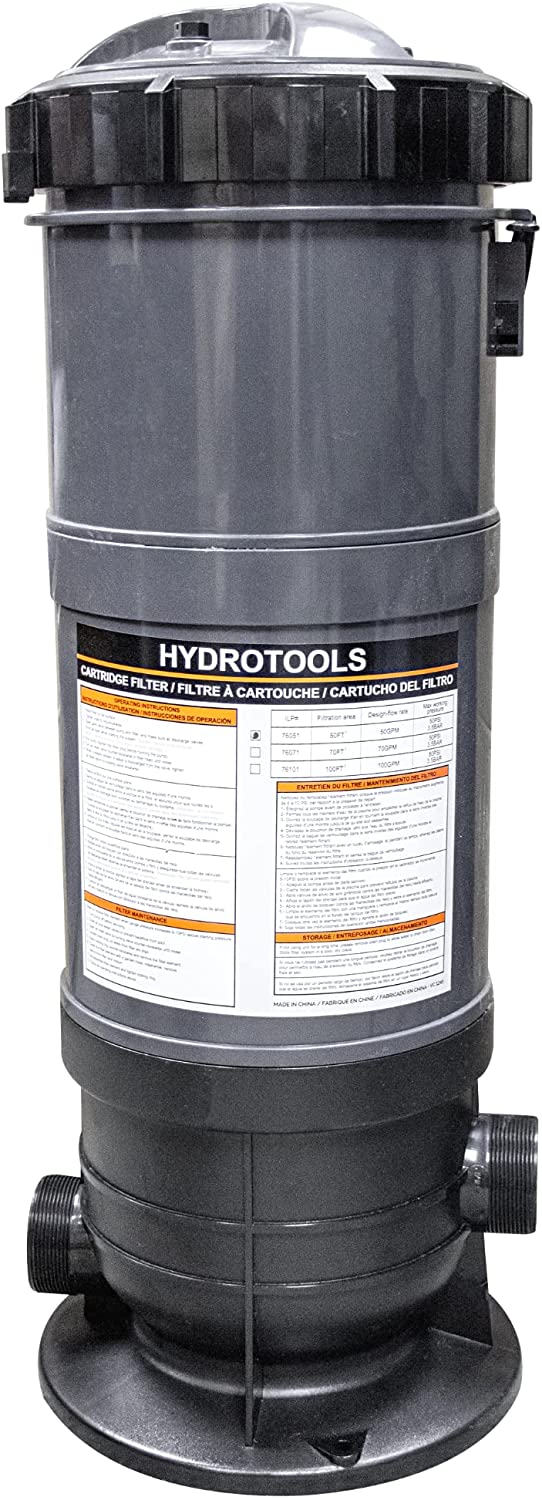
Before taking any action, it’s essential to confirm that the pool filter housing is indeed cracked. The signs of a cracked housing may include:
- Visible cracks or damage to the housing
- Unexplained water loss or leaks around the filter area
- Reduced water pressure and filtration efficiency
Make sure to turn off your pool pump and filter system before inspecting the housing to avoid any injuries or further damage.
- Assess the Severity of the Crack
Once you’ve identified the crack, assess its severity to determine the best course of action. Small, hairline cracks may be repairable with a sealant or epoxy, while larger cracks or extensive damage may require a complete replacement of the housing.
- Repairing a Minor Crack
If the crack is minor and doesn’t compromise the structural integrity of the housing, you may be able to repair it using a pool-specific sealant or epoxy. Follow these steps:
- Thoroughly clean the area around the crack, ensuring it’s free from dirt, algae, or debris.
- Apply the sealant or epoxy according to the manufacturer’s instructions, making sure to completely cover the crack.
- Allow the sealant or epoxy to cure for the recommended time before reassembling the filter and restarting the pool pump.
- Replacing the Filter Housing
If the crack is too severe for a simple repair, you’ll need to replace the entire filter housing. Here’s how:
- Turn off the pool pump and filter system, and disconnect any electrical connections.
- Consult your pool filter’s user manual to determine the correct replacement housing for your specific model.
- Remove the existing housing according to the manufacturer’s instructions, taking care to avoid damage to any connecting pipes or components.
- Install the new housing, ensuring a proper seal and alignment with the rest of the filter system.
- Reconnect any electrical connections, and restart the pool pump to check for any leaks or issues.
- Preventing Future Cracks
To prevent future cracks or damage to your pool filter housing, follow these tips:
- Maintain proper water chemistry, as unbalanced water can cause corrosion and damage to pool equipment.
- Regularly clean and backwash your filter to prevent excessive pressure build-up that can stress the housing.
- Inspect your pool equipment regularly for any signs of wear, damage, or leaks, and address issues promptly.
Conclusion:
Dealing with a cracked pool filter housing can be a challenging task, but with the right approach, you can quickly diagnose and resolve the issue. By regularly inspecting and maintaining your pool equipment, you can help prevent future problems and keep your pool in optimal condition all season long.
???? Recommended Products
Based on the topics covered in this article, here are our top product picks to help you maintain a healthy, sparkling pool:
- Dolphin Nautilus CC Plus Robotic Pool Cleaner (~$800) — Top-rated robotic cleaner with CleverClean technology — scrubs walls, waterline, and floor with zero effort from you.
- Pentair SuperFlo VS Variable Speed Pool Pump (~$850) — Energy Star certified variable speed pump — can save up to 80% on energy costs vs. single-speed pumps.
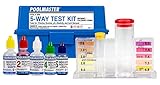
- Taylor K-2006 Complete Pool Water Test Kit (~$90) — The gold standard for pool water testing — measures chlorine, pH, alkalinity, calcium hardness, and CYA with laboratory-grade accuracy.
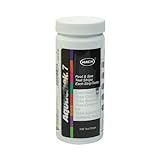
- AquaChek 7-Way Pool & Spa Test Strips (100 ct) (~$17) — Quick and easy 7-parameter testing for chlorine, bromine, pH, alkalinity, hardness, and CYA — perfect for routine checks.
- Pool Mate Algaecide 60 (1 qt) (~$15) — Non-foaming 60% polyquat algaecide — prevents and treats green, yellow, and black algae.
- In The Swim Calcium Hypochlorite Pool Shock (24 x 1 lb) (~$62) — Powerful cal-hypo shock treatment in convenient 1-lb bags — kills algae and bacteria on contact.
As an Amazon Associate, we earn from qualifying purchases. Prices are approximate and may vary.
As an Amazon Associate, Pool Chemical Calculator earns from qualifying purchases. Accurate readings make every chlorine, pH, alkalinity, calcium, and CYA dose safer. Fast daily checks between full liquid tests, especially during heavy swim season. Saves manual cleaning time and helps keep floors and walls cleaner between service visits.
Recommended pool supplies

Get exact pool chemical doses
Pool Chemical Calculator turns your test readings, pool volume, and target levels into exact treatment amounts for chlorine, pH, alkalinity, calcium, stabilizer, salt, and more.
Open the Pool Chemical Calculator app or download it from the App Store and Google Play.