
Pool Shock Treatment: The Complete Guide to Shocking Your Pool the Right Way
Calculate Your Exact Shock Dosage with Pool Chemical Calculator
Stop guessing with your pool chemistry! The Pool Chemical Calculator app tells you exactly how much shock to add based on your pool’s size and current chlorine readings.
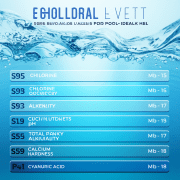
Chlorine, pH, Alkalinity, Calcium Hardness & more
Works for all pool types, chlorine, salt water, above ground
Free to download
Frequently Asked Questions About Pool Shock Treatment
How often should I shock my pool?
Shock your pool once per week during swimming season as a baseline. Increase to twice per week during heavy use periods or hot weather. Always shock after rainstorms, pool parties, or any time you notice cloudy water, algae, or a strong chlorine smell.
Can you over-shock a pool?
It’s very difficult to “over-shock” a pool in a harmful way, the chlorine will naturally dissipate. However, adding excessive shock wastes money and means a longer wait before swimming. The real risk is underdosing, which fails to reach breakpoint chlorination and doesn’t solve the problem.
How long after shocking can you swim?
Wait at least 8 hours after a standard pool shock treatment, then test your water. It’s safe to swim when free chlorine drops to 1–4 ppm. For non-chlorine shock (potassium monopersulfate), you can typically swim within 15 minutes.
What’s the difference between pool shock and regular chlorine?
Regular chlorine (tablets or daily liquid additions) maintains a low, steady sanitizer residual of 1–3 ppm. Pool shock treatment is a large, one-time dose that raises chlorine to 10+ ppm to break down chloramines, kill algae, and oxidize organic waste. Both are essential, daily chlorine for maintenance, weekly shock for deep cleaning.
Why is my pool still cloudy after shocking?
Several reasons: your pH may have been too high for the shock to work effectively, you may not have added enough to reach breakpoint chlorination, or your filter may need cleaning. Run the pump for a full 24 hours after shocking and ensure pH is between 7.2–7.4. If cloudiness persists, check your pool filter and consider adding a clarifier.