

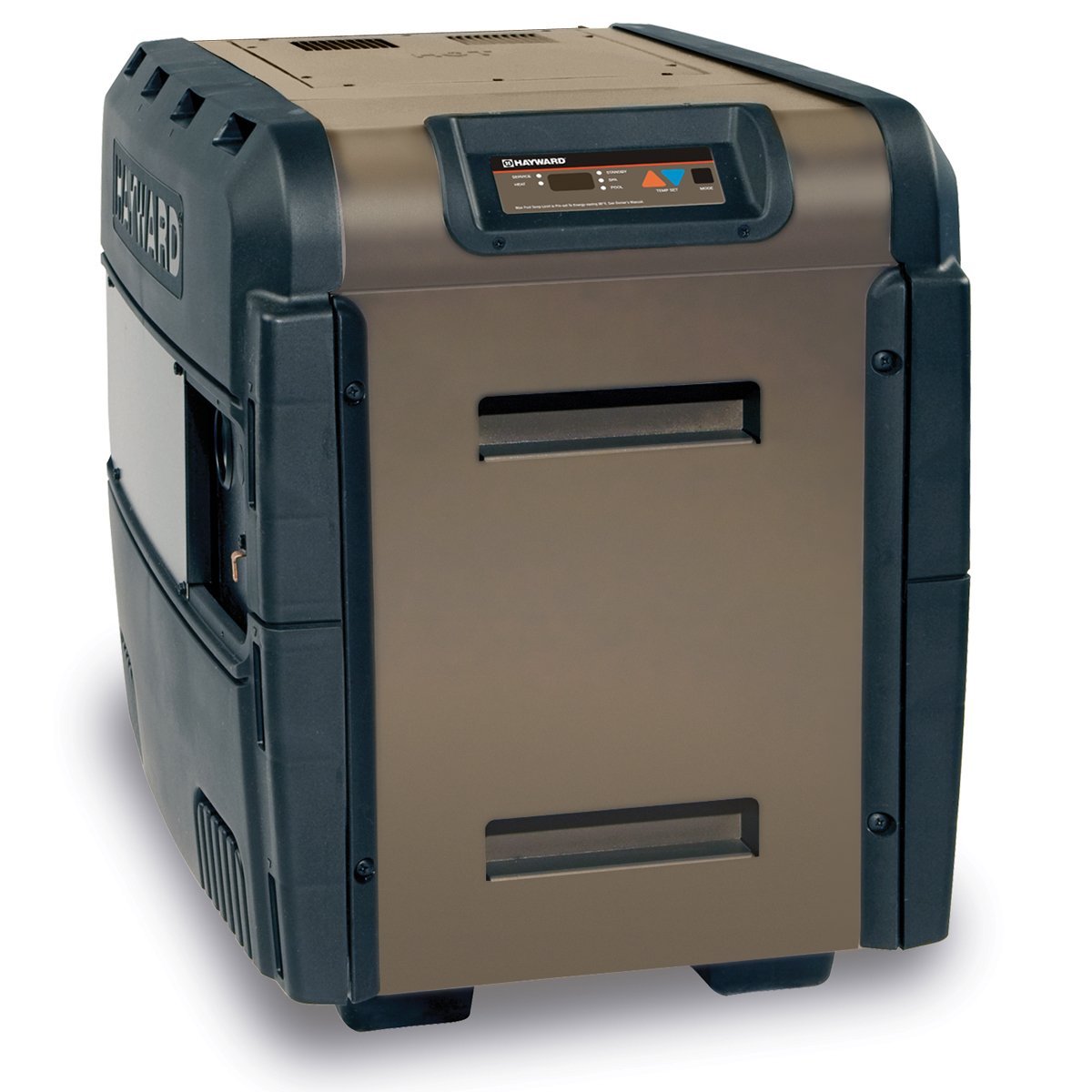
Warm Waters Await: Navigating the World of Pool Heaters
Dive into warm, welcoming waters even when the temperature drops. But with an array of pool heaters on the market, how does one pick the perfect match? Whether you’re aiming for an extended swimming season or simply seeking more comfortable waters, here’s a guide to making the best choice for your pool heating needs.
1. Gas Heaters:
Fueled by propane or natural gas, these heaters are popular for their rapid heating capacity.
- Pros:
- Quick heating, perfect for weekend use or sporadic swimming sessions.
- Suitable for larger pools.
- Cons:
- May have higher operational costs due to fluctuating gas prices.
- Requires a gas line, which might not be feasible for all setups.
2. Electric Resistance Heaters:
These heaters use electric currents to warm the water, offering an alternative for pools where gas isn’t an option.
- Pros:
- Doesn’t depend on outside temperatures.
- No emissions, making them eco-friendlier.
- Cons:
- High operational costs, as they consume a lot of electricity.
- Might need a hefty electrical setup.
3. Heat Pumps (Air-source and Water-source):
Extracting heat from the air or groundwater, these pumps are efficient but depend on the environment.
- Pros:
- Energy-efficient, leading to lower monthly costs.
- Long lifespan (can last up to 20 years with proper maintenance).
- Cons:
- Initial investment is high.
- Air-source pumps rely on air temperature, making them less effective in colder climates.
4. Solar Heaters:
Harnessing the power of the sun, solar heaters circulate pool water through solar collectors, warming it in the process.
- Pros:
- Extremely eco-friendly with minimal operational costs.
- Sustainable and reduces carbon footprint.
- Cons:
- Efficiency depends on sunlight exposure; not ideal for overcast regions.
- Requires large solar panels, which might not suit every property.
5. Pool Heat Covers:
Though not a heater in the traditional sense, these covers trap heat and reduce evaporation, acting as a complementary system.
- Pros:
- Cost-effective method to retain heat.
- Reduces evaporation, saving on water costs.
- Cons:
- Not a primary source of heat.
- Manual effort required to place and remove.
Conclusion:
Choosing the right pool heater can feel like navigating choppy waters, but with knowledge on your side, you can make an informed decision. Consider factors like your location, pool size, and budget. Remember, the perfect pool temperature is not just about comfort—it can extend your swimming season, increase property value, and offer endless warm memories. Dive in with confidence, knowing you’ve made the right choice!
???? Recommended Products
Based on the topics covered in this article, here are our top product picks to help you maintain a healthy, sparkling pool:
- Dolphin Nautilus CC Plus Robotic Pool Cleaner (~$800) — Top-rated robotic cleaner with CleverClean technology — scrubs walls, waterline, and floor with zero effort from you.
- Pentair SuperFlo VS Variable Speed Pool Pump (~$850) — Energy Star certified variable speed pump — can save up to 80% on energy costs vs. single-speed pumps.
- Hayward W3HP21404T HeatPro Heat Pump (~$3,200) — Energy-efficient heat pump warms your pool using ambient air — far cheaper to operate than gas heaters.
- Taylor K-2006 Complete Pool Water Test Kit (~$90) — The gold standard for pool water testing — measures chlorine, pH, alkalinity, calcium hardness, and CYA with laboratory-grade accuracy.
- Sun2Solar Blue Solar Cover (various sizes) (~$45) — 12-mil solar blanket reduces evaporation by up to 95% and raises water temperature by 10-15°F.
- SunHeater Pool Cover Reel (various sizes) (~$120) — Makes solar cover removal effortless — heavy-duty aluminum frame fits pools up to 24 feet wide.
As an Amazon Associate, we earn from qualifying purchases. Prices are approximate and may vary.
Related posts:
 Troubleshooting Gas Pool Heaters: Diagnosing and Repairing Common Issues
 Turning Up the Heat: Understanding Pool Heater BTU and Its Impact on Your Pool
 Solar Pool Cover: Bubbles Up or Down? The Ultimate Guide to Maximizing Pool Heating Efficiency
 Mastering Hayward Pool Pump Troubleshooting: A Comprehensive Guide