
Acid Washing Your Swimming Pool: A Comprehensive Guide
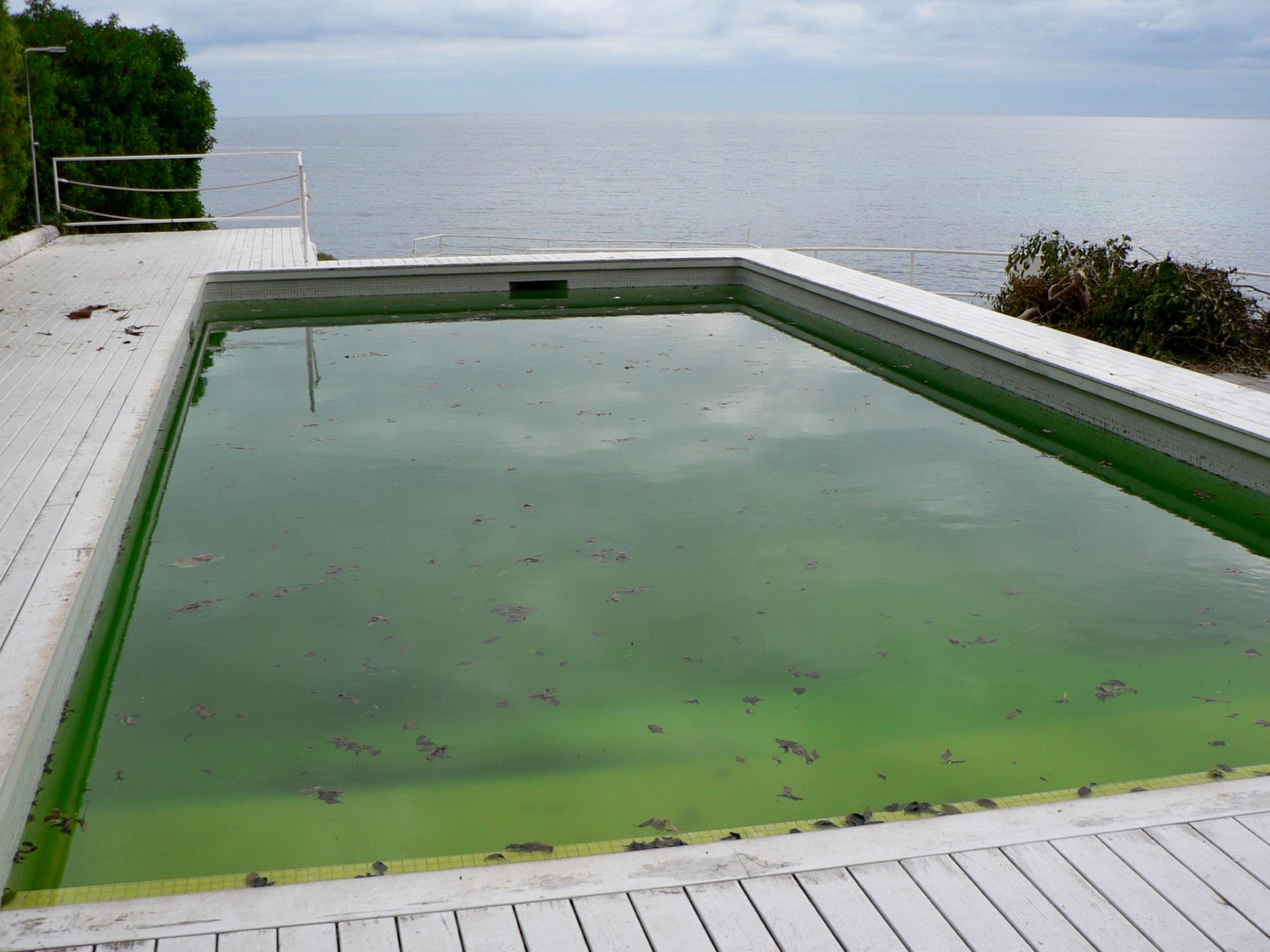
Over time, swimming pool surfaces can develop unsightly stains, mineral deposits, or algae growth that regular cleaning methods may not effectively remove. In such cases, acid washing can be a powerful solution to restore the appearance of pool surfaces and rejuvenate their beauty. In this blog post, we’ll delve into what acid washing a swimming pool entails, when it’s needed, and how to do it safely and effectively.
What is Acid Washing?
Acid washing is a process used to remove stubborn stains, mineral deposits, algae, or other contaminants from swimming pool surfaces. It involves applying a diluted acid solution to the pool’s walls, floors, or tile surfaces to dissolve and lift away buildup and discoloration. Acid washing can rejuvenate the appearance of pool surfaces and restore their original luster.
When is Acid Washing Needed?
Acid washing may be necessary under the following circumstances:
- Stubborn Stains: Despite regular cleaning efforts, certain stains or discoloration may persist on pool surfaces, including calcium deposits, rust stains, or organic stains.
- Algae Infestation: Severe algae infestations that have penetrated the surface of pool plaster or tile may require acid washing to effectively remove the algae and prevent regrowth.
- Mineral Deposits: Hard water or high calcium levels can lead to the buildup of mineral deposits on pool surfaces, resulting in scaling or scaling. Acid washing can help dissolve and remove these deposits.
- Preparation for Resurfacing: Before resurfacing or replastering a pool, acid washing may be necessary to clean and prepare the existing surface for the application of new materials.
How to Acid Wash a Swimming Pool:
- Preparation: Before beginning the acid washing process, drain the pool to the desired level below the stained or affected areas. Disconnect any pool equipment, such as pumps and filters, to prevent damage from the acid solution.
- Safety Precautions: Wear appropriate protective gear, including gloves, goggles, and a respirator mask, to protect against contact with acid fumes or splashes.
- Prepare Acid Solution: Dilute muriatic acid (hydrochloric acid) with water in a ratio of approximately one part acid to ten parts water. Add the acid to the water slowly and carefully to avoid splashing or generating heat.
- Apply Acid Solution: Using a sprayer or watering can, apply the diluted acid solution evenly to the stained or affected areas of the pool surface. Work in small sections to ensure thorough coverage.
- Scrubbing: After applying the acid solution, use a stiff-bristled brush or scrubbing pad to agitate the surface and loosen stubborn stains or deposits. Take care not to apply excessive pressure or scrub too vigorously, as this can damage the pool surface.
- Rinse Thoroughly: Once the stains have been loosened, rinse the pool surface thoroughly with water to remove the acid solution and any dissolved debris. Use a hose or pressure washer to ensure complete removal.
- Neutralize Acid: After rinsing, neutralize any remaining acid on the pool surface by applying a baking soda solution (approximately one pound of baking soda per gallon of water) and scrubbing gently. Rinse again to remove the neutralizing solution.
- Refill Pool: Once the acid washing process is complete and the pool surface has been thoroughly rinsed and neutralized, refill the pool with fresh water to the desired level.
- Balance Water Chemistry: Test the pool water and adjust chemical levels as needed to ensure proper water balance and safety for swimming.
Conclusion:
Acid washing is a powerful method for removing stubborn stains, mineral deposits, algae, and other contaminants from swimming pool surfaces. When performed correctly and with proper safety precautions, acid washing can rejuvenate the appearance of pool surfaces and restore their original beauty. Whether addressing persistent stains, preparing for resurfacing, or combating algae infestations, acid washing can be an effective solution for maintaining a clean and inviting swimming environment. If you’re unsure about how to acid wash your pool safely and effectively, consider consulting with a professional pool service technician for assistance.
???? Recommended Products
Based on the topics covered in this article, here are our top product picks to help you maintain a healthy, sparkling pool:
- Dolphin Nautilus CC Plus Robotic Pool Cleaner (~$800) — Top-rated robotic cleaner with CleverClean technology — scrubs walls, waterline, and floor with zero effort from you.
- Taylor K-2006 Complete Pool Water Test Kit (~$90) — The gold standard for pool water testing — measures chlorine, pH, alkalinity, calcium hardness, and CYA with laboratory-grade accuracy.
- Pentair SuperFlo VS Variable Speed Pool Pump (~$850) — Energy Star certified variable speed pump — can save up to 80% on energy costs vs. single-speed pumps.
- AquaChek 7-Way Pool & Spa Test Strips (100 ct) (~$17) — Quick and easy 7-parameter testing for chlorine, bromine, pH, alkalinity, hardness, and CYA — perfect for routine checks.
- Clorox Pool&Spa pH Down (5 lbs) (~$13) — Granular sodium bisulfate for safely lowering pool pH and alkalinity — easy to measure and apply.
- Arm & Hammer Baking Soda (15 lbs) (~$15) — Pure sodium bicarbonate — the most cost-effective way to raise total alkalinity in your pool.
As an Amazon Associate, we earn from qualifying purchases. Prices are approximate and may vary.
Related posts:
 Eliminating Pink Slime from Your Above Ground Swimming Pool
 The Saltron Mini Chlorine Generator: Revolutionizing Spa Sanitation and the Benefits of a Salt Water Spa
 SLAM – Shock Level and Maintain: A Comprehensive Guide to Pool Sanitation
 Can You Use a Magic Eraser in a Pool Skimmer? Uncovering the Facts