
Automatic Pool Cleaner Not Working? Here’s How to Fix It (Without Calling a Tech)
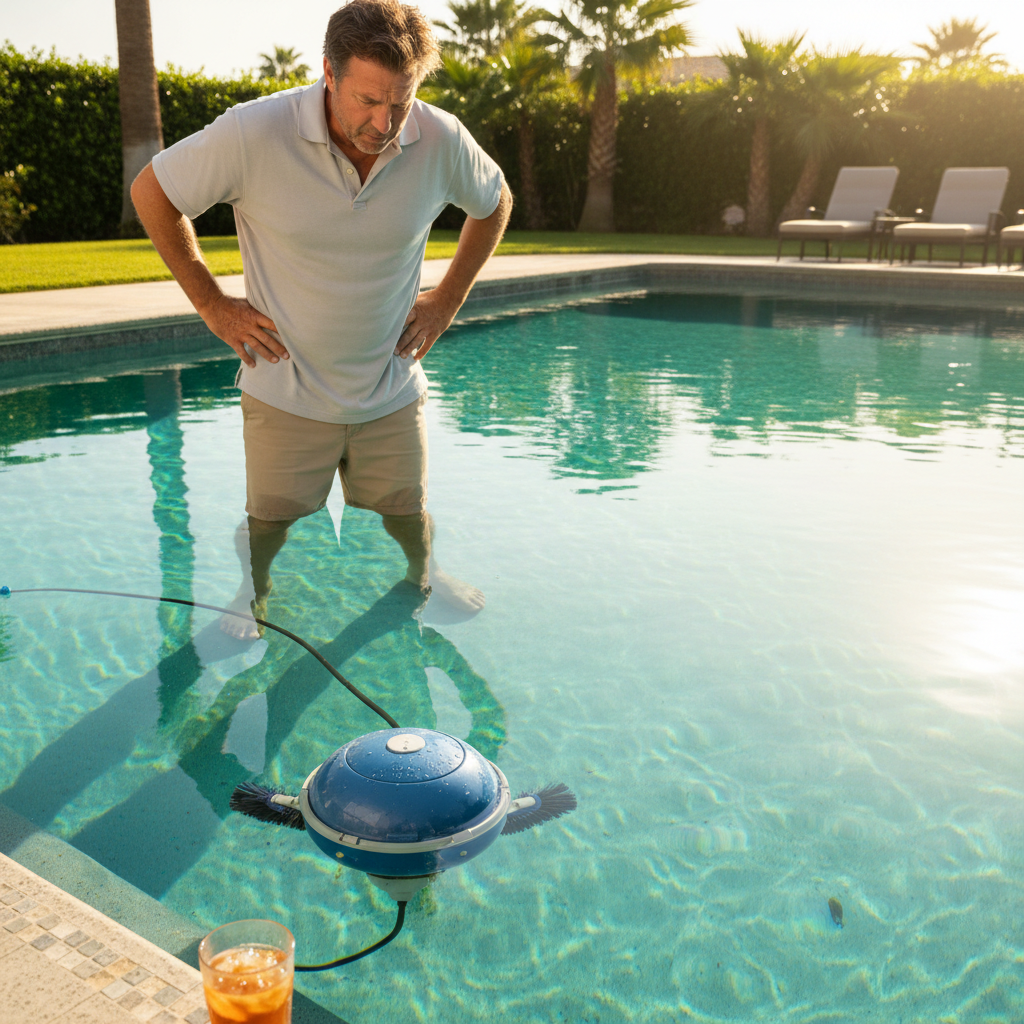
You walk out to your backyard, expecting to see a sparkling clean pool. Instead, your automatic pool cleaner is sitting motionless at the bottom like an expensive paperweight. Or worse, it’s spinning in circles, climbing the walls aimlessly, or making a grinding noise that sounds like a robot having a breakdown. When your automatic pool cleaner isn’t working properly, you’re stuck with two choices: figure it out yourself or pay $150+ for a service call.
Good news — most automatic pool cleaner problems are fixable in under 30 minutes with zero special tools. I’ve troubleshot hundreds of these issues, and about 80% come down to the same handful of culprits. Let’s get your cleaner moving again.
First: Identify Your Cleaner Type
Before troubleshooting, you need to know what you’re working with. Automatic pool cleaners fall into three categories, and each fails differently:
Suction-Side Cleaners
These connect to your skimmer or a dedicated suction line and use your pool pump’s suction to move around. Popular brands include Zodiac, Hayward Navigator, and Pentair Kreepy Krauly. They’re simple but depend entirely on your pump’s power.
Pressure-Side Cleaners
These use water pressure (either from your main pump or a separate booster pump) to propel themselves. Polaris and Zodiac Vac-Sweep are common examples. They have more moving parts than suction cleaners.
Robotic Cleaners
These are self-contained units with their own motors and filtration. Dolphin, Polaris robotic models, and Hayward AquaVac fall here. They’re the most sophisticated — and have the most potential failure points.
Suction-Side Cleaner Troubleshooting
Problem: Cleaner Won’t Move at All
Check your pump first. Your suction cleaner literally cannot function if your pump isn’t running or has weak suction. Stick your hand over the skimmer opening — you should feel strong, consistent pull. If suction feels weak, check your pump basket and skimmer basket for debris.
Inspect the hose for air leaks. Walk the entire length of the hose and check every connection point. Even a tiny crack lets air in, which kills suction. Submerge the hose sections underwater before connecting to bleed out air bubbles. Air trapped in the line is the #1 reason suction cleaners refuse to move.
Examine the diaphragm. In Kreepy Krauly-style cleaners, a rubber diaphragm creates the pulsing motion that drives the unit. These wear out after 2-3 seasons. A torn or stiff diaphragm means no movement. Replacement diaphragms cost around $15-25 and swap out in 5 minutes.
Problem: Cleaner Gets Stuck in Corners or on Steps
Your flow valve or regulator valve might be set wrong. Most suction cleaners have an adjustable valve that controls how much water flows through. Too much flow and the cleaner moves too fast, getting stuck on obstacles. Too little and it can’t climb walls.
Adjust the valve so your cleaner moves at roughly 6-8 feet per minute. Time it: the cleaner should cross a 10-foot section in about 90 seconds.
Problem: Cleaner Only Goes in Circles
Check for debris wrapped around the wheels or bearings. Hair, string, and rubber bands love to tangle around moving parts. Flip your cleaner over and inspect every rotating component.
Also check hose length. You need enough hose to reach the farthest point of your pool, plus one extra section. Too much hose creates drag. Too little limits coverage.
Pressure-Side Cleaner Troubleshooting
Problem: Cleaner Moves Slowly or Erratically
Check the inline filter screen. Pressure cleaners like the Polaris 280 have a small screen where the hose connects to the wall fitting. This screen catches debris before it reaches the cleaner’s internal mechanisms. A clogged screen restricts water flow dramatically.
Inspect the backup valve. This little device cycles every 3-4 minutes, causing the cleaner to briefly reverse. If it’s stuck or malfunctioning, your cleaner might spin endlessly in one area. Remove it, clean it, and test operation. Backup valves typically last 1-2 years before needing replacement.
Problem: Wheels Won’t Turn
Debris in the wheel bearings is usually the culprit. Pop the wheels off (most require just a screwdriver or snap off by hand) and clean out any sand, pebbles, or grit. While you’re there, check the drive belts. Worn belts slip and can’t transfer power to the wheels effectively.
Problem: Bag Won’t Fill or Cleaner Has No Suction
The sweep hose or venturi jets might be clogged. Use a thin wire or pipe cleaner to clear each jet opening. And check that your booster pump (if equipped) is actually running — these pumps have their own timers that sometimes get misconfigured.
Robotic Cleaner Troubleshooting
Problem: Cleaner Won’t Power On
Check the power supply first. The transformer that plugs into your outlet can fail independently of the cleaner itself. Look for indicator lights on the power supply. No lights? Try a different outlet to rule out a tripped GFCI breaker.
Inspect the floating cable. The cable running from the power supply to the cleaner takes serious abuse — sun exposure, chlorine, being stepped on. Look for cracks, kinks, or damaged insulation. A compromised cable can cause intermittent power loss or complete failure.
Problem: Cleaner Climbs Walls but Falls Off
The scrubbing brushes might be worn down. These brushes provide grip on vertical surfaces. When they wear flat, the cleaner loses traction and falls. Most robotic cleaners need new brushes every 12-18 months with regular use.
Also check the drive tracks or wheels. The Dolphin Nautilus CC Plus and similar models use rubber tracks that can stretch or crack over time. Loose tracks spin without gripping the pool surface.
Problem: Cleaner Keeps Getting Tangled in Its Own Cable
This usually means the cleaner’s navigation programming isn’t covering your pool efficiently. Try this: remove the cleaner, straighten out all the cable, then let it float in the sun for 2-3 hours. Cables develop “memory” from being stored coiled up. The sun softens them and helps eliminate kinks.
Some models also have a swivel in the cable. Make sure it rotates freely — a stuck swivel causes tangles within minutes.
The Filter Factor (All Cleaner Types)
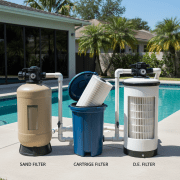
Here’s something most people overlook: your pool’s main filter affects cleaner performance significantly. A dirty cartridge filter, a DE filter that needs backwashing, or a sand filter with channeling all reduce water flow throughout your system.
If you’re running a cartridge filter, clean it every 2-4 weeks during swim season. A filter pressure gauge reading 8-10 PSI above its “clean” baseline means it’s time to clean. Replacement cartridges for common filters are affordable insurance against flow problems.
When to Call a Professional
Some problems genuinely require expert help:
- Motor replacement: Robotic cleaner motors cost $200-400 and require disassembly that voids warranties if done incorrectly
- Circuit board failure: If your robotic cleaner powers on but behaves erratically despite all troubleshooting, the control board might be fried
- Pump motor issues: If weak suction affects your whole system (not just the cleaner), you’re dealing with pump problems beyond cleaner repair
Maintenance That Prevents Future Breakdowns
A little preventive care goes a long way:
1. Rinse your cleaner with fresh water after every 3-4 uses
2. Store robotic cleaners out of direct sunlight
3. Remove and empty filter bags/canisters after each cleaning cycle
4. Lubricate o-rings twice per season with silicone lubricant
5. Straighten and uncoil hoses when not in use
FAQ
Why does my automatic pool cleaner keep stopping in the middle of a cycle?
For robotic cleaners, the most common cause is a full filter canister — the unit stops when it can’t pull water through debris. For suction cleaners, check that your pump basket isn’t clogged and the pump is maintaining consistent pressure throughout its run cycle.
How long should an automatic pool cleaner last?
Quality suction and pressure-side cleaners last 5-8 years with proper maintenance. Robotic cleaners typically run 3-5 years, though motors and cables often fail before the unit itself. Budget for replacement parts every 18-24 months.
Can I run my automatic pool cleaner every day?
You can, but daily use accelerates wear on moving parts. Most pools stay clean with 3-4 cleaning cycles per week during swim season. Running less frequently extends the life of brushes, belts, and bearings.
Why does my pool cleaner only clean one section of my pool?
This usually indicates a hose length problem (suction/pressure cleaners) or a navigation issue (robotic cleaners). Verify your hose reaches the farthest pool point with one extra section. For robotic units, check that the cable can fully unwind and the swivel rotates freely.
Should I leave my automatic pool cleaner in the pool all the time?
Don’t do it. Constant chemical exposure degrades plastic and rubber components faster. And if a storm rolls in, floating debris can damage the cleaner. Remove it after each cycle and store it in a shaded area.
Got your cleaner working again? Now make sure your water chemistry is dialed in so all that hard work isn’t fighting an uphill battle. Head over to Pool Calculator to get exact dosing for your pool’s size and current conditions. Balanced water means less stress on your equipment — and cleaner results from your cleaner.
Download the Pool Chemical Calculator app: App Store | Google Play
{“@context”:”https://schema.org”,”@type”:”HowTo”,”name”:”How to Fix an Automatic Pool Cleaner That’s Not Working”,”description”:”Step-by-step guide to troubleshoot and repair common automatic pool cleaner problems for suction, pressure, and robotic models.”,”totalTime”:”PT30M”,”estimatedCost”:{“@type”:”MonetaryAmount”,”currency”:”USD”,”value”:”0-50″},”step”:[{“@type”:”HowToStep”,”name”:”Identify your cleaner type”,”text”:”Determine whether you have a suction-side, pressure-side, or robotic cleaner. Each type has different troubleshooting steps.”},{“@type”:”HowToStep”,”name”:”Check power and suction”,”text”:”For suction cleaners, verify pump is running with strong suction at the skimmer. For robotic cleaners, check power supply indicator lights and try a different outlet.”},{“@type”:”HowToStep”,”name”:”Inspect hoses and cables for damage”,”text”:”Look for cracks, kinks, or air leaks in hoses. Submerge hose sections to bleed air before connecting. Check robotic cables for damage or kinks.”},{“@type”:”HowToStep”,”name”:”Clean filter screens and bags”,”text”:”Remove and clean inline filter screens on pressure cleaners. Empty filter canisters on robotic cleaners. Check skimmer and pump baskets.”},{“@type”:”HowToStep”,”name”:”Inspect moving parts”,”text”:”Check wheels, bearings, diaphragms, and drive belts for wear or debris. Remove tangled hair or string. Replace worn components as needed.”}]}
{“@context”:”https://schema.org”,”@type”:”FAQPage”,”mainEntity”:[{“@type”:”Question”,”name”:”Why does my automatic pool cleaner keep stopping in the middle of a cycle?”,”acceptedAnswer”:{“@type”:”Answer”,”text”:”For robotic cleaners, the most common cause is a full filter canister — the unit stops when it can’t pull water through debris. For suction cleaners, check that your pump basket isn’t clogged and the pump is maintaining consistent pressure throughout its run cycle.”}},{“@type”:”Question”,”name”:”How long should an automatic pool cleaner last?”,”acceptedAnswer”:{“@type”:”Answer”,”text”:”Quality suction and pressure-side cleaners last 5-8 years with proper maintenance. Robotic cleaners typically run 3-5 years, though motors and cables often fail before the unit itself. Budget for replacement parts every 18-24 months.”}},{“@type”:”Question”,”name”:”Can I run my automatic pool cleaner every day?”,”acceptedAnswer”:{“@type”:”Answer”,”text”:”You can, but daily use accelerates wear on moving parts. Most pools stay clean with 3-4 cleaning cycles per week during swim season. Running less frequently extends the life of brushes, belts, and bearings.”}},{“@type”:”Question”,”name”:”Why does my pool cleaner only clean one section of my pool?”,”acceptedAnswer”:{“@type”:”Answer”,”text”:”This usually indicates a hose length problem (suction/pressure cleaners) or a navigation issue (robotic cleaners). Verify your hose reaches the farthest pool point with one extra section. For robotic units, check that the cable can fully unwind and the swivel rotates freely.”}},{“@type”:”Question”,”name”:”Should I leave my automatic pool cleaner in the pool all the time?”,”acceptedAnswer”:{“@type”:”Answer”,”text”:”Don’t do it. Constant chemical exposure degrades plastic and rubber components faster. And if a storm rolls in, floating debris can damage the cleaner. Remove it after each cycle and store it in a shaded area.”}}]}