Chlorine Alternatives for Swimming Pools: Are They Really Worth It?

As swimming pool owners seek innovative solutions to maintain clean and clear water throughout the swimming season, the market is flooded with various chlorine alternatives. From saltwater generators to non-chlorine systems such as ozone generators and UV light systems, these options claim to provide a better experience. But are these alternatives really worth the investment, or do they end up causing more problems than they solve?

Saltwater Generators
Saltwater generators have gained popularity as a seemingly eco-friendly and low-maintenance alternative to traditional chlorine systems. While they do produce chlorine from salt, the levels are generally lower than in a traditional chlorine pool. However, they come with their own set of challenges.

One significant issue is the replacement cost of the salt cell. Over time, wear and tear can lead to salt cell malfunction, requiring replacement. Depending on the warranty, replacing a salt cell can be more expensive than the initial cost of the entire system. Additionally, if the system breaks down and needs replacement, you must resort to chlorine shock treatment to restore the water to optimal levels.

Ozone Generators and UV Light Systems
Ozone generators and UV light systems are non-chlorine alternatives that promise clean and clear pool water without relying on traditional chlorine sanitizers. However, these systems have their limitations.

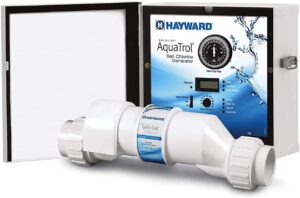
Hayward Chlorine Generator

When turned off or malfunctioning, ozone and UV generators do not leave any residual disinfectant in the water. This lack of residual protection can lead to more severe outbreaks of algae and other contaminants if the water is not carefully monitored. In some cases, these outbreaks can include mustard algae, black algae, and even harmful pink slime, all of which are resistant to many disinfectants.

Eliminating these contaminants can be a challenging and time-consuming process. It may require daily chlorine shocking for over a week to clear the outbreak, and even then, pink slime can reappear within weeks if it wasn’t entirely eradicated from areas such as ladders, corners, and filters.

Weighing the Costs and Benefits

When considering an alternative to a chlorine-based swimming pool, it’s essential to evaluate the potential consequences and costs associated with the alternative system. While these options may seem appealing, they can present their own set of challenges, often requiring the use of chlorine shock treatment to remedy issues that arise.

In some cases, the expense and effort needed to maintain and repair alternative systems can outweigh the perceived benefits. As a result, using traditional chlorine sanitizers may still prove to be a more cost-effective and reliable way to keep your swimming pool clean and clear throughout the swimming season.

Chlorine vs. Hydrogen Peroxide: Why Chlorine Reigns Supreme as a Swimming Pool Sanitizer

Maintaining clean and hygienic swimming pools is crucial for the health and safety of swimmers. Among the many sanitizers available, chlorine and hydrogen peroxide are two popular choices. This article will delve into the reasons why chlorine is considered a better sanitizer for swimming pools compared to hydrogen peroxide.

Powerful Oxidizing and Sanitizing Capabilities
Chlorine is a highly effective oxidizer, destroying organic matter such as bacteria, algae, and other contaminants by breaking down their cell walls. This powerful oxidizing action also helps to remove swimmer waste, such as body oils, sweat, and urine. Hydrogen peroxide, though an oxidizer as well, is less effective in maintaining the water quality and requires a higher concentration to match the sanitizing capabilities of chlorine.

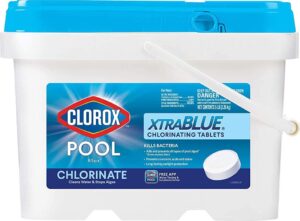
Chlorine Tablets

Stability and Persistence
Chlorine’s stability and persistence in pool water make it an ideal sanitizer. It maintains its sanitizing properties for a longer period, ensuring consistent water quality. Hydrogen peroxide, on the other hand, breaks down quickly in the presence of sunlight and loses its sanitizing power. This means that pool owners must add hydrogen peroxide more frequently, making it less convenient and cost-effective.

Easier Measurement and Control
Chlorine levels in swimming pools can be easily measured and controlled using commercially available test kits and automatic systems. This allows pool owners to ensure that the water is consistently safe and sanitized. Hydrogen peroxide levels are more challenging to measure and maintain, as there are fewer commercially available testing options and no widely accepted standard levels for pool sanitation.


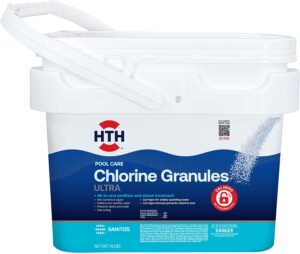
Chlorine Tablets

Proven Effectiveness Against a Wide Range of Microorganisms
Chlorine has a long history of use in swimming pool sanitation and has proven effective against a wide range of harmful microorganisms, including bacteria, viruses, and protozoa. Hydrogen peroxide has not been as extensively studied for pool sanitation, and its effectiveness against certain microorganisms, such as Cryptosporidium, is still uncertain.

Algae Control
Algae growth is a common problem in swimming pools, and chlorine is highly effective at inhibiting and killing algae. It achieves this by disrupting the algae’s cellular processes, preventing growth and reproduction. Hydrogen peroxide, though it can kill algae at high concentrations, is less effective in controlling algae growth in pools, often requiring the use of additional algaecides.

Compatibility with Other Pool Chemicals
Chlorine is compatible with most other pool chemicals, such as pH adjusters, clarifiers, and algaecides, simplifying the pool maintenance process. Hydrogen peroxide, however, can react with certain chemicals, producing undesirable byproducts and reducing its effectiveness as a sanitizer.

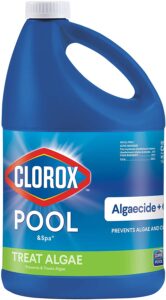
Algaecide

While hydrogen peroxide is a viable option for some swimming pool applications, its limitations in terms of effectiveness, stability, measurement, and compatibility make chlorine the preferred choice for most pool owners. Chlorine’s powerful sanitizing and oxidizing capabilities, combined with its proven track record and ease of use, make it the superior choice for maintaining clean, safe, and enjoyable swimming pools.


Recommended Products

As an Amazon Associate, we earn from qualifying purchases.