
Dancing with the Chlorine Duo: Understanding and Managing Combined Chlorine
If you’re a pool owner, chances are you’re familiar with the term “chlorine.” It’s our trusty ally in keeping pools sparkling clean and free from harmful bacteria. However, did you know that not all chlorine in your pool is doing the heavy lifting? Enter: Combined Chlorine. It’s essential, sneaky, and sometimes a little problematic. Let’s dive deep into what combined chlorine is and how to tackle it when its levels rise.
1. What is Combined Chlorine?
At its core, chlorine’s job is to sanitize – to neutralize organic material like bacteria, algae, sweat, and urine. Once chlorine has done its job, it combines with these contaminants, forming what is known as “chloramines” or “combined chlorine”. Unlike free chlorine, which is fresh and active, combined chlorine is “used up” chlorine. It’s the reason behind that strong chlorine smell many people associate with pools. Contrary to popular belief, a strong chlorine smell doesn’t mean there’s too much chlorine; it’s an indication of too much combined chlorine or chloramines.
2. Why is High Combined Chlorine a Problem?
- Irritation: Combined chlorine can cause skin, eye, and respiratory irritations.
- Ineffectiveness: It’s less effective as a sanitizer compared to free chlorine.
- Odor: As mentioned earlier, it gives off that unpleasant “chlorine” smell.
3. How Do You Measure Combined Chlorine?
To determine combined chlorine levels, you’ll first need to measure both your total chlorine and your free chlorine. Subtracting your free chlorine level from your total chlorine level gives you your combined chlorine.
For example: If your total chlorine is 3 ppm (parts per million) and your free chlorine is 1 ppm, your combined chlorine is 2 ppm.
4. Managing High Combined Chlorine:
If your combined chlorine level exceeds 0.5 ppm, it’s time to take action.
Shocking or Superchlorination: This process involves adding a large amount of chlorine (usually 10 times the combined chlorine level) to the pool to break down the unwanted chloramines. Remember to test your pool’s pH before shocking and adjust if necessary.
Non-chlorine Shock: For those who want to avoid adding more chlorine, a non-chlorine shock (based on potassium peroxymonosulfate) can oxidize the contaminants without increasing chlorine levels.
5. Prevention is Better than Cure:
The best way to handle combined chlorine is to prevent its levels from rising in the first place.
- Regular Testing: Keep an eye on your combined chlorine levels.
- Maintain Proper pH: A balanced pH (between 7.4 to 7.6) helps chlorine work more effectively.
- Shower Before Swimming: Encourage swimmers to shower, reducing the organic material introduced into the pool.
Conclusion:
While chlorine is a fantastic tool in our pool maintenance toolkit, it’s essential to understand and manage all its forms. By keeping an eye on combined chlorine and understanding how to address it, you ensure a healthier, happier swimming environment. Dive in, and don’t let chloramines rain on your pool parade!
???? Recommended Products
Based on the topics covered in this article, here are our top product picks to help you maintain a healthy, sparkling pool:
- Dolphin Nautilus CC Plus Robotic Pool Cleaner (~$800) — Top-rated robotic cleaner with CleverClean technology — scrubs walls, waterline, and floor with zero effort from you.
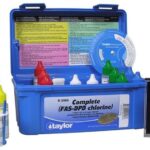
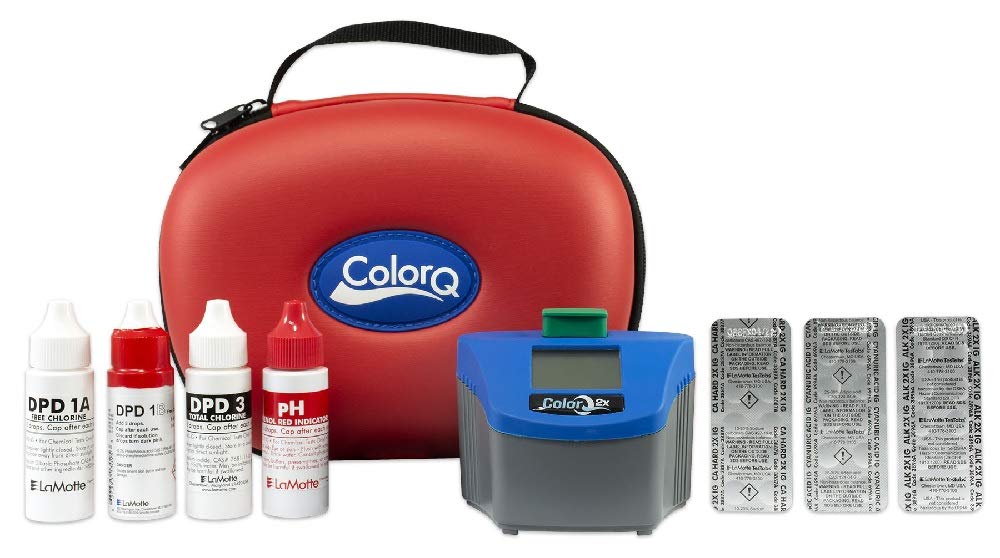
- Taylor K-2006 Complete Pool Water Test Kit (~$90) — The gold standard for pool water testing — measures chlorine, pH, alkalinity, calcium hardness, and CYA with laboratory-grade accuracy.
- AquaChek 7-Way Pool & Spa Test Strips (100 ct) (~$17) — Quick and easy 7-parameter testing for chlorine, bromine, pH, alkalinity, hardness, and CYA — perfect for routine checks.
- In The Swim 3-Inch Chlorine Tablets (25 lbs) (~$70) — Slow-dissolving stabilized chlorine tablets for consistent sanitization — fits most floating dispensers and chlorinators.
- In The Swim Calcium Hypochlorite Pool Shock (24 x 1 lb) (~$62) — Powerful cal-hypo shock treatment in convenient 1-lb bags — kills algae and bacteria on contact.
- Clorox Pool&Spa pH Down (5 lbs) (~$13) — Granular sodium bisulfate for safely lowering pool pH and alkalinity — easy to measure and apply.
As an Amazon Associate, we earn from qualifying purchases. Prices are approximate and may vary.