
Flocking Your Pool with a Sand Filter: A Step-by-Step Guide
Flocking is a popular method for clarifying pool water by removing fine particles and debris that may not be captured by the filtration system alone. While flocking is commonly associated with cartridge or DE (diatomaceous earth) filters, it’s also possible to flock a pool using a sand filter. In this blog post, we’ll provide a step-by-step guide on how to flock your pool with a sand filter, helping you achieve crystal-clear water for a pristine swimming experience.
What is Flocking?
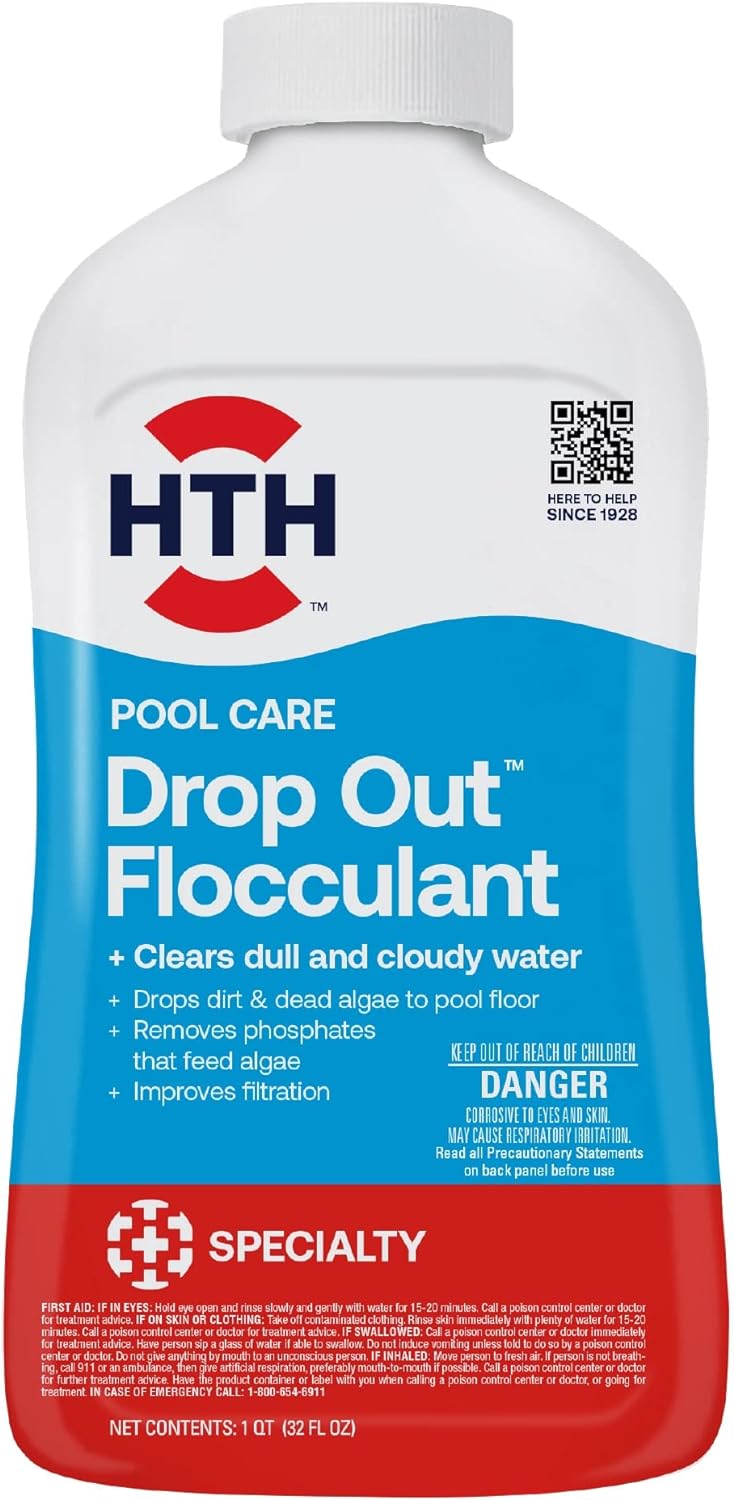
Flocking is a process that involves adding a flocculant chemical to the pool water to bind together fine particles, forming larger clumps that can be easily removed by the filtration system. This helps improve water clarity by effectively removing suspended debris, algae, and other contaminants.
Step-by-Step Guide to Flocking Your Pool with a Sand Filter:
- Test and Balance Pool Water: Before flocking your pool, test the water chemistry using a reliable pool water test kit. Ensure that pH and alkalinity levels are within the recommended range (pH 7.2-7.6, alkalinity 80-120 ppm) for optimal flocking results.
- Backwash the Sand Filter: Start by backwashing your sand filter to ensure optimal filtration efficiency. Follow the manufacturer’s instructions for your specific filter model to perform a thorough backwashing cycle.
- Prepare the Floc Solution: Dissolve the flocculant chemical (such as aluminum sulfate or potassium alum) in a bucket of water according to the manufacturer’s instructions. Stir the solution well to ensure complete dissolution.
- Apply the Floc Solution: With the pool pump running, slowly pour the floc solution into the pool water, distributing it evenly across the surface. Avoid pouring the solution directly into the skimmer, as this may interfere with filtration.
- Run the Filter Overnight: Allow the sand filter to run continuously overnight to circulate the floc solution throughout the pool water. This will help facilitate the flocculation process and encourage the formation of larger particle clumps.
- Shut Off the Pump: After allowing the filter to run overnight, shut off the pump to allow the floc particles to settle to the bottom of the pool. This may take several hours, depending on the severity of the water cloudiness.
- Vacuum the Pool: Once the floc particles have settled to the bottom of the pool, use a pool vacuum to carefully and slowly vacuum the pool floor, being careful not to disturb the settled particles. Use a manual vacuum or a vacuum head attached to a telescopic pole for best results.
- Backwash the Filter Again: After vacuuming, backwash the sand filter once again to remove any remaining debris and floc particles from the filter media. Follow the manufacturer’s instructions for the backwashing procedure.
- Monitor Water Clarity: After flocking and vacuuming, monitor the water clarity over the next few days to ensure that the pool remains clear and free of suspended particles. If necessary, repeat the flocking process or adjust filtration settings to maintain optimal water quality.
Conclusion:
Flocking your pool with a sand filter is a straightforward process that can help improve water clarity and remove fine particles and debris. By following the steps outlined in this guide and using the appropriate flocculant chemical, you can achieve crystal-clear water for a pristine swimming experience. Remember to test and balance your pool water regularly and consult with a pool professional if you have any questions or concerns about the flocking process.
???? Recommended Products
Based on the topics covered in this article, here are our top product picks to help you maintain a healthy, sparkling pool:
- Dolphin Nautilus CC Plus Robotic Pool Cleaner (~$800) — Top-rated robotic cleaner with CleverClean technology — scrubs walls, waterline, and floor with zero effort from you.
- Taylor K-2006 Complete Pool Water Test Kit (~$90) — The gold standard for pool water testing — measures chlorine, pH, alkalinity, calcium hardness, and CYA with laboratory-grade accuracy.
- Pentair SuperFlo VS Variable Speed Pool Pump (~$850) — Energy Star certified variable speed pump — can save up to 80% on energy costs vs. single-speed pumps.
- AquaChek 7-Way Pool & Spa Test Strips (100 ct) (~$17) — Quick and easy 7-parameter testing for chlorine, bromine, pH, alkalinity, hardness, and CYA — perfect for routine checks.
- Clorox Pool&Spa pH Down (5 lbs) (~$13) — Granular sodium bisulfate for safely lowering pool pH and alkalinity — easy to measure and apply.
- Arm & Hammer Baking Soda (15 lbs) (~$15) — Pure sodium bicarbonate — the most cost-effective way to raise total alkalinity in your pool.
As an Amazon Associate, we earn from qualifying purchases. Prices are approximate and may vary.
Related posts:
 Understanding Pool Chemistry: How Long to Wait Between Adding Chemicals to Your Pool
 Essential Safety Rules for Swimming After Adding Pool Chemicals
 Comparing Pool Sanitation Options: Pros and Cons of Saltwater, Chlorine, UV, Ozone and Other Alternatives
 The Importance of Pool Chlorine Stabilization: Ensuring Effective Water Sanitization