
The Ultimate Pool Maintenance Guide: Keep Your Pool Crystal Clear Year-Round
Pool maintenance doesn’t have to be overwhelming. Whether you’re a first-time pool owner or someone who’s been managing their own backyard oasis for years, having a reliable routine is the difference between crystal-clear water and a swampy mess. This guide covers everything you need to know about pool maintenance — from the essential daily tasks to seasonal deep-cleans that keep your pool safe and inviting all year long.
Why Pool Maintenance Matters More Than You Think
Neglecting pool maintenance isn’t just an aesthetic problem — it’s a health and financial one. Unbalanced water chemistry breeds bacteria and algae, which can cause skin irritation, ear infections, and worse. On the financial side, poor maintenance leads to corroded equipment, stained surfaces, and repairs that cost thousands of dollars.
A consistent pool maintenance routine protects your investment and ensures your pool is always swim-ready. The good news? It only takes about 15–30 minutes a few times per week once you have a system in place.
The Essential Pool Maintenance Checklist
Every pool owner needs a structured approach. Here’s a breakdown by frequency:
Daily Pool Maintenance Tasks
- Skim the surface — Remove leaves, bugs, and debris with a leaf skimmer
- Check the water level — Should be at the midpoint of your skimmer opening
- Run your pump — Most pools need 8–12 hours of circulation daily
- Visual inspection — Look for anything unusual: discoloration, equipment leaks, or debris buildup
Weekly Pool Maintenance Tasks
- Test water chemistry — Check pH (7.2–7.6), chlorine (1–3 ppm), and alkalinity (80–120 ppm)
- Brush walls and tile — Prevents algae from gaining a foothold
- Vacuum the pool floor — Manual or automatic, get the settled debris out
- Clean the skimmer basket — A clogged basket reduces circulation dramatically
- Add chemicals as needed — Adjust based on your test results
Monthly Pool Maintenance Tasks
- Test calcium hardness — Keep it between 200–400 ppm
- Inspect pool equipment — Check pump, filter, heater, and chlorinator for wear
- Clean or backwash your filter — Whether sand, cartridge, or DE
- Check cyanuric acid (stabilizer) — Outdoor pools need 30–50 ppm to protect chlorine from UV
- Shock the pool — A monthly super-chlorination kills what daily chlorine misses
Understanding Pool Water Chemistry
Water chemistry is the backbone of pool maintenance. Here are the key parameters every pool owner must monitor:
| Parameter | Ideal Range | Why It Matters |
|---|---|---|
| pH | 7.2 – 7.6 | Comfort, chlorine effectiveness, equipment protection |
| Free Chlorine | 1 – 3 ppm | Kills bacteria and algae |
| Total Alkalinity | 80 – 120 ppm | Buffers pH, prevents wild swings |
| Calcium Hardness | 200 – 400 ppm | Prevents plaster damage and scaling |
| Cyanuric Acid | 30 – 50 ppm | Protects chlorine from sunlight |
When one parameter drifts out of range, it affects everything else. For example, low pH makes chlorine overly aggressive (burning eyes), while high pH renders chlorine nearly useless. That’s why testing your water regularly is the single most important habit you can build.
How to Maintain Your Pool: Step-by-Step
Here’s a practical step-by-step routine for weekly pool maintenance that any pool owner can follow:
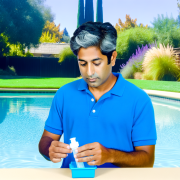
Step 1: Test Your Water
Use test strips or a liquid test kit to measure pH, chlorine, and alkalinity. For the most accurate readings, take your sample from elbow-deep water, away from return jets.
Step 2: Balance pH First
If pH is below 7.2, add soda ash (sodium carbonate). If above 7.6, add muriatic acid or sodium bisulfate. Always adjust pH before adding other chemicals.
Step 3: Adjust Alkalinity
Low alkalinity? Add baking soda (sodium bicarbonate). High alkalinity? Muriatic acid brings it down. Alkalinity acts as a pH buffer, so getting this right makes everything else easier.
Step 4: Add Chlorine
Based on your test results, add the appropriate amount of chlorine to reach 1–3 ppm. Liquid chlorine, tablets, or granular — all work. The key is calculating the right dose for your pool size.
Step 5: Brush and Vacuum
Brush the walls, steps, and waterline tile. Then vacuum the floor. This physical cleaning removes biofilm that chemicals alone can’t eliminate.
Step 6: Clean Your Filter
Rinse cartridge filters, backwash sand or DE filters. A clean filter means better circulation, which means better chemical distribution.
Step 7: Run the Pump
Let the pump run for at least 8 hours to circulate the freshly treated water throughout the entire pool.
Seasonal Pool Maintenance Tips
Spring Opening
- Remove the cover and clean it before storing
- Refill to proper water level
- Reconnect and inspect all equipment
- Shock the pool heavily — winter water needs a reset
- Run the pump 24 hours, then test and balance
Summer Peak Season
- Test water 2–3 times per week (heavy use + sun = rapid chlorine loss)
- Shock weekly during heavy swim periods
- Monitor cyanuric acid — it builds up over the season
- Keep an eye on water level (evaporation accelerates in heat)
Fall Wind-Down
- Reduce chemical additions as temperatures drop
- Clear leaves frequently — decomposing organic matter tanks your chlorine
- Begin lowering water level if you plan to winterize
Winter Closing
- Balance all chemistry one final time
- Add winterizing chemicals (algaecide + enzyme treatment)
- Lower water level below skimmer
- Blow out plumbing lines
- Cover the pool securely
Common Pool Maintenance Mistakes to Avoid
- Adding chemicals without testing first — You’re guessing, and guessing costs money
- Not running the pump long enough — Poor circulation = dead spots where algae thrives
- Ignoring stabilizer levels — Without cyanuric acid, sunlight destroys your chlorine in hours
- Shocking during the day — UV light breaks down shock before it works. Always shock at dusk
- Neglecting the filter — A dirty filter makes every other maintenance task harder
???? Calculate It Instantly with Pool Chemical Calculator
Stop guessing with your pool chemistry! The Pool Chemical Calculator app tells you exactly how much of each chemical to add based on your pool’s size and current readings.
✅ Chlorine, pH, Alkalinity, Calcium Hardness & more
✅ Works for all pool types — chlorine, salt water, above ground
✅ Free to download
Download for Android →
Download for iPhone/iPad →
Use Online →
Frequently Asked Questions
How often should I do pool maintenance?
Basic maintenance like skimming and checking water levels should be done daily. Water testing and chemical adjustments are best done 2–3 times per week during swim season. Deep cleaning tasks like filter maintenance and equipment inspections are monthly.
What is the most important part of pool maintenance?
Water chemistry testing and balancing is the foundation of all pool maintenance. Without proper chemical balance, no amount of physical cleaning will keep your pool safe or clear. Test regularly and adjust as needed.
How much does pool maintenance cost per month?
DIY pool maintenance typically costs $50–$100/month in chemicals and supplies. Professional pool service runs $150–$300/month depending on your area and pool size. Using a pool chemical calculator helps you buy only what you need and avoid waste.
Can I maintain my pool myself?
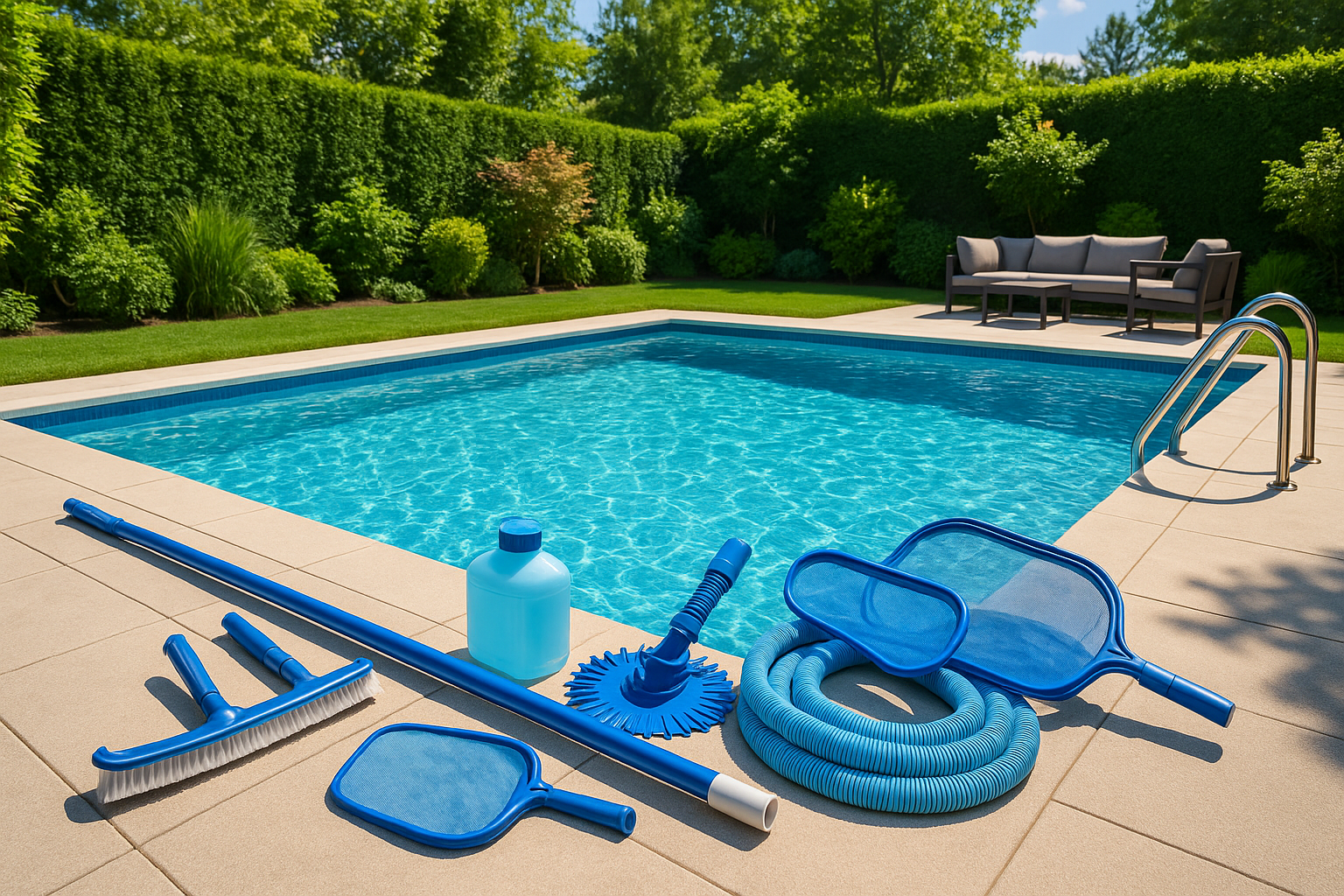
Absolutely. Most pool owners successfully maintain their own pools with basic knowledge and the right tools. A good test kit, a few essential chemicals, a brush, skimmer, and vacuum are all you need. Apps like the Pool Chemical Calculator make dosing simple.
What happens if you don’t maintain your pool?
Neglected pools develop algae growth, cloudy water, bacteria buildup, and equipment damage. Green water can appear in as little as 48 hours in warm weather without proper chlorine levels. Long-term neglect leads to costly repairs — stained plaster, corroded pipes, and burned-out pumps.