
Mastering the pH of Your Swimming Pool
Having a swimming pool in your backyard is undeniably one of the most satisfying feelings, especially during a hot summer day. But like all good things, a pool comes with responsibilities. One of the critical aspects of pool maintenance is managing the pool’s pH level. Let’s embark on a journey to understand the pool’s pH and the chemicals essential for its equilibrium.
1. What is pH, and Why Should You Care?
In simplest terms, pH measures how acidic or basic water is on a scale from 0-14. A pH of 7 is neutral. Anything below 7 is acidic, while anything above is basic or alkaline. For swimming pools, the ideal pH range is between 7.2 and 7.8.
A balanced pH is crucial because:
- It ensures that chlorine and other sanitizers work effectively.
- It prevents skin and eye irritation for swimmers.
- It protects your pool equipment from potential damage.
2. The Yin and Yang of Pool Chemicals:
a) To Raise pH (pH is too low or acidic):
- Soda Ash (Sodium Carbonate): This is the most common chemical to raise pH. It’s quick, efficient, and relatively easy to apply.
- Baking Soda (Sodium Bicarbonate): While primarily used to raise alkalinity, it can also increase pH, albeit slowly.
b) To Lower pH (pH is too high or alkaline):
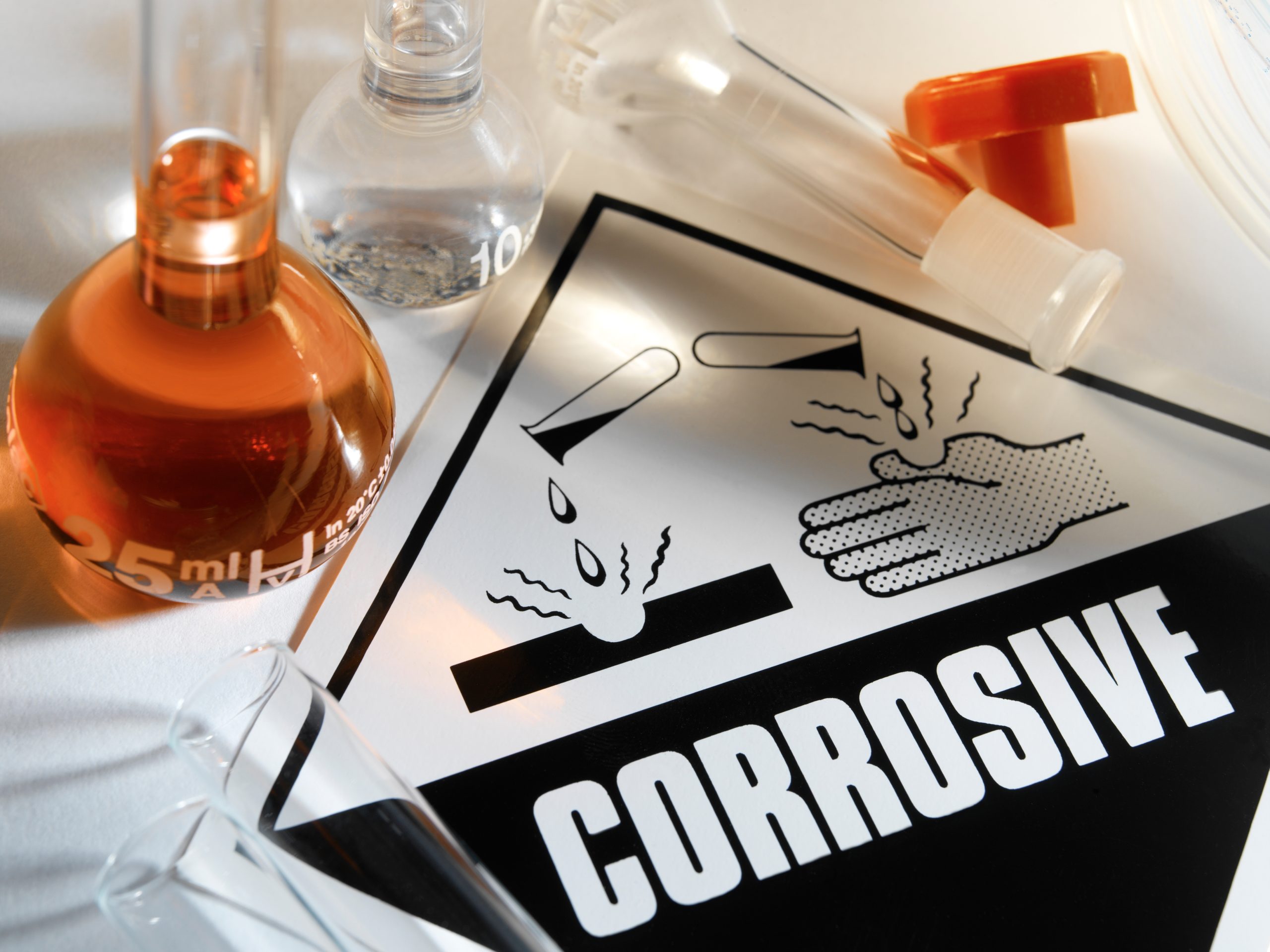
- Muriatic Acid (Hydrochloric Acid): Highly effective and acts quickly. However, it’s caustic, so handle with care and always read the label.
- Dry Acid (Sodium Bisulfate): It’s a granular form and a safer alternative to muriatic acid. It’s easier to store and handle.
3. Factors Affecting Pool pH:
Several factors can sway your pool’s pH:
- Rain and Tap Water: Depending on your region, both might be acidic or alkaline, affecting your pool’s balance.
- Swimmers: Oils, sweat, lotions, and other contaminants from swimmers can alter pH levels.
- Chemicals: Algaecides, chlorine, and other pool additives can influence pH.
4. Testing and Adjusting Regularly:
Regular testing is the key to maintaining balanced water. Using test kits or test strips, check pH levels at least once a week, more if the pool is used heavily.
When adjusting pH:
- Test first and determine how much of a chemical you need.
- Add chemicals in small amounts, retest, and then add more if necessary.
- Always follow the manufacturer’s instructions when adding chemicals.
Conclusion:
Understanding and managing your pool’s pH is an art as much as it is a science. By staying vigilant, testing regularly, and using the right chemicals, you can ensure that your pool remains a safe and pleasant oasis for everyone. Dive in with confidence, knowing you’ve mastered the balancing act!
???? Recommended Products
Based on the topics covered in this article, here are our top product picks to help you maintain a healthy, sparkling pool:
- Dolphin Nautilus CC Plus Robotic Pool Cleaner (~$800) — Top-rated robotic cleaner with CleverClean technology — scrubs walls, waterline, and floor with zero effort from you.
- Taylor K-2006 Complete Pool Water Test Kit (~$90) — The gold standard for pool water testing — measures chlorine, pH, alkalinity, calcium hardness, and CYA with laboratory-grade accuracy.
- AquaChek 7-Way Pool & Spa Test Strips (100 ct) (~$17) — Quick and easy 7-parameter testing for chlorine, bromine, pH, alkalinity, hardness, and CYA — perfect for routine checks.
- In The Swim 3-Inch Chlorine Tablets (25 lbs) (~$70) — Slow-dissolving stabilized chlorine tablets for consistent sanitization — fits most floating dispensers and chlorinators.
- Clorox Pool&Spa pH Down (5 lbs) (~$13) — Granular sodium bisulfate for safely lowering pool pH and alkalinity — easy to measure and apply.
- Arm & Hammer Baking Soda (15 lbs) (~$15) — Pure sodium bicarbonate — the most cost-effective way to raise total alkalinity in your pool.
As an Amazon Associate, we earn from qualifying purchases. Prices are approximate and may vary.
Related posts:
 Cyanuric Acid: A First-Time Above Ground Pool Owner’s Guide
 Reasons Why Your Pool Has No Chlorine: An In-Depth Look
 Mastering Pool Alkalinity: How to Test, Raise, and Lower Levels for Optimal Swimming Conditions
 The Complete Guide to Saltwater Pool Maintenance: Tips for Crystal-Clear Water All Season Long