

Blog

Clearing the Green: A Homeowner’s Guide to a Sparkling Swimming Pool

A green swimming pool is every homeowner’s nightmare. Not only is it unappealing to look at, but it can also pose health risks due to algae growth and unbalanced chemicals. Fear not! With the right tools, some patience, and a systematic approach, you can clear your green pool and enjoy crystal-clear water once more. In this article, we will guide you through the steps to achieve a sparkling swimming pool.

1. Assess the Situation

First, inspect the overall condition of the pool. Check for debris, dirt, and algae, as well as the water’s color and cloudiness. This will help you determine the severity of the problem and the necessary steps to clear the pool.

2. Remove Debris

Use a pool skimmer or leaf rake to remove any floating debris such as leaves, twigs, and insects. This will not only improve the pool’s appearance but also prevent clogging in the filtration system.

3. Test and Balance the Water Chemistry

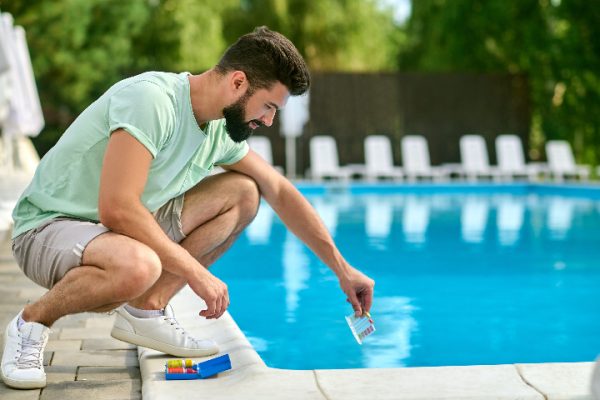
Before treating the pool, test the water using a pool test kit or test strips. Pay close attention to the chlorine, pH, and alkalinity levels. Balancing these levels is essential for preventing algae growth and maintaining clear water.
Chlorine: A minimum of 2-4 ppm (parts per million) is recommended to effectively sanitize the pool.  pH: Maintain a pH level of 7.4-7.6 to optimize chlorine efficiency and prevent scaling or corrosion.
Alkalinity: Aim for an alkalinity level of 80-120 ppm to stabilize the pH level.

4. Shock the Pool

“Shocking” the pool involves adding a large dose of chlorine (or non-chlorine shock) to eliminate algae, bacteria, and other contaminants. For a green pool, use a high-strength shock treatment, typically a calcium hypochlorite product, and follow the manufacturer’s instructions for dosage. Ensure proper circulation by running the pool pump. Apply the shock treatment in the evening or on a cloudy day to prevent sunlight from degrading the chlorine. Brush the pool surfaces to help distribute the shock treatment and loosen algae.

5. Use Algaecide

If algae are present, add an algaecide to kill and prevent future growth. Follow the manufacturer’s instructions for dosage, and ensure the pool pump is running for proper distribution.

6. Run the Filter

After shocking and treating the pool with algaecide, run the filter continuously for 24-48 hours. This will help remove dead algae and other contaminants from the water.

7. Clean the Filter

Check and clean the filter regularly during the clearing process. A dirty or clogged filter will reduce the efficiency of the circulation system, hindering your pool’s recovery.

8. Vacuum the Pool

Once the water begins to clear, vacuum the pool to remove dead algae and other debris that have settled on the bottom. Use a manual pool vacuum or an automatic pool cleaner, ensuring thorough coverage of the pool floor.


9. Re-test and Balance the Water

After the pool has cleared, re-test the water chemistry and adjust as needed. Maintaining balanced water chemistry is crucial for preventing future algae growth and keeping your pool sparkling clean.

10. Regular Maintenance

Once your pool is clear, establish a regular maintenance routine to prevent future problems. This includes:
Skimming debris daily.
Vacuuming the pool weekly.
Testing and balancing water chemistry weekly.
Cleaning the filter as needed.
Shocking the pool every 1-2 weeks, or as needed.

Clearing a green swimming pool can be a daunting task, but with the right approach and dedication, you can restore your pool and be swimming again in no time.


Recommended Products

As an Amazon Associate, we earn from qualifying purchases.

Pool Filters: Understanding Types, Benefits, and Drawbacks

A well-functioning pool filter is essential for maintaining crystal-clear water and preventing contaminants from affecting the quality of your swimming pool. This article will discuss the different types of pool filters, along with their benefits and drawbacks, to help you make an informed decision when choosing the right filter for your pool.

1. Sand Filters
Sand filters are the most common type of pool filter, known for their simplicity and cost-effectiveness. They use a bed of specially graded sand to trap dirt and debris as water flows through the filter.

Benefits:

Low initial cost
Easy to operate and maintain
Effective for medium-sized debris
Drawbacks:

Less effective for very fine particles
Requires periodic backwashing, which may waste water
Sand needs to be replaced every 5-7 years

2. Cartridge Filters
Cartridge filters use a cylindrical, pleated filter cartridge made from polyester or another synthetic material. As water passes through the cartridge, it captures dirt and debris, making them more effective at trapping smaller particles than sand filters.

Benefits:

Greater filtration area than sand filters
Energy-efficient due to lower required water flow
Easy to clean and maintain
Less water waste since they don’t require backwashing
Drawbacks:

Higher initial cost than sand filters
Cartridges need to be replaced every 1-3 years
May require more frequent cleaning during heavy pool usage

3. Diatomaceous Earth (DE) Filters
DE filters use a fine powder made from the fossilized remains of diatoms, a type of algae, to form a porous layer that traps even the smallest particles. These filters are considered the most effective at capturing debris and providing the clearest pool water.

Benefits:

Superior filtration, capable of capturing particles as small as 2-5 microns
Provides the clearest and cleanest pool water
Long-lasting DE filter grids
Drawbacks:

Higher initial cost than sand and cartridge filters
Requires periodic backwashing, which may waste water
DE powder needs to be replaced after each backwash, adding to maintenance costs
More complex and time-consuming cleaning process
Conclusion

When choosing a pool filter, it’s essential to consider the benefits and drawbacks of each type. Sand filters are affordable and easy to maintain but may not capture the smallest particles. Cartridge filters offer better filtration and require less water, but their cartridges need to be replaced periodically. DE filters provide the best filtration but come with higher costs and a more complex maintenance process. Assess your pool’s specific needs and preferences to determine the best filter for your situation.


Recommended Products

As an Amazon Associate, we earn from qualifying purchases.

An AI Guide to Adding Chlorine and Shocking Your Swimming Pool

Chlorine plays a vital role in maintaining the cleanliness and safety of your swimming pool by eliminating harmful bacteria, algae, and other contaminants. This article provides a step-by-step guide on adding chlorine to your pool, testing the water, and shocking the pool to ensure a clean and enjoyable swimming experience.

Testing Your Pool Water
Before adding chlorine to your pool, it’s essential to test the water to determine the current chlorine levels and other chemical parameters. Use a reliable test kit or test strips to measure the following:

Free Chlorine: 2 to 4 ppm (parts per million)
pH: 7.4 to 7.6
Total Alkalinity: 80 to 120 ppm
Calcium Hardness: 200 to 400 ppm
Cyanuric Acid (for outdoor pools): 30 to 50 ppm
Test the water at least twice a week to ensure the chemical levels remain within the recommended ranges.

Adding Chlorine to Your Pool
Chlorine is available in various forms, including liquid, granular, and tablet. Follow the manufacturer’s instructions for the appropriate dosage based on your pool’s volume and the current chlorine levels. Here are some general guidelines for each form:

Liquid Chlorine: Pour the recommended amount of liquid chlorine directly into the pool water, preferably near the return jets for better distribution. Use a clean and dedicated container for measuring and pouring.

Granular Chlorine: Pre-dissolve the granules in a bucket of water before adding the solution to the pool. Pour the mixture around the perimeter of the pool, ensuring even distribution.


Chlorine Tablets: Place the required number of tablets in a floating dispenser or an automatic chlorinator, following the manufacturer’s guidelines. Do not add tablets directly to the skimmer, as this can cause damage to your pool equipment.

Circulating the Water
Run your pool’s pump and filter system for at least 8 to 12 hours per day to ensure proper circulation and distribution of the chlorine. This will help maintain consistent chlorine levels and promote overall water quality.

Shocking Your Swimming Pool
Shocking your pool involves adding a high dose of chlorine to eliminate contaminants and restore water clarity. Perform this process at least once every 1-2 weeks, or more frequently if the pool has heavy use, after heavy rainfall, or if you notice water quality issues. Follow these steps to shock your pool:

Test the water and adjust the pH to between 7.2 and 7.4, if necessary.

Wait until evening or dusk to shock the pool, as sunlight can break down the chlorine more quickly.

Measure the appropriate amount of pool shock product (either chlorine or non-chlorine) based on the manufacturer’s instructions and your pool’s volume.

Pre-dissolve granular shock in a bucket of water before adding it to the pool. Pour the solution evenly around the pool’s perimeter.

For liquid shock, pour the recommended amount directly into the pool near the return jets.

Run the pump and filter for at least 24 hours to ensure thorough circulation and distribution of the shock treatment.

Test the water again before swimming. The free chlorine level should be below 5 ppm before it is safe to swim.

Adding chlorine and shocking your swimming pool are crucial steps in maintaining a clean, safe, and enjoyable swimming environment. Regular testing, proper dosage, and adherence to the recommended guidelines will help ensure your pool remains in optimal condition throughout the swimming season.


Recommended Products

As an Amazon Associate, we earn from qualifying purchases.

Chlorine Alternatives for Swimming Pools: Are They Really Worth It?

As swimming pool owners seek innovative solutions to maintain clean and clear water throughout the swimming season, the market is flooded with various chlorine alternatives. From saltwater generators to non-chlorine systems such as ozone generators and UV light systems, these options claim to provide a better experience. But are these alternatives really worth the investment, or do they end up causing more problems than they solve?

Saltwater Generators
Saltwater generators have gained popularity as a seemingly eco-friendly and low-maintenance alternative to traditional chlorine systems. While they do produce chlorine from salt, the levels are generally lower than in a traditional chlorine pool. However, they come with their own set of challenges.

One significant issue is the replacement cost of the salt cell. Over time, wear and tear can lead to salt cell malfunction, requiring replacement. Depending on the warranty, replacing a salt cell can be more expensive than the initial cost of the entire system. Additionally, if the system breaks down and needs replacement, you must resort to chlorine shock treatment to restore the water to optimal levels.

Ozone Generators and UV Light Systems
Ozone generators and UV light systems are non-chlorine alternatives that promise clean and clear pool water without relying on traditional chlorine sanitizers. However, these systems have their limitations.

Hayward Chlorine Generator

When turned off or malfunctioning, ozone and UV generators do not leave any residual disinfectant in the water. This lack of residual protection can lead to more severe outbreaks of algae and other contaminants if the water is not carefully monitored. In some cases, these outbreaks can include mustard algae, black algae, and even harmful pink slime, all of which are resistant to many disinfectants.

Eliminating these contaminants can be a challenging and time-consuming process. It may require daily chlorine shocking for over a week to clear the outbreak, and even then, pink slime can reappear within weeks if it wasn’t entirely eradicated from areas such as ladders, corners, and filters.

Weighing the Costs and Benefits

When considering an alternative to a chlorine-based swimming pool, it’s essential to evaluate the potential consequences and costs associated with the alternative system. While these options may seem appealing, they can present their own set of challenges, often requiring the use of chlorine shock treatment to remedy issues that arise.

In some cases, the expense and effort needed to maintain and repair alternative systems can outweigh the perceived benefits. As a result, using traditional chlorine sanitizers may still prove to be a more cost-effective and reliable way to keep your swimming pool clean and clear throughout the swimming season.

Opening Your Swimming Pool for the Season: A Comprehensive Guide

As the weather warms up, it’s time to think about opening your swimming pool for the season. Proper preparation ensures a clean, safe, and enjoyable swimming experience for you and your guests. This article outlines the essential steps for opening your pool, including cleaning tips and the desired chemical balances to maintain water quality.

Remove and Clean the Pool Cover
Start by removing any debris, such as leaves and twigs, from the pool cover using a soft broom or leaf blower. Carefully remove the cover, taking care not to let any debris fall into the pool. Clean the cover with a mild detergent, rinse thoroughly, and let it dry before storing it for the season.

Inspect and Reassemble Pool Equipment
Check your pool equipment, including the pump, filter, heater, and plumbing, for any damage or wear that may have occurred during the off-season. Reassemble and reconnect any equipment that was winterized or disconnected, following the manufacturer’s instructions.

Clean the Pool
Remove any large debris from the pool using a leaf net or skimmer. Brush the pool walls and floor with a pool brush to remove dirt and algae, focusing on areas with visible buildup. Vacuum the pool using a pool vacuum or an automatic pool cleaner to remove fine debris and sediment.

Fill the Pool to the Proper Level
If the water level in your pool dropped during the off-season, use a hose to fill it to the appropriate level, typically halfway up the skimmer opening or according to your pool manufacturer’s recommendation.

Test and Balance Pool Water Chemistry
Before adding any chemicals, allow the pool water to circulate for at least 24 hours. Test the water using a reliable test kit or test strips, and adjust the chemical levels as needed. Aim for the following chemical balances:

pH: 7.4 to 7.6
Total Alkalinity: 80 to 120 ppm (parts per million)
Calcium Hardness: 200 to 400 ppm
Free Chlorine: 2 to 4 ppm
Cyanuric Acid (for outdoor pools): 30 to 50 ppm
Start by adjusting the total alkalinity, then the pH, and finally, the calcium hardness. Once these levels are balanced, you can address the sanitizer levels.

Shock the Pool
Shocking your pool helps to eliminate contaminants, such as bacteria and algae, and restores water clarity. Use a pool shock product, either chlorine or non-chlorine, following the manufacturer’s instructions for the appropriate dosage. Ensure the pump and filter are running during the shocking process and wait at least 24 hours before swimming.

Run the Pump and Filter
Running the pump and filter continuously for the first few days after opening your pool will help to circulate the water, distribute the chemicals evenly, and remove any remaining debris. After this initial period, you can switch to your regular pump and filter schedule.

Monitor and Maintain Pool Chemistry
Regularly test and adjust your pool’s chemical levels to maintain water quality throughout the swimming season. Check the pH and sanitizer levels at least twice a week, and the total alkalinity, calcium hardness, and cyanuric acid levels at least once a month.

Conclusion

Opening your swimming pool for the season requires a thorough cleaning, equipment inspection, and proper water chemistry balancing. By following these steps and maintaining regular pool maintenance throughout the season, you’ll ensure a clean, safe, and enjoyable swimming environment for everyone.


Recommended Products

As an Amazon Associate, we earn from qualifying purchases.

Chlorine vs. Hydrogen Peroxide: Why Chlorine Reigns Supreme as a Swimming Pool Sanitizer

Maintaining clean and hygienic swimming pools is crucial for the health and safety of swimmers. Among the many sanitizers available, chlorine and hydrogen peroxide are two popular choices. This article will delve into the reasons why chlorine is considered a better sanitizer for swimming pools compared to hydrogen peroxide.

Powerful Oxidizing and Sanitizing Capabilities
Chlorine is a highly effective oxidizer, destroying organic matter such as bacteria, algae, and other contaminants by breaking down their cell walls. This powerful oxidizing action also helps to remove swimmer waste, such as body oils, sweat, and urine. Hydrogen peroxide, though an oxidizer as well, is less effective in maintaining the water quality and requires a higher concentration to match the sanitizing capabilities of chlorine.

Chlorine Tablets

Stability and Persistence
Chlorine’s stability and persistence in pool water make it an ideal sanitizer. It maintains its sanitizing properties for a longer period, ensuring consistent water quality. Hydrogen peroxide, on the other hand, breaks down quickly in the presence of sunlight and loses its sanitizing power. This means that pool owners must add hydrogen peroxide more frequently, making it less convenient and cost-effective.

Easier Measurement and Control
Chlorine levels in swimming pools can be easily measured and controlled using commercially available test kits and automatic systems. This allows pool owners to ensure that the water is consistently safe and sanitized. Hydrogen peroxide levels are more challenging to measure and maintain, as there are fewer commercially available testing options and no widely accepted standard levels for pool sanitation.


Chlorine Tablets

Proven Effectiveness Against a Wide Range of Microorganisms
Chlorine has a long history of use in swimming pool sanitation and has proven effective against a wide range of harmful microorganisms, including bacteria, viruses, and protozoa. Hydrogen peroxide has not been as extensively studied for pool sanitation, and its effectiveness against certain microorganisms, such as Cryptosporidium, is still uncertain.

Algae Control
Algae growth is a common problem in swimming pools, and chlorine is highly effective at inhibiting and killing algae. It achieves this by disrupting the algae’s cellular processes, preventing growth and reproduction. Hydrogen peroxide, though it can kill algae at high concentrations, is less effective in controlling algae growth in pools, often requiring the use of additional algaecides.

Compatibility with Other Pool Chemicals
Chlorine is compatible with most other pool chemicals, such as pH adjusters, clarifiers, and algaecides, simplifying the pool maintenance process. Hydrogen peroxide, however, can react with certain chemicals, producing undesirable byproducts and reducing its effectiveness as a sanitizer.

Algaecide

While hydrogen peroxide is a viable option for some swimming pool applications, its limitations in terms of effectiveness, stability, measurement, and compatibility make chlorine the preferred choice for most pool owners. Chlorine’s powerful sanitizing and oxidizing capabilities, combined with its proven track record and ease of use, make it the superior choice for maintaining clean, safe, and enjoyable swimming pools.


Recommended Products

As an Amazon Associate, we earn from qualifying purchases.

Pool Salt Calculator

Pool salt calculator: How much salt to add to your saltwater pool system

To determine how much salt you need to add to your saltwater pool system, you can quickly input the parts per million needed using this salt calculator and find out how many pounds you need to buy in just a few steps.

Before you start calculating how much of a chemical you need to add to your pool, though, I do recommend doing a little research to make sure you have all the equipment and chemicals you need to do the required testing. If you are calculating how much salt to add to your pool system, you should buy salt test strips before calculating how much salt to buy. If you are calculating how much chlorine to buy, buy the necessary test kits for pH and all the protective gear and equipment you need for testing the pH before you make your calculations (protective gloves, protective eyewear, 5 gallon buckets and mixing sticks, etc.).

Buy On Amazon – Protective Gloves
Buy On Amazon – Mixing Bucket


Once you have all of your testing strips and kits you require, as well as any protective gear and equipment you will need to do the actual testing, simply go to your computer and make the easy calculations online.

Steps for Calculating Pool Salt

  1. Go to the Pool Salt Calculator
  2. Go to the second tab over on the top of the menu and click on the tab labeled “Salt PPM Calculator”
  3. Drag the slider under “Pool Gallons” to the size pool you have if the pool you have is 20k gallons or less OR click the checkbox labeled “Click here for pools over 20k gallons” to adjust the slider to a size over 20k gallons.
  4. Buy salt test strips (of course, you can skip this step if you already bought your testing equipment and gear you needed before you made the calculations)

    Buy On Amazon – Salt Test Strips

  5. Test your pool with the salt test strips to determine your current salt parts per million (PPM)
  6. Drag the slider under “Current Salt PPM” to  the level  indicated by your test strip.
  7. Check your system for recommended salt PPM levels, which vary by manufacturer. A common desired level of salt for saltwater systems is 3,500 parts per million.
  8. Drag the slider under “Desired Salt PPM” to the level indicated by your salt system recommended salt levels.
  9. Click “CALCULATE”
  10. A calculated salt amount will be displayed on the bottom of your screen in the number of pounds of salt to add to your pool (Example: “Add 29 lbs of Sodium Chloride (Plain Salt No Additives) That’s 0.7 – 40 lb bags of salt”).

    Buy On Amazon – Salt Calculator Pool Salt

  11. Add the calculated amount of pounds of salt to your pool system.

If you need to calculate any other chemical levels, there is any pool chemical calculator you need on poolchemicalcalculator.com. We make it easy to quickly determine how much of a chemical to add to your pool to meet manufacturer recommended levels, based on your test strip results you can do yourself (before and after adding the chemicals).