
Pool Waterline Stains: How to Remove Them (And Keep Them Gone)
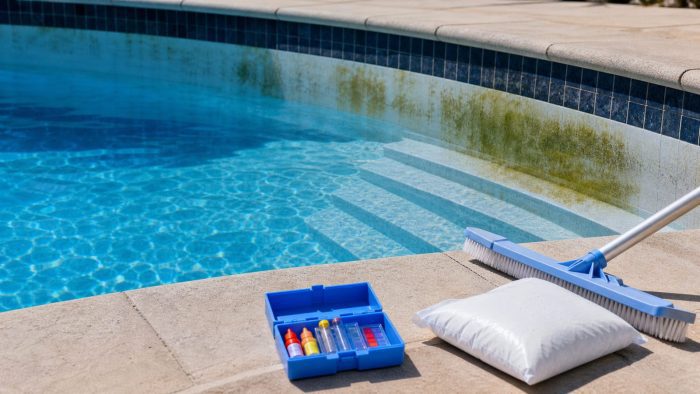
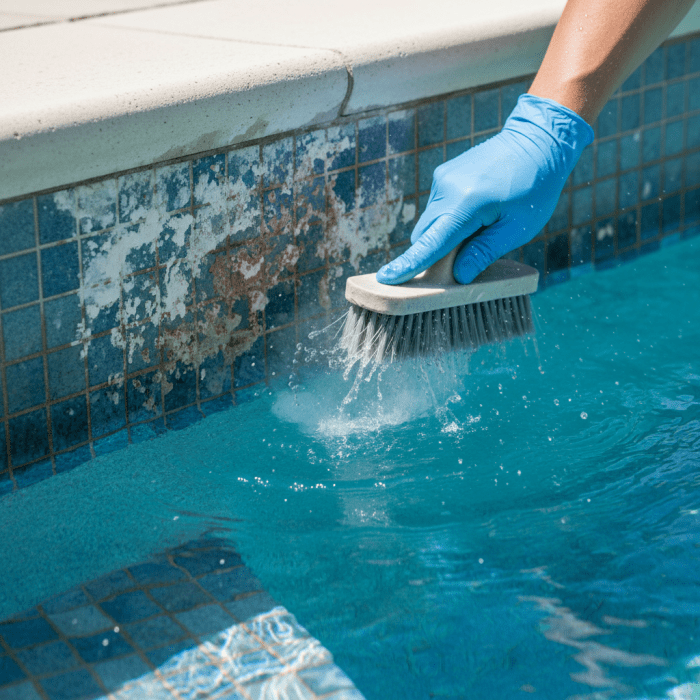
That ugly ring around your pool isn’t just an eyesore — it’s telling you something. Pool waterline stains form when oils, minerals, and organic debris accumulate at the water’s surface and bake onto your tile or liner in the sun. The good news? Most stains come off with the right approach. The bad news? You’ve probably been scrubbing wrong.
Quick answer
Pool Waterline Stains: How to Remove Them (And Keep Them Gone): That ugly ring around your pool isn’t just an eyesore — it’s telling you something. Pool waterline stains form when oils, minerals, and organic debris accumulate at the water’s surface and bake onto your tile or liner.
I’ve seen homeowners attack waterline grime with everything from dish soap to automotive cleaners. Some work. Some make things worse. And some destroy pool surfaces entirely. Let’s skip the trial and error and get your waterline looking new again.
Why Waterline Stains Form in the First Place
Understanding the cause helps you choose the right cleaner. Pool waterline stains aren’t all created equal.
Body Oils and Sunscreen Residue
Every swimmer leaves behind a cocktail of body oils, lotions, and sunscreen. This oily film floats on the surface and sticks to whatever it touches — your tile, vinyl liner, or fiberglass finish. Over time, sun and heat cure this residue into a yellowish, greasy film that laughs at regular brushing.
One backyard party with 8-10 swimmers can deposit enough oil to create visible buildup within 48 hours.
Calcium Scale Deposits
If you live in an area with hard water (above 250 ppm calcium hardness), you’ll battle white, crusty deposits. Calcium carbonate forms when your pH climbs above 7.8 and water evaporates at the waterline. It looks chalky or rough, like dried toothpaste.
The tricky part? Calcium scale bonds chemically to surfaces. You can’t just wipe it off.
Metal Stains
Copper turns your waterline blue-green. Iron leaves orange-brown streaks. These metals sneak into your pool through source water, corroding equipment, or cheap algaecides. Metal stains penetrate porous surfaces and require chemical treatment — scrubbing alone won’t touch them.
Organic Debris and Algae
Leaves, pollen, and dead algae create dark green or brown staining. This happens fast during fall or after an algae bloom. Organic stains respond well to chlorine-based cleaners but need quick action before they set.
How to Identify Your Waterline Stain Type
Before grabbing any cleaner, figure out what you’re dealing with. Here’s a quick test:
The Vitamin C Test: Crush a vitamin C tablet and rub it on a small section of stain. If the stain lightens or disappears within 30 seconds, you have a metal stain (iron or copper).
The Acid Test: Apply a few drops of muriatic acid (diluted 10:1 with water) to a stained area. If it fizzes and the white deposit dissolves, that’s calcium scale.
The Texture Test: Run your finger across the stain. Greasy or slick? Oil-based. Rough and gritty? Mineral scale. Slimy? Organic matter or algae.
Step-by-Step Waterline Stain Removal
For Oil and Sunscreen Buildup
This is the most common waterline issue, and thankfully the easiest to fix.
What you’ll need:
- Alkaline tile cleaner or enzyme-based cleaner
- Non-abrasive scrub pad
- Pool brush
- Microfiber cloths
The process:
1. Lower your water level 2-3 inches below the stain line (optional but makes cleaning easier)
2. Apply your cleaner directly to the stained area — work in 3-foot sections
3. Let it sit for 3-5 minutes. Don’t let it dry.
4. Scrub with a non-abrasive pad using circular motions
5. Wipe residue away with a microfiber cloth
6. Rinse the area with pool water before moving to the next section
For stubborn oil rings, I recommend Bio-Dex Skill-It Tile & Vinyl Cleaner. It’s enzyme-based, so it breaks down organic oils without harsh chemicals that could damage surfaces.
For Calcium Scale Deposits
Calcium requires acid to dissolve. But you need to be careful — too much acid damages grout, etches plaster, and can discolor vinyl.
What you’ll need:
- Calcium-specific tile cleaner or diluted muriatic acid
- Pumice stone (for tile only — never use on vinyl or fiberglass)
- Rubber gloves and eye protection
- Spray bottle
The process:
1. Wear protective gear. Acid burns.
2. Apply calcium remover or diluted muriatic acid (1 part acid to 10 parts water) to scale deposits
3. Wait 2-3 minutes — you’ll see fizzing as the acid reacts
4. For tile, use a pumice stone on stubborn spots. Keep the stone wet to avoid scratching.
5. Rinse thoroughly with fresh water
6. Neutralize remaining acid by brushing baking soda paste over the cleaned area
Warning: Never use pumice on vinyl liners, fiberglass, or painted surfaces. It will scratch permanently.
The Pool Stone Pumice Cleaning Block works great for gunite and ceramic tile. It wears down as you scrub, conforming to curved surfaces.
For Metal Stains
Metal stains require a different approach entirely. Acid makes iron stains worse by oxidizing the metal further.
What you’ll need:
- Ascorbic acid (vitamin C powder) or metal stain remover
- Metal sequestrant
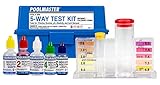
- Test kit for metals
The process:
1. Test your water for copper and iron levels
2. Sprinkle ascorbic acid powder directly on the stain
3. Rub gently with a soft cloth — the stain should lift within 1-2 minutes
4. Add a metal sequestrant to your pool water (follow product dosing)
5. Identify and fix the metal source: corroded heater, copper pipes, or contaminated fill water
For whole-pool metal staining, add 1 pound of ascorbic acid per 10,000 gallons directly to the water with the pump running. Stains often disappear within 24 hours.
For Organic Stains
Algae and leaf stains respond to chlorine.
Quick method:
1. Mix granular chlorine into a paste with a small amount of water
2. Apply directly to organic stains
3. Let sit 5-10 minutes
4. Scrub with a stiff pool brush
5. Run your filter for 24 hours to clear debris
Preventing Waterline Stains From Coming Back
Cleaning is only half the battle. These habits stop stains from returning:
Weekly brushing: Spend 2 minutes brushing the waterline during your regular maintenance. This prevents buildup from bonding.
Enzyme treatments: Add a weekly enzyme product like Natural Chemistry Pool Perfect. It digests oils and organic matter before they form stains.
Shower before swimming: I know, nobody does this. But rinsing off sunscreen and body oils for 30 seconds prevents 80% of oil-based waterline buildup.
Balance your water: Keep pH between 7.4-7.6 and calcium hardness between 200-400 ppm. This stops scale formation at the source. High pH plus high calcium equals crusty deposits within weeks.
Use a tennis ball: Float a clean tennis ball in your pool. The felt absorbs surface oils surprisingly well. Replace it monthly.
FAQ
How often should I clean my pool’s waterline?
Light brushing weekly prevents buildup. Deep cleaning with a tile cleaner every 4-6 weeks keeps stains from setting. If you throw lots of pool parties, clean the waterline within a few days after heavy use.
Can I use household cleaners on pool waterline stains?
Some work, some don’t. Dish soap leaves residue that foams in your pool. Magic erasers work on light grime but wear out fast. Avoid abrasive powders like Comet — they scratch surfaces. Stick with pool-specific cleaners designed for your surface type.
Will a pressure washer remove waterline stains?
It removes loose debris and some oil buildup, but pressure washing won’t dissolve calcium scale or metal stains. For tile, keep pressure under 2,000 PSI and maintain 12 inches distance. Never pressure wash vinyl liners.
Why does my waterline stain come back so quickly?
You’re treating the symptom, not the cause. If calcium scale returns within weeks, your water chemistry is off — test pH and calcium hardness. If oil builds up fast, you need enzyme treatments. If metals keep staining, find and fix the source.
Is there a waterline tile cleaner safe for all pool surfaces?
Enzyme-based cleaners are the safest universal option. They work on vinyl, fiberglass, tile, and plaster without damage risk. Acidic cleaners should only be used on tile and gunite — they discolor or damage vinyl and fiberglass.
Need help calculating the right chemical doses to prevent waterline stains? Our free Pool Chemical Calculator takes your current readings and tells you exactly what to add. Takes 60 seconds.
Download the app:
- iPhone/iPad: https://itunes.apple.com/us/app/pool-chem-calculator/id1453351222
- Android: https://play.google.com/store/apps/details?id=com.poolchemicalcalculator.poolcalc
As an Amazon Associate, Pool Chemical Calculator earns from qualifying purchases. Lowers high pH and helps bring alkalinity down when used carefully. Accurate readings make every chlorine, pH, alkalinity, calcium, and CYA dose safer. Raises calcium hardness to reduce corrosive water risk in plaster, concrete, and equipment.Recommended pool supplies


Get exact pool chemical doses
Pool Chemical Calculator turns your test readings, pool volume, and target levels into exact treatment amounts for chlorine, pH, alkalinity, calcium, stabilizer, salt, and more.
Open the Pool Chemical Calculator app or download it from the App Store and Google Play.