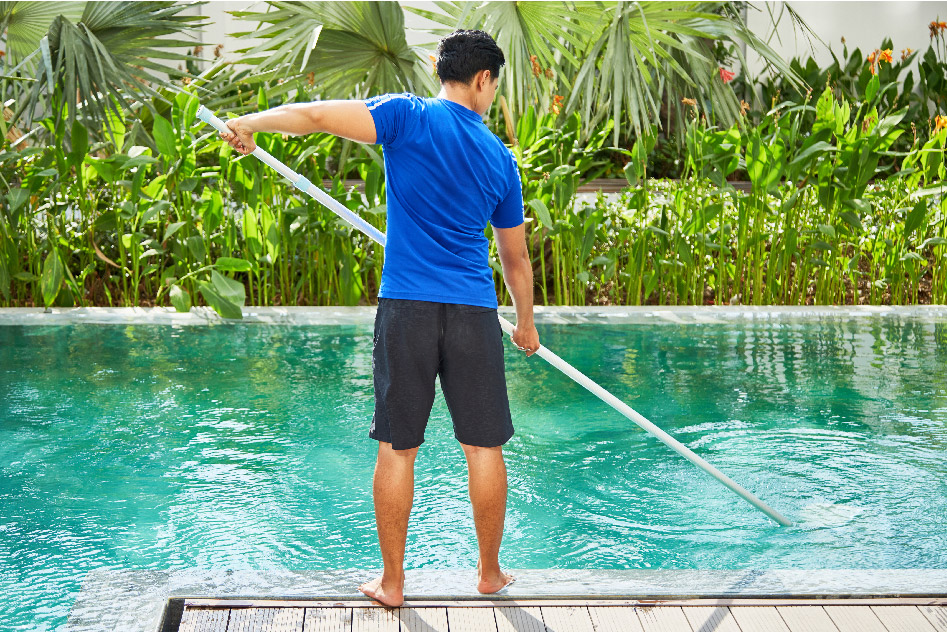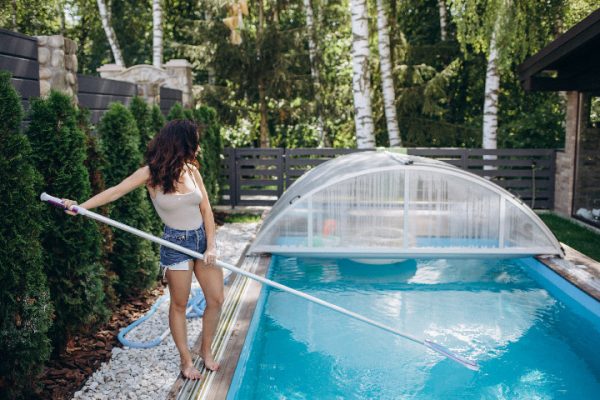
How to Calculate the Volume of a Swimming Pool: From Simple to Complex Shapes

Calculating the volume of your swimming pool is an essential task, whether you are a pool owner or a professional. Knowing the volume is crucial for determining the right amount of chemicals to use, heating or cooling requirements, and filtration needs. This article will guide you through the process of calculating the volume of swimming pools, starting with simple shapes and moving on to more complex ones. Grab your measuring tape, a pen, and some paper – let’s dive in!

I. Simple Shapes:

  1. Rectangular Pools

The most straightforward pool shape to calculate the volume for is a rectangular pool. Follow these steps:

a. Measure the length, width, and depth of the pool (in feet or meters). b. Multiply these measurements together to find the volume in cubic feet (or cubic meters): Volume = Length × Width × Depth

  1. Circular Pools

Circular pools are also relatively simple to calculate. Here are the steps:

a. Measure the diameter (across the widest part) and depth of the pool (in feet or meters). b. Calculate the radius by dividing the diameter by 2. c. Use the formula for the volume of a cylinder: Volume = π × Radius² × Depth, where π is a mathematical constant (approximately 3.14159).

II. Complex Shapes:

  1. Oval Pools


For an oval pool, follow these steps:

a. Measure the major axis (longest diameter) and minor axis (shortest diameter) of the pool, as well as the depth (in feet or meters). b. Calculate the volume using the following formula: Volume = π × (Major Axis / 2) × (Minor Axis / 2) × Depth

  1. Kidney-Shaped Pools

Calculating the volume of a kidney-shaped pool involves a few more steps:

a. Measure the lengths of the two axes (longest and shortest diameters) and the depth at the deepest and shallowest points of the pool. b. Calculate the average depth by adding the deepest and shallowest depths and dividing by 2: Average Depth = (Deepest Depth + Shallowest Depth) / 2 c. Use the formula for an oval pool (from above) with the average depth to calculate the volume.

  1. Free-Form Pools

For free-form pools, the best way to estimate the volume is by dividing the pool into smaller sections (such as rectangles, circles, or triangles) and calculating the volume of each section separately. Afterward, add the volumes together to find the total pool volume. Remember to use the appropriate formulas for each shape and to account for varying depths by using average depths when needed.

III. Considerations for Varying Depths

Many swimming pools have varying depths, such as a shallow end and a deep end. In these cases, it is essential to measure the depths at the shallowest and deepest points and use average depths in the volume calculations. For rectangular and oval pools, follow the steps mentioned earlier for calculating average depths. For more complex shapes, you might need to divide the pool into smaller sections and apply the same concept.

Conclusion:

Calculating the volume of a swimming pool is crucial for proper maintenance and operation. By following the steps and formulas outlined in this article, you can determine the volume of various pool shapes, from simple rectangles to more intricate free-form designs. Remember to consider the varying depths and always measure carefully to ensure accurate calculations. Happy swimming!


Recommended Products

As an Amazon Associate, we earn from qualifying purchases.

Common Mistakes to Avoid When Buying an Above Ground Pool

Don’t let these pitfalls ruin your pool-buying experience when getting a new above ground pool.

An above ground pool can provide endless hours of fun, relaxation, and family bonding. However, choosing the right pool requires careful consideration and planning. To help you make an informed decision, we’ve compiled a list of common mistakes to avoid when buying an above ground pool.

  1. Not Considering the Pool’s Size and Shape

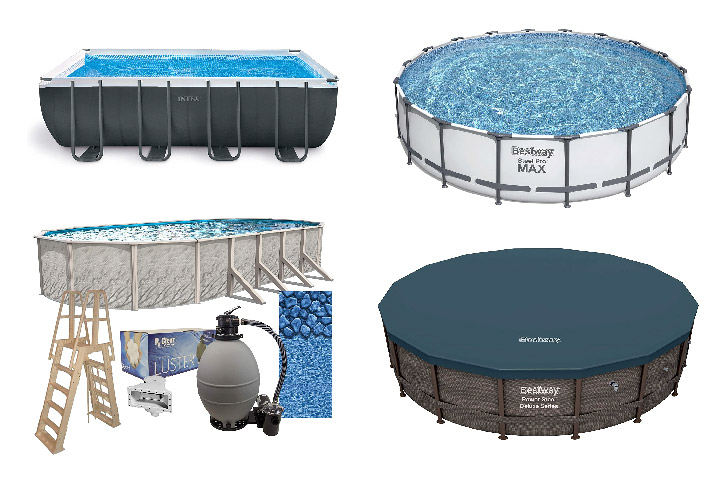
One of the most common mistakes when buying an above ground pool is not taking into account the size and shape of the pool. Before making a purchase, measure your backyard to ensure that the pool will fit comfortably and still allow for enough space for other activities. Additionally, think about the shape of the pool and how it will affect the layout of your backyard. Round and oval pools are the most popular shapes, but rectangular and square options are also available.

  1. Overlooking Local Regulations and Permits

Before installing an above ground pool, it’s essential to research local regulations and obtain any necessary permits. Failing to do so can result in fines, or you may be required to remove the pool altogether. Check with your local municipality and homeowners’ association to understand the rules and restrictions surrounding pool installations.

  1. Choosing the Wrong Pool Material


Above ground pools are available in a variety of materials, including steel, aluminum, and resin. Each material has its pros and cons, so it’s crucial to choose the right one for your needs. Steel pools are typically the most affordable option but are more prone to rust and corrosion. Aluminum pools are more lightweight and resistant to corrosion, but they can be susceptible to denting. Resin pools are the most durable and resistant to corrosion, but they can be more expensive.

  1. Ignoring Pool Installation Costs

Many people focus solely on the cost of the pool itself, neglecting to consider the installation costs. The installation process can be complex and time-consuming, and hiring a professional installer may be necessary. Make sure to factor in the cost of installation when budgeting for your above ground pool.

  1. Disregarding Maintenance Requirements

Owning a pool requires regular maintenance, including chemical balancing, cleaning, and filter maintenance. Before purchasing an above ground pool, make sure you understand the maintenance requirements and are prepared to invest the time and money necessary to keep your pool in top condition.

  1. Forgetting About Pool Accessories

When budgeting for an above ground pool, don’t forget to account for the cost of necessary accessories, such as a pool ladder, filter system, pool cover, and pool toys. These items can add up quickly and significantly impact the overall cost of your pool.

  1. Focusing Solely on Price


While it’s essential to stick to a budget, focusing solely on price can lead to disappointment in the long run. Cheaper pools may be made from lower-quality materials and may not last as long as more expensive options. Instead of solely focusing on price, consider the pool’s durability, materials, and overall value.

Conclusion

By avoiding these common mistakes, you can make an informed decision when purchasing an above ground pool. Remember to consider factors such as size, shape, materials, and maintenance requirements to ensure you choose the perfect pool for your family and backyard space. By doing your research and understanding the potential pitfalls, you’ll be well on your way to enjoying your new above ground pool for years to come.

Most Common Pool Opening Mistakes and How to Avoid Them

Ensuring a Smooth Pool Opening Season by Learning from Common Missteps

As the weather starts to warm up, pool owners eagerly prepare to open their swimming pools for the season. However, opening a pool can be a complex process, and mistakes can lead to frustrating and costly issues. To help you avoid common pitfalls, we’ve compiled a list of the most common pool opening mistakes and tips on how to prevent them.

  1. Opening the Pool Too Late

One of the most common mistakes pool owners make is waiting too long to open their pool. Delaying the opening can lead to algae growth, which can be challenging to eliminate and may require additional chemicals and maintenance.

How to avoid: Open your pool when the temperature consistently stays above 60°F (16°C). This helps prevent algae growth and ensures your pool is ready for use as soon as the weather permits.

  1. Not Thoroughly Cleaning the Pool Cover

Failing to clean the pool cover before removing it can introduce dirt, debris, and bacteria into the pool water, affecting water chemistry and clarity.

How to avoid: Before removing the pool cover, use a soft brush or broom to sweep off any debris, and hose it down to remove any lingering dirt or algae.

  1. Neglecting to Properly Balance Water Chemistry


Improper water chemistry can lead to various issues, such as algae growth, cloudy water, and potential damage to your pool equipment and surfaces.

How to avoid: Test your pool water as soon as you open it and adjust the chemicals accordingly. Ensure that the pH, alkalinity, and sanitizer levels are within the recommended ranges. Consult a pool professional if you are unsure about the correct levels for your pool.

  1. Forgetting to Inspect and Reassemble Pool Equipment

Overlooking the inspection and reassembly of pool equipment can lead to leaks, malfunctioning components, and potential damage to the pool system.

How to avoid: Before starting up your pool, inspect all equipment, such as the pump, filter, and heater, for signs of wear or damage. Reassemble all components according to the manufacturer’s instructions and check for leaks or other issues during the initial startup.

  1. Rushing the Pool Opening Process

Trying to open your pool too quickly can lead to mistakes, overlooked issues, and potential damage.

How to avoid: Set aside ample time to open your pool and follow a step-by-step process to ensure you don’t miss any critical tasks. It’s better to take your time and get it right than to rush and potentially cause problems.

  1. Not Brushing and Vacuuming the Pool

Skipping the brushing and vacuuming process can lead to lingering dirt and debris, which can affect water clarity and quality.

How to avoid: After opening your pool, thoroughly brush and vacuum the pool surfaces to remove any dirt, debris, or algae. This helps ensure a clean and clear pool, ready for swimming.

Conclusion

Opening your pool for the season can be an exciting time for pool owners. By being aware of the most common pool opening mistakes and taking steps to avoid them, you can ensure a smooth and trouble-free pool opening process. Properly opening your pool sets the stage for a fun, safe, and enjoyable swimming season.

Caring for Your Chlorine Generator Cell: Essential Tips for Optimal Performance and Longevity

Keep Your Salt Water Pool Clean and Clear by Properly Maintaining Your Chlorine Generator Cell

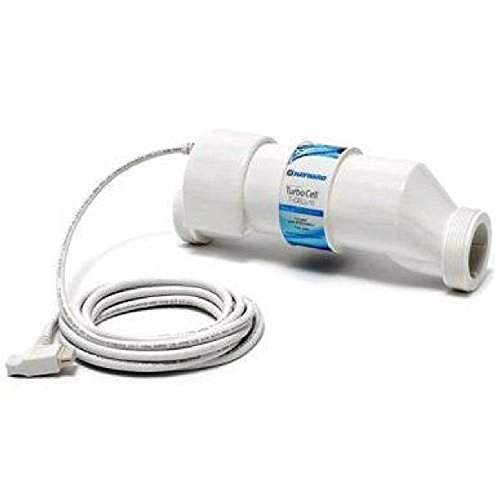
Chlorine generator cells, also known as salt cells, are a critical component of a salt water pool’s sanitation system. They use electrolysis to convert salt into chlorine, providing continuous sanitization to keep pool water clean and clear. Proper care and maintenance of the chlorine generator cell are crucial to ensure optimal performance and extend the lifespan of the cell. In this article, we will discuss the proper way to care for your chlorine generator cell to keep your salt water pool in top shape.

Step 1: Inspect the Cell Regularly

Regularly inspect the chlorine generator cell to identify any issues or signs of wear. Check for buildup, scaling, or damage to the cell’s plates or other components. Monitoring the cell’s performance and keeping an eye on the salt chlorine generator’s output settings will help you determine when it’s time for cleaning or replacement.


Step 2: Clean the Cell as Needed

Over time, mineral deposits and calcium buildup can accumulate on the cell plates, reducing the cell’s efficiency and its ability to produce chlorine. Clean the cell as needed, typically every 3-6 months, or according to the manufacturer’s recommendations. Follow these steps to clean your chlorine generator cell:

  1. Turn off the pool pump and salt chlorine generator.
  2. Disconnect the cell from the generator’s control unit and remove it from the plumbing.
  3. Visually inspect the cell for buildup or scaling. If significant buildup is present, proceed with cleaning.
  4. Mix a cleaning solution of equal parts water and muriatic acid in a plastic container. Always add acid to water, not water to acid, to avoid a dangerous chemical reaction.
  5. Submerge the cell in the cleaning solution and let it soak for 15-30 minutes, or until the buildup has dissolved. Do not leave the cell in the cleaning solution for too long, as excessive exposure to acid can damage the cell.
  6. Use a soft brush or sponge to gently remove any remaining deposits from the cell plates. Avoid using abrasive tools that can damage the cell’s surface.
  7. Thoroughly rinse the cell with fresh water to remove any residual acid.
  8. Reinstall the cell, making sure all connections are secure and watertight.


Step 3: Maintain Proper Water Chemistry

Maintaining balanced water chemistry in your salt water pool is crucial for the health of your chlorine generator cell. Test your pool water regularly and adjust the levels of pH, alkalinity, and salt concentration as needed to keep them within the recommended ranges. Proper water chemistry will help prevent excessive scaling and extend the life of the cell.

Step 4: Monitor the Salt Chlorine Generator’s Output

Regularly check the output settings on your salt chlorine generator to ensure it’s producing the correct amount of chlorine. Adjust the output settings as needed to maintain proper chlorine levels (1-3 ppm) in your pool. This will help prevent excessive wear on the cell and keep your pool water clean and clear.


Step 5: Replace the Cell When Necessary

Chlorine generator cells have a limited lifespan, typically ranging from 3-7 years, depending on usage and maintenance. As the cell reaches the end of its life, it may become less efficient and require more frequent cleaning or higher output settings to maintain proper chlorine levels. When the cell can no longer produce adequate chlorine, it’s time to replace it with a new one.

Proper care and maintenance of your chlorine generator cell are crucial for maintaining optimal performance and extending its lifespan. By regularly inspecting and cleaning the cell, maintaining balanced water chemistry, and monitoring the salt chlorine

Eliminating Pink Slime from Your Above Ground Swimming Pool

A Comprehensive Guide to Identifying, Treating, and Preventing Pink Slime in Home Pools

Introduction

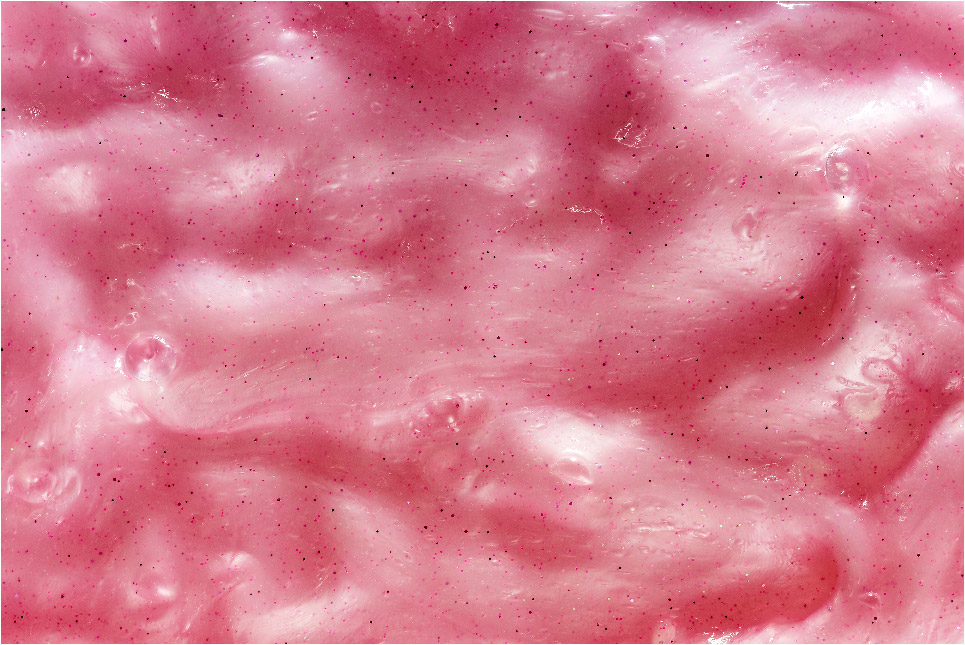
Pink slime is an unsightly and unwelcome guest in many above ground swimming pools. This slimy, gelatinous substance is actually a type of bacteria called Methylobacterium. Pink slime can form on pool surfaces, equipment, and inside pipes, leading to issues such as poor water circulation, unpleasant odors, and an unappealing swimming environment. In this article, we will guide you through the process of identifying, treating, and preventing pink slime in your above ground swimming pool.

Identifying Pink Slime in Your Swimming Pool

Pink slime can appear as a pink or red slimy film on pool surfaces, such as walls, floors, ladders, and steps. It can also be found inside skimmer baskets, pumps, and filters. Pink slime typically thrives in areas with low water circulation and tends to be more prevalent in pools with high phosphate levels or inadequate sanitation.

Treating Pink Slime in Your Above Ground Swimming Pool

  1. Remove Visible Pink Slime: Begin by manually removing as much visible pink slime as possible using a pool brush, skimmer net, or a cloth. Be sure to clean all affected surfaces and equipment, including skimmer baskets, pumps, and filters.
  2. Shock Your Pool: After removing the visible pink slime, shock your pool using a high-quality pool shock treatment. Follow the manufacturer’s instructions for the proper dosage and application procedure. Shocking your pool helps eliminate bacteria and other contaminants, including pink slime.
  3. Balance Your Pool Water: Test and adjust your pool water chemistry to maintain optimal levels:
    • pH: 7.2-7.8
    • Total Alkalinity: 80-120 ppm
    • Free Chlorine: 2-4 ppm
    • Calcium Hardness: 200-400 ppm
  4. Remove Phosphates: High phosphate levels can contribute to the growth of pink slime. Use a phosphate remover to reduce phosphate levels in your pool, following the manufacturer’s instructions for the proper dosage and application procedure.
  5. Vacuum and Brush Your Pool: Thoroughly vacuum and brush your pool to remove any remaining pink slime and debris. Pay special attention to areas where pink slime was previously present.
  6. Clean Pool Equipment: Disassemble and clean any affected pool equipment, such as skimmer baskets, filters, and pumps, to ensure all traces of pink slime are removed.

Preventing Pink Slime in Your Above Ground Swimming Pool

  1. Maintain Proper Water Chemistry: Regularly test and adjust your pool water chemistry to maintain a balanced and sanitary swimming environment.
  2. Maintain Sanitizer Levels: Ensure your pool’s sanitizer levels are within the recommended range, whether you use chlorine or an alternative sanitizer.
  3. Regular Pool Maintenance: Perform routine pool maintenance, including vacuuming, brushing, and skimming, to prevent the accumulation of debris and contaminants that can contribute to pink slime growth.
  4. Manage Phosphate Levels: Regularly test and control phosphate levels in your pool using a phosphate remover to discourage pink slime formation.
  5. Improve Water Circulation: Ensure your pool’s pump and filter system is working efficiently to maintain proper water circulation, which can help prevent pink slime growth in low-flow areas.

Conclusion

While pink slime can be an unwelcome nuisance in your above ground swimming pool, with proper identification, treatment, and prevention techniques, you can effectively eliminate and prevent its return. By maintaining a balanced and clean swimming environment, you can enjoy a clear, sparkling pool free of pink slime and other contaminants, providing endless hours of fun and relaxation for you and your family.


Recommended Products

As an Amazon Associate, we earn from qualifying purchases.
How to Raise pH in a Swimming Pool: A Comprehensive Guide for Pool Owners

Maintain the Perfect pH Balance for a Healthy and Enjoyable Swimming Experience

Introduction

Maintaining the ideal pH level in your swimming pool is crucial to ensuring a comfortable swimming experience, protecting your pool equipment, and promoting effective sanitization. The pH scale ranges from 0 to 14, with 7 being neutral. The optimal pH level for a swimming pool is typically between 7.2 and 7.8. If your pool’s pH is too low, it can lead to corrosion of pool equipment, skin and eye irritation, and reduced effectiveness of sanitizing chemicals. This article will provide you with a comprehensive guide on how to raise the pH level in your swimming pool to achieve a well-balanced and healthy swimming environment.

Step 1: Test Your Pool Water

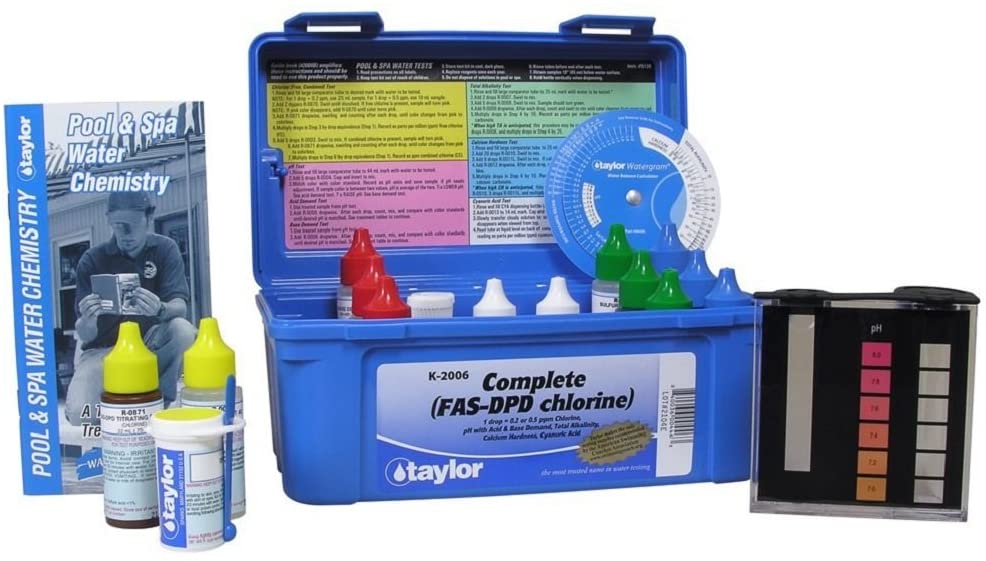
Begin by testing your pool water to determine the current pH level. You can use a pool test kit or test strips, which are readily available at most pool supply stores. Follow the instructions provided with your testing method to obtain accurate results.

Step 2: Calculate the Required pH Increaser Amount

If your pH level is below 7.2, you will need to add a pH increaser (also known as a pH up or pH plus) to raise the pH. Sodium carbonate (soda ash) and sodium bicarbonate (baking soda) are two common chemicals used as pH increasers.

To calculate the amount of pH increaser required, consult the product label or use an online pool calculator. You will need to know your pool’s volume, the current pH level, and the target pH level.

Step 3: Pre-dissolve the pH Increaser

To ensure even distribution and prevent cloudiness or damage to your pool surfaces, pre-dissolve the pH increaser in a bucket of water before adding it to your pool. Fill a large plastic bucket with water, and gradually add the required amount of pH increaser, stirring continuously until it’s fully dissolved.

Step 4: Add the pH Increaser to Your Pool

Slowly pour the dissolved pH increaser solution into the pool, spreading it evenly around the perimeter. Avoid pouring the solution directly onto pool surfaces or fittings, as this may cause damage.

Step 5: Circulate the Pool Water

Turn on your pool pump and allow it to circulate the water for at least 2-4 hours. This will help to distribute the pH increaser evenly throughout the pool, ensuring the pH level is raised consistently.

Step 6: Retest and Adjust as Needed

After the pool water has circulated for a sufficient time, retest the pH level using your pool test kit or test strips. If the pH level is still below the ideal range, repeat Steps 2-5, adding more pH increaser as necessary. Keep in mind that it’s better to make gradual adjustments to avoid overshooting the target pH level.

Conclusion

Maintaining the optimal pH level in your swimming pool is essential for a healthy and enjoyable swimming environment. By following this comprehensive guide on how to raise the pH in your swimming pool, you can ensure the comfort of swimmers, protect your pool equipment, and maximize the effectiveness of your sanitizing chemicals. Regular testing and adjustments are key to maintaining a well-balanced and inviting pool for you and your family to enjoy.


Recommended Products

As an Amazon Associate, we earn from qualifying purchases.
Opening Your Above Ground Swimming Pool for the Season: A Comprehensive Guide

Uncover the Best Date, Detailed Steps, and Tips for a Smooth and Successful Pool Opening

As the warmer months approach, it’s time to think about opening your above ground swimming pool for the season. A well-planned and executed pool opening ensures a safe, clean, and enjoyable swimming environment for you and your family. This article provides guidance on the best date to open your pool, detailed steps for a successful opening, and tips and tricks to make the process smoother and more efficient.

Best Date to Open Your Above Ground Swimming Pool

While the ideal date for opening your pool may vary depending on your location and local climate, a general rule of thumb is to open the pool when the daytime temperatures consistently stay above 70°F (21°C). Opening the pool too early could result in cold water temperatures and increased energy costs, while opening too late can lead to the growth of algae and other contaminants.

Detailed Steps for Opening Your Above Ground Swimming Pool

Step 1: Clean the Pool Area Start by removing any leaves, debris, and trash from around your pool. This will help prevent dirt and debris from entering the water during the opening process.

Step 2: Remove the Pool Cover Carefully remove your winter pool cover, being mindful of any accumulated water or debris. Clean and dry the cover thoroughly before storing it for the season.

Step 3: Inspect the Pool for Damage Check your pool for any signs of damage, such as tears or punctures in the liner, rust, or loose fittings. Address any issues before proceeding with the opening process.

Step 4: Reinstall Pool Equipment Reinstall any pool equipment that was removed or winterized during the off-season, including the ladder, skimmer, filter, pump, and any other accessories.

Step 5: Fill the Pool Using a garden hose, fill your pool to the appropriate water level, typically halfway up the skimmer opening.


Step 6: Prime and Start the Pump Prime your pool pump by filling the pump basket with water and ensuring all valves are open. Turn on the pump and check for proper water flow and circulation.

Step 7: Test and Balance the Water Chemistry Using a pool test kit or test strips, check the levels of pH, chlorine, total alkalinity, and calcium hardness in your pool water. Adjust the chemical levels as needed to achieve optimal balance:

  • pH: 7.2-7.8
  • Chlorine: 1-3 ppm (parts per million) for traditional chlorine pools or 2-4 ppm for saltwater pools
  • Total Alkalinity: 80-120 ppm
  • Calcium Hardness: 200-400 ppm

Step 8: Shock the Pool Shocking your pool involves adding a high dose of chlorine or other sanitizer to eliminate any bacteria, algae, and other contaminants that may have developed during the off-season. Follow the manufacturer’s instructions for the proper dosage and application procedure.

Step 9: Clean the Pool Skim the surface of your pool to remove any debris, brush the pool walls and floor, and vacuum the pool thoroughly to ensure a clean and inviting swimming environment.

Tips and Tricks for a Smooth Pool Opening

  1. Plan ahead: Set a date for your pool opening and gather all necessary supplies, including chemicals, test kits, and cleaning equipment, well in advance.
  2. Enlist help: Pool opening can be a time-consuming process. Recruit family members or friends to assist with tasks such as removing the pool cover and cleaning the pool area.
  3. Be patient: Allow the pool water to circulate for at least 24 hours before testing and adjusting the water chemistry. This will ensure accurate readings and more effective chemical adjustments.
  4. Keep a maintenance log: Document the chemical levels, equipment settings, and any issues encountered during the pool opening process. This information can be helpful for future reference and to track changes in your pool’s condition over time.
  5. Monitor water chemistry closely: In the first few weeks after opening your pool, test the water chemistry more frequently (every 2-3 days) to ensure proper balance and sanitization. As the season progresses and the water stabilizes, you can reduce testing frequency to once per week.
  6. Run the pump and filter longer initially: Running your pool pump and filter for longer periods (12-24 hours) immediately after opening your pool can help clear any cloudiness, debris, or contaminants more quickly.
  7. Consider a professional pool opening service: If you are unsure about the pool opening process or prefer to have an expert handle the task, many pool service companies offer pool opening packages that include equipment installation, water testing, and chemical balancing.


Opening your above ground swimming pool for the season is an essential task that sets the stage for a summer of fun and relaxation. By choosing the best date to open, following the detailed steps outlined in this guide, and applying the tips and tricks for a smooth pool opening, you can ensure a safe, clean, and enjoyable swimming environment for you and your family. With proper planning and attention to detail, your pool will be ready to provide endless hours of entertainment and relaxation all season long.

The Best Way to Clean Your Home Swimming Pool: A Comprehensive Guide for Pool Owners

Keep Your Pool Sparkling Clean and Inviting with These Detailed Steps and Tips

A clean swimming pool is essential for a safe and enjoyable swimming experience. Regular pool maintenance not only keeps the water looking clear and inviting but also helps prolong the life of your pool equipment and reduces the risk of waterborne illnesses. In this article, we provide a comprehensive guide on the best way to clean your home swimming pool, detailing the steps and tips to ensure a well-maintained and inviting pool for you and your family to enjoy.


Step 1: Skim the Surface

Start by skimming the surface of your pool using a leaf skimmer or pool net. This will help remove leaves, insects, and other debris that can affect water quality and clog your pool’s filtration system. For best results, skim the pool daily or as needed to keep the surface clear.


Step 2: Brush the Pool Walls and Floor

Use a pool brush to clean the walls, floor, and any steps or ledges in your pool. Pay special attention to corners, crevices, and areas around the pool’s waterline where algae and dirt can accumulate. Brushing your pool at least once a week will help prevent the buildup of algae and other contaminants.

Step 3: Vacuum the Pool

Vacuuming your pool regularly is essential for removing dirt, debris, and small particles that brushing and skimming may miss. There are various types of pool vacuums available, including manual, automatic, and robotic vacuums. Choose the one that best suits your needs and budget, and follow the manufacturer’s instructions for proper use. Aim to vacuum your pool at least once a week or more frequently if needed.

Step 4: Clean the Pool Filter

A clean pool filter is crucial for maintaining water quality and circulation. Depending on the type of filter you have (sand, cartridge, or diatomaceous earth), the cleaning process will differ. Consult your filter’s owner’s manual for specific cleaning instructions and follow them accordingly. As a general rule, clean your filter every 4-6 weeks or as needed based on pressure gauge readings and overall pool cleanliness.

Step 5: Check and Maintain Water Chemistry

Regularly testing and adjusting your pool’s water chemistry is essential for a safe and comfortable swimming environment. Use a pool test kit or test strips to check the levels of pH, chlorine or other sanitizers, total alkalinity, and calcium hardness. The ideal levels for these parameters are:

  • pH: 7.2-7.8
  • Chlorine: 1-3 ppm (parts per million) for traditional chlorine pools or 2-4 ppm for saltwater pools
  • Total Alkalinity: 80-120 ppm
  • Calcium Hardness: 200-400 ppm


Adjust these levels as needed to maintain optimal water balance and ensure effective sanitization.

Step 6: Shock the Pool

Shocking your pool involves adding a high dose of chlorine or other sanitizer to kill algae, bacteria, and other contaminants. This should be done on a regular basis, typically every 1-2 weeks, or as needed to maintain water clarity and sanitation. Follow the manufacturer’s instructions for the proper dosage and application procedure.

Tips for Maintaining a Clean Swimming Pool

  1. Keep the pool area clean: Remove any leaves, debris, and trash from around your pool to prevent them from being blown into the water.
  2. Maintain proper circulation: Run your pool pump for at least 8-12 hours a day to ensure adequate water circulation and filtration.
  3. Keep the water level consistent: Maintain the water level halfway up the skimmer opening to ensure optimal skimming and filtration.
  1. Regularly inspect and maintain pool equipment: Check your pool pump, filter, skimmer baskets, and other equipment for any signs of wear, damage, or clogging. Address any issues promptly to ensure optimal pool performance.
  2. Utilize a pool cover: Using a pool cover when the pool is not in use can help reduce the amount of debris that enters the water, minimize water evaporation, and maintain consistent water temperature. Choose a pool cover that fits your pool’s shape and size for maximum effectiveness.
  3. Trim overhanging vegetation: Keep trees, bushes, and other vegetation trimmed back from the pool area to reduce the amount of leaves and debris that can fall into the water.
  4. Educate pool users: Encourage family members and guests to shower before entering the pool, avoid wearing heavy lotions or oils, and refrain from bringing food or beverages into the pool area. This can help minimize contaminants and keep your pool cleaner.

Maintaining a clean and well-maintained swimming pool is crucial for a safe, healthy, and enjoyable swimming experience. By following the detailed steps and tips outlined in this comprehensive guide, you can keep your pool sparkling clean and inviting for you and your family to enjoy. Regular pool care not only ensures a pleasant swimming environment but also helps prolong the life of your pool equipment and minimizes the risk of waterborne illnesses. With proper maintenance and attention, your home swimming pool can be a source of relaxation, fun, and enjoyment for years to come.


Recommended Products

As an Amazon Associate, we earn from qualifying purchases.