
Pool Closing vs Winterizing: What Is the Difference?
Quick answer
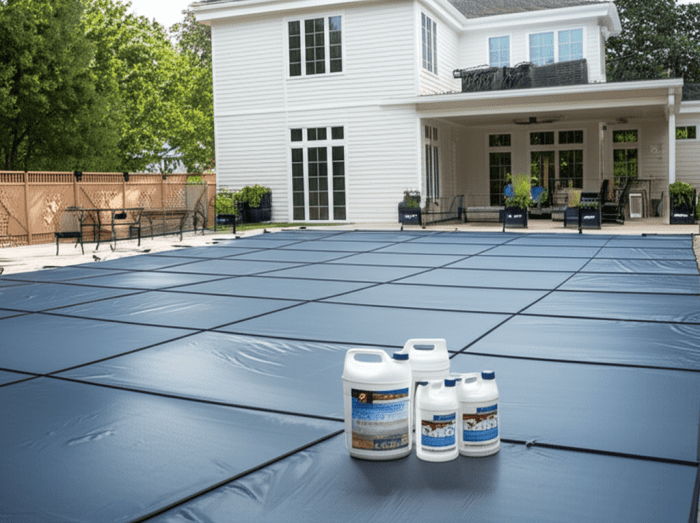
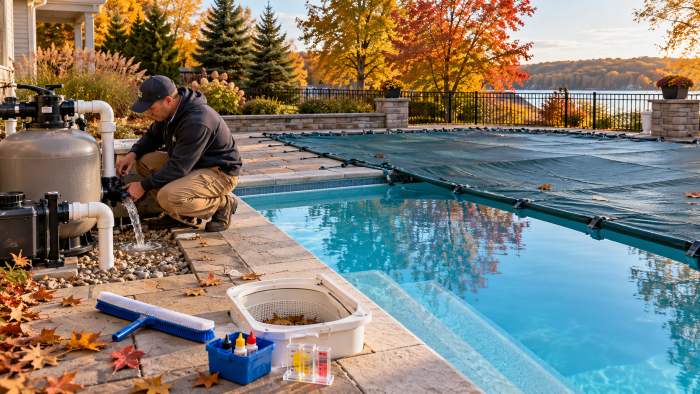
Pool closing is the complete end-of-season job. Winterizing is the freeze-protection part of that job. A proper closing usually includes cleaning the pool, testing and balancing the water, lowering the level when the pool and cover require it, adding treatment based on test results, installing the cover, and preparing the equipment. Winterizing specifically means removing water from plumbing and equipment, plugging lines, draining vulnerable components, and protecting them from freezing.
Quick answer
Pool Closing vs Winterizing: What Is the Difference?: Quick answer Pool closing is the complete end-of-season job. Winterizing is the freeze-protection part of that job. A proper closing usually includes cleaning the pool, testing and balancing the water, lowering the.
In a cold climate, you usually need both. You can close a pool without fully winterizing it in a warm climate where the pool will keep circulating, but leaving water trapped in plumbing before a freeze can crack pipes, pumps, filters, heaters, or salt cells. The safest plan depends on your climate, pool type, equipment, and the instructions for your cover and manufacturer.
Pool closing vs winterizing at a glance
The terms overlap, but they are not interchangeable.
| Task | Pool closing | Winterizing |
|—|—|—|
| Remove debris and brush surfaces | Usually included | Helpful, but not the core task |
| Test and balance water | Essential | Supports the closing, but not equipment protection |
| Add chlorine or closing treatment | Often included | Not the definition of winterizing |
| Lower water level | Sometimes required | May be part of the preparation |
| Blow out or drain plumbing | Often included in a hard close | Central purpose |
| Drain pump, filter, heater, or salt cell | Often included | Central purpose |
| Install and secure winter cover | Usually included | May be the final closing step |
Service companies may use “closing” and “winterization” differently. Ask for a written scope before booking. A low-priced closing that only installs the cover may not include line blowout, equipment draining, chemistry, or water-feature protection.
What does pool closing include?
A full pool closing prepares the water, structure, equipment, and cover for the off-season. The exact checklist changes for an in-ground pool, above-ground pool, saltwater system, water features, and the local freeze risk.
Most full closings include these stages:
- Remove leaves, debris, ladders, steps, toys, and removable accessories.
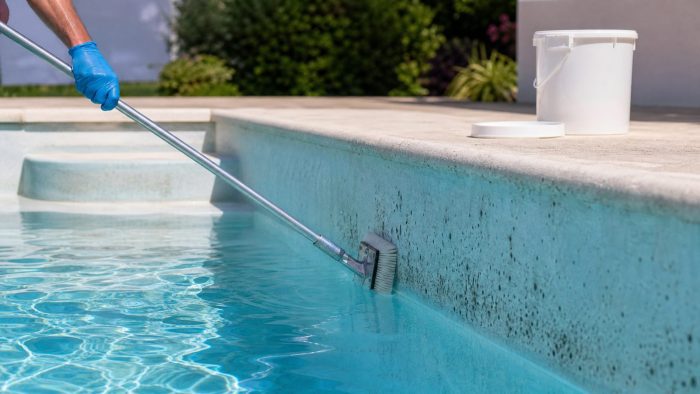
- Brush and vacuum the pool so organic material does not sit under the cover.
- Test pH, free chlorine, combined chlorine, total alkalinity, cyanuric acid, and calcium hardness.
- Adjust chemistry using measured doses rather than automatically adding every product in a kit.
- Run the pump long enough to distribute treatment and clean the filter.
- Lower the water only as far as the pool, cover, and manufacturer instructions require.
- Disconnect, drain, or winterize plumbing and equipment where freezing is possible.
- Install plugs, skimmer protection, air pillows, water bags, anchors, or other cover hardware as appropriate.
- Install the winter cover and check that it is secure without sharp objects damaging the liner.
The CDC identifies chlorine and pH as the first defenses against germs in a residential pool. For a pool using cyanuric acid or stabilized chlorine, the CDC recommends pH from 7.0 to 7.8 and at least 2 ppm chlorine. Your closing targets may be narrower because surface, sanitizer, product, and local service guidance also matter. Test the water before dosing, and follow the chemical label.
What does pool winterizing include?
Winterizing protects the circulation system from freeze damage. Water expands when it freezes, so a small amount trapped in a pipe or equipment chamber can create an expensive failure. Winterizing normally includes:
- Turn off power to the pump, heater, salt system, and other equipment according to the manufacturer’s procedure.
- Close or position valves so water can be removed safely from the correct sections of the system.
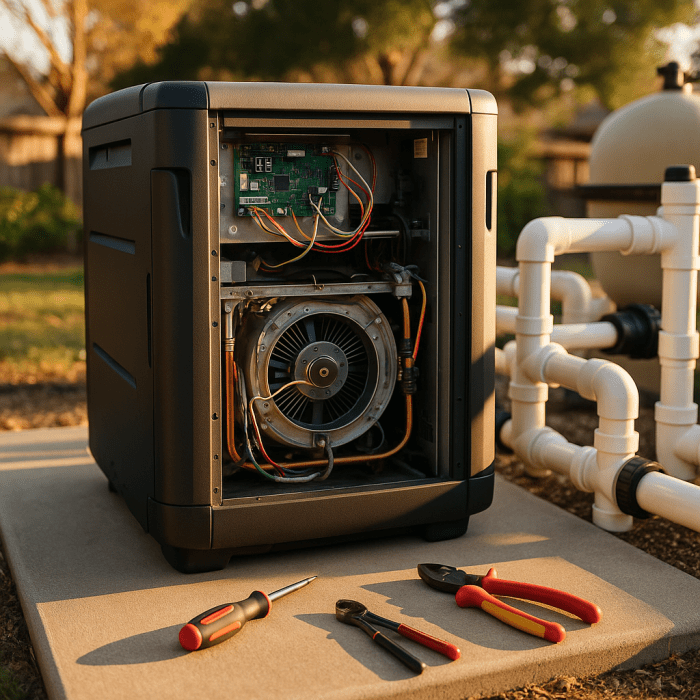
- Drain the pump basket housing, filter tank, heater, chlorinator, heat pump, and other components that can retain water.
- Blow water out of return lines, skimmer lines, cleaner lines, water features, and other plumbing when the system is designed for that method.
- Install winter plugs, skimmer protection, and equipment drain plugs without forcing incompatible parts.
- Protect special equipment such as salt cells, UV units, automation panels, and heaters according to its manual.
Some systems use non-toxic pool or RV antifreeze in selected plumbing after the water is removed. Never substitute automotive antifreeze, and never pour a product into plumbing unless the product label and equipment instructions permit it. Many pools do not need antifreeze when lines are correctly blown out and sealed.
Step-by-step: combine closing and winterizing safely
1. Choose the timing from water temperature and forecast
In a freezing climate, finish before a hard freeze but do not close so early that warm water sits stagnant for weeks. A common practical trigger is when water stays below about 65 degrees Fahrenheit, but regional weather and the pool professional’s guidance matter more than a single number. Watch for an early freeze after the equipment is shut down.
2. Clean the pool and equipment area
Skim leaves, brush walls and floor, vacuum sediment, empty baskets, and clean the filter. Remove accessories that can stain or damage the liner. Clear the equipment pad so drain plugs, valves, and plumbing are visible.
3. Test and balance before adding closing chemicals
Use a fresh sample taken away from return jets and the skimmer. Record free chlorine, combined chlorine, pH, total alkalinity, cyanuric acid, calcium hardness, and water temperature. Enter the measurements in the Pool Chemical Calculator app to estimate adjustments for your pool volume. The pool volume calculator, chlorine calculator, and pH calculator can help with individual steps.
Do not add a fixed “winterizing kit” dose before testing. High cyanuric acid, high calcium, metals, algae, or an already-high chlorine level can make that approach counterproductive.
4. Apply treatment separately and circulate
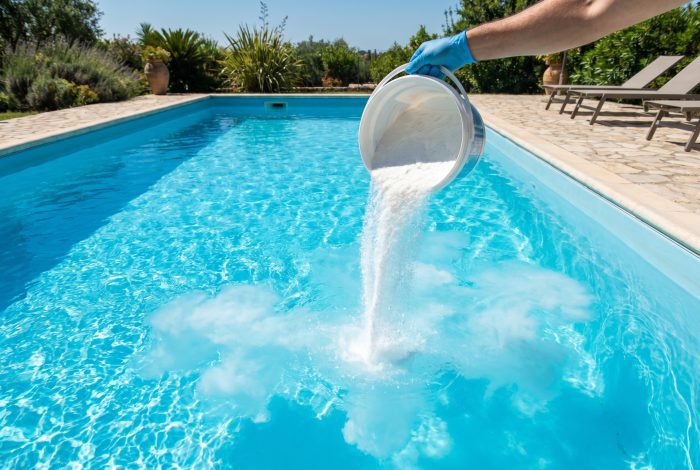
Adjust alkalinity and pH as needed, then bring sanitizer to the product’s closing recommendation. If algae is present, solve that problem before covering the pool. Add algaecide only when the label and water condition justify it. Never mix chlorine, acid, algaecide, or other products in a container. Add products separately with circulation and waiting time required by the label.
5. Lower water only when the system calls for it
The correct level depends on the cover, pool construction, groundwater conditions, and manufacturer instructions. Some solid covers need the water below a certain point. A mesh cover may use a different level. Above-ground pools should not be drained casually because the liner and wall depend on water support.
6. Winterize every plumbing branch
Do not stop after draining the pump. Include skimmers, returns, cleaners, heaters, fountains, waterfalls, solar lines, salt cells, and any hidden branch that can hold water. Label valves and photograph connections before disconnecting them. If you cannot identify a line, get help before applying compressed air.
7. Cover and document the finished system
Install the cover using the correct anchors, springs, cable, water bags, or clips. Keep sharp bricks, rocks, and scrap lumber away from the cover and liner. Write down the final water readings, valve positions, drain plugs removed, equipment stored, and any parts that need replacement in spring.
When do you need a professional?
Hire a qualified pool technician when the pool has multiple water features, an attached spa, complicated automation, an in-floor cleaning system, a heat pump, a solar loop, difficult access, or a history of freeze damage. Professional help is also sensible if you are unsure which valves isolate the heater or how much pressure the plumbing can safely tolerate.
Ask whether the quote includes chemicals, filter cleaning, line blowout, equipment draining, water lowering, cover installation, salt-cell removal, water-feature winterization, and spring opening. “Pool closing” is not a standardized package.
Supplies that make a closing easier
Useful supplies include a reliable test kit, leaf net, pool brush, vacuum, filter tools, drain-plug set, skimmer gizmo or equivalent protection, winter plugs, cover hardware, and a properly rated air blower. Compare pool closing supplies, test kits, cover hardware, and winter chemicals on Amazon. As an Amazon Associate, Pool Chemical Calculator may earn from qualifying purchases.
As an Amazon Associate, Pool Chemical Calculator may earn from qualifying purchases.
FAQ
Is pool closing the same as winterizing?
No. Closing is the complete seasonal shutdown. Winterizing is the freeze-protection work for plumbing and equipment. A cold-climate closing normally includes winterization.
Can I close a pool without winterizing it?
Only when the pool will remain operational and the climate and equipment plan do not require shutdown. In a freezing climate, leaving water in plumbing can cause severe damage.
Do I have to lower the pool water before winter?
Not always. The correct level depends on the cover, pool type, construction, groundwater, and manufacturer instructions. Never use a generic level for every pool.
Should I add algaecide when closing a pool?
Only if the product label and your water condition support it. Algaecide cannot replace adequate sanitizer, cleaning, filtration, or a properly winterized circulation system.
Can I use automotive antifreeze in pool plumbing?
No. Automotive antifreeze is not the same as a product labeled for pool or potable-water plumbing. Use no antifreeze, or use only a compatible product exactly as directed by its label and equipment instructions.
What is the most important difference between a basic and full closing?
A basic service may focus on cover installation and simple shutdown. A full closing should state whether it includes chemistry, water level, plumbing blowout, equipment draining, special features, and cover hardware. Get those details in writing.
Related Pool Chemical Calculator tools
- Pool Chemical Calculator app for iOS and Android smart-link access.
- Pool volume calculator for accurate dosing volume.
- Free chlorine calculator for sanitizer adjustments.
- Pool pH calculator for acid or base adjustments.
Pool closing is the plan. Winterizing is the protection against freezing. Treat them as separate checklist items, verify both before the cover goes on, and keep your water measurements with your spring opening notes.
Recommended pool supplies
As an Amazon Associate, Pool Chemical Calculator earns from qualifying purchases.

Accurate readings make every chlorine, pH, alkalinity, calcium, and CYA dose safer.
View on Amazon
Raises calcium hardness to reduce corrosive water risk in plaster, concrete, and equipment.
View on Amazon
Raises total alkalinity so pH is less likely to bounce around after treatment.
View on AmazonGet exact pool chemical doses
Pool Chemical Calculator turns your test readings, pool volume, and target levels into exact treatment amounts for chlorine, pH, alkalinity, calcium, stabilizer, salt, and more.
Open the Pool Chemical Calculator app for iOS, Android, or web.