
Pool Winterization Service Near Me Cost: 2026 Pricing Guide and Quote Checklist
Quick answer
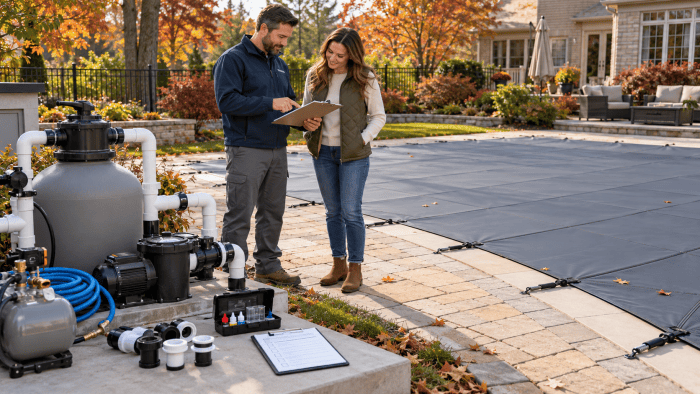
Pool winterization service commonly costs about $150 to $400 for a straightforward closing, while complex inground pools, difficult access, extra chemicals, water-feature plumbing, cover repairs, or regional labor rates can push a quote to $500 or more. Ask whether the price includes water balancing, line blowout, equipment draining, winter chemicals, cover installation, and a return visit. Compare itemized quotes—not just the headline price—and confirm the company is insured before anyone blows out or plugs your pool plumbing.
Quick answer
Pool Winterization Service Near Me Cost: 2026 Pricing Guide and Quote Checklist: Quick answer Pool winterization service commonly costs about $150 to $400 for a straightforward closing , while complex inground pools, difficult access, extra chemicals, water-feature plumbing, cover repairs, or.
What does pool winterization service cost?
For 2026 budgeting, a practical range is:
- Basic above-ground closing: roughly $150–$300 when the pool is accessible and the equipment is simple.
- Standard inground winterization: roughly $250–$500 for cleaning, chemistry, plumbing protection, equipment draining, and cover installation.
- Complex or premium closing: $500–$900 or more when the pool has multiple water features, a spa, a safety cover, difficult plumbing, a green pool, repairs, or winter monitoring.
These are planning ranges, not a universal rate card. Local labor costs, pool size, cover type, climate, and whether the company supplies chemicals can change the final price. Published service estimates also vary because some companies quote labor only while others bundle chemicals, cover hardware, and follow-up visits.
What a professional winterization service should include
Before booking, ask the company to identify each item included in writing:
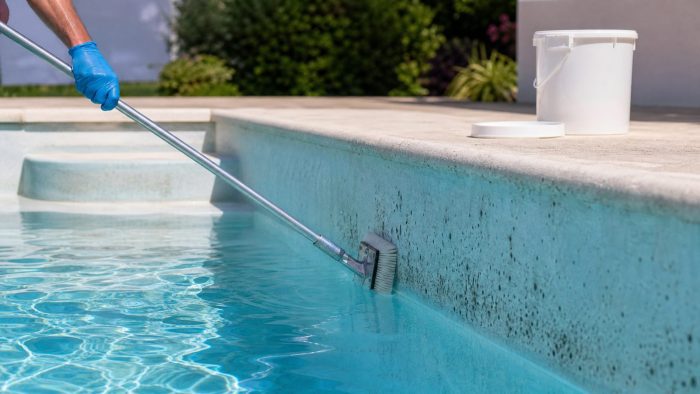
- Final cleaning: Skimming, brushing, vacuuming, and removing leaves before the cover goes on.
- Water testing and balancing: Measuring pH, alkalinity, calcium hardness, sanitizer, and—where relevant—stabilizer before adding closing chemicals.
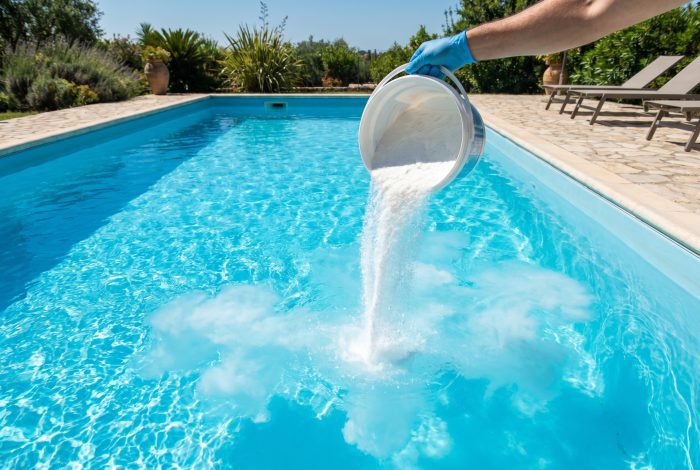
- Sanitizer treatment: A properly calculated shock or closing treatment, added according to the product label and the pool’s measured volume.
- Plumbing protection: Blowing water from suction and return lines, plugging the lines, and protecting skimmer plumbing using the pool’s equipment design.
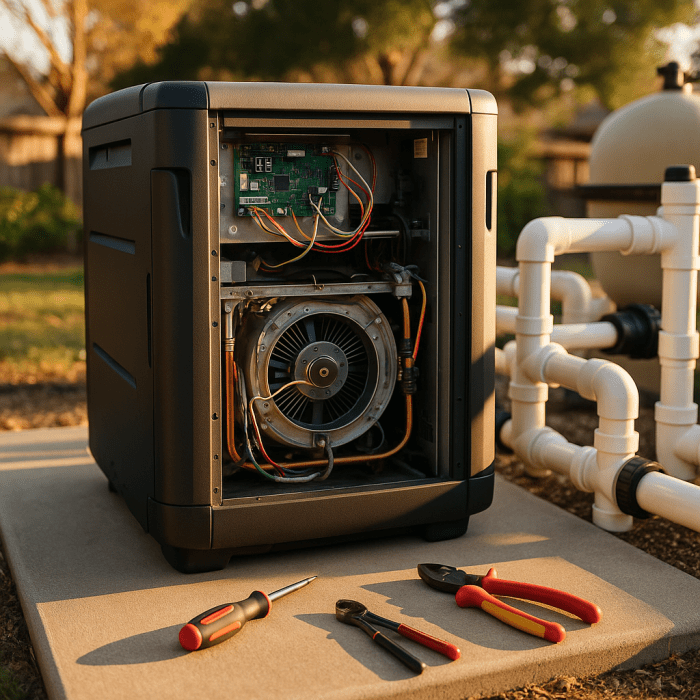
- Equipment winterization: Draining the pump, filter, heater, chlorinator, and exposed accessories according to each manufacturer’s instructions.
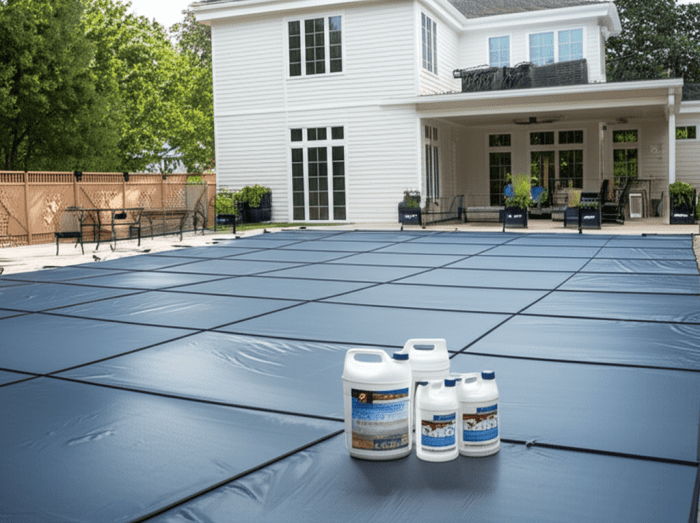
- Cover installation: Fitting the safety or winter cover, securing anchors or water bags, and checking that the cover drains as intended.
- Documentation: A short record of test results, chemicals used, equipment drained, plugs installed, and anything that needs repair before spring.
If the quote only says “close pool” without these details, ask for clarification. A low quote that omits line protection or equipment draining can become an expensive freeze-damage bill.
Why local quotes vary so much
The phrase “near me” matters because the same closing can require very different work in different areas.
Pool type and size
Above-ground pools usually have simpler plumbing and equipment. Inground pools often have long buried lines, multiple skimmers, a heater, attached spa, cleaner line, or water features that add time and risk.
Climate and freeze exposure
A mild-climate shutdown may involve a lower water level, cleaning, chemistry, and equipment draining. A hard-freeze climate typically needs a thorough line blowout, winter plugs, skimmer protection, and a cover system designed for snow and ice.
Pool condition
Algae, heavy debris, poor water balance, broken cover hardware, leaking valves, and inaccessible equipment are usually extra work. Tell the company about those issues before the visit so the estimate is realistic.
Chemicals and materials
Some companies include closing chemicals and minor supplies. Others charge separately for shock, algaecide, antifreeze where appropriate, plugs, water bags, replacement O-rings, or cover repairs. Never assume “chemicals included” means every repair or winter accessory is included.
Timing and demand
Fall closing appointments fill quickly before the first sustained freeze. Emergency or last-minute service may cost more, and a rushed closing can leave less time to correct leaks or damaged equipment.
How to compare pool winterization quotes
Use this five-question checklist when calling local pool companies:
- What exact tasks are included? Request cleaning, testing, chemistry, line protection, equipment draining, and cover work as separate line items.
- Are chemicals and replacement parts included? Ask for the allowance and the price of anything beyond it.
- Does the price cover water features, attached spas, cleaners, and heaters? These are common exclusions.
- What happens if a plug, valve, or cover component is defective? Get the hourly labor rate and trip charge before work starts.
- Is there a workmanship guarantee or winter inspection? A written follow-up policy is more useful than a vague promise.
Get at least two or three itemized quotes when time allows. The cheapest quote is not automatically the best value if it excludes plumbing blowout, equipment drainage, or cover installation.
Can you winterize a pool yourself?
Many experienced pool owners can handle cleaning, testing, chemical adjustment, and cover preparation. The higher-risk part is protecting plumbing and equipment from trapped water. If you do not know which lines connect to the skimmer, returns, cleaner, heater, and water features—or you lack the correct blower, plugs, and manufacturer instructions—hire a professional for that portion.
You can often reduce the service bill by doing the low-risk preparation first:
- Remove leaves and debris.
- Brush and vacuum the pool.
- Repair or clean the cover before the appointment.
- Put plugs, water bags, and equipment manuals beside the pool.
- Measure pool volume and test the water before the technician arrives.
Use the pool volume calculator before dosing and the chlorine calculator or pH calculator for measured adjustments. Do not guess at chemical quantities because a service appointment is scheduled.
Step-by-step: what happens during a professional closing
Step 1: Inspection and estimate
The technician identifies pool type, plumbing circuits, equipment, cover condition, and likely freeze risks.
Step 2: Cleaning
Debris is removed and the pool is brushed or vacuumed so contaminants are not sealed under the cover.
Step 3: Testing and balancing
The technician records water chemistry and adjusts it based on the actual pool volume and product directions.
Step 4: Sanitizing
Closing chemicals are added safely, with circulation time allowed when the product requires it.
Step 5: Line blowout and plugging
Water is removed from the appropriate plumbing circuits, then lines are plugged or protected using the equipment design.
Step 6: Equipment drainage
Pump, filter, heater, chlorinator, and exposed accessories are drained, opened, or stored as specified by their manufacturers.
Step 7: Cover installation
The cover is secured and checked for proper tension, drainage, and safe placement.
Step 8: Readback
The homeowner receives the test results, chemical list, equipment status, exclusions, and any repair recommendations.
Never let a technician switch a multiport valve while the pump is running. Power should be off before opening equipment, removing drain plugs, or changing plumbing positions.
What should you buy before the technician arrives?
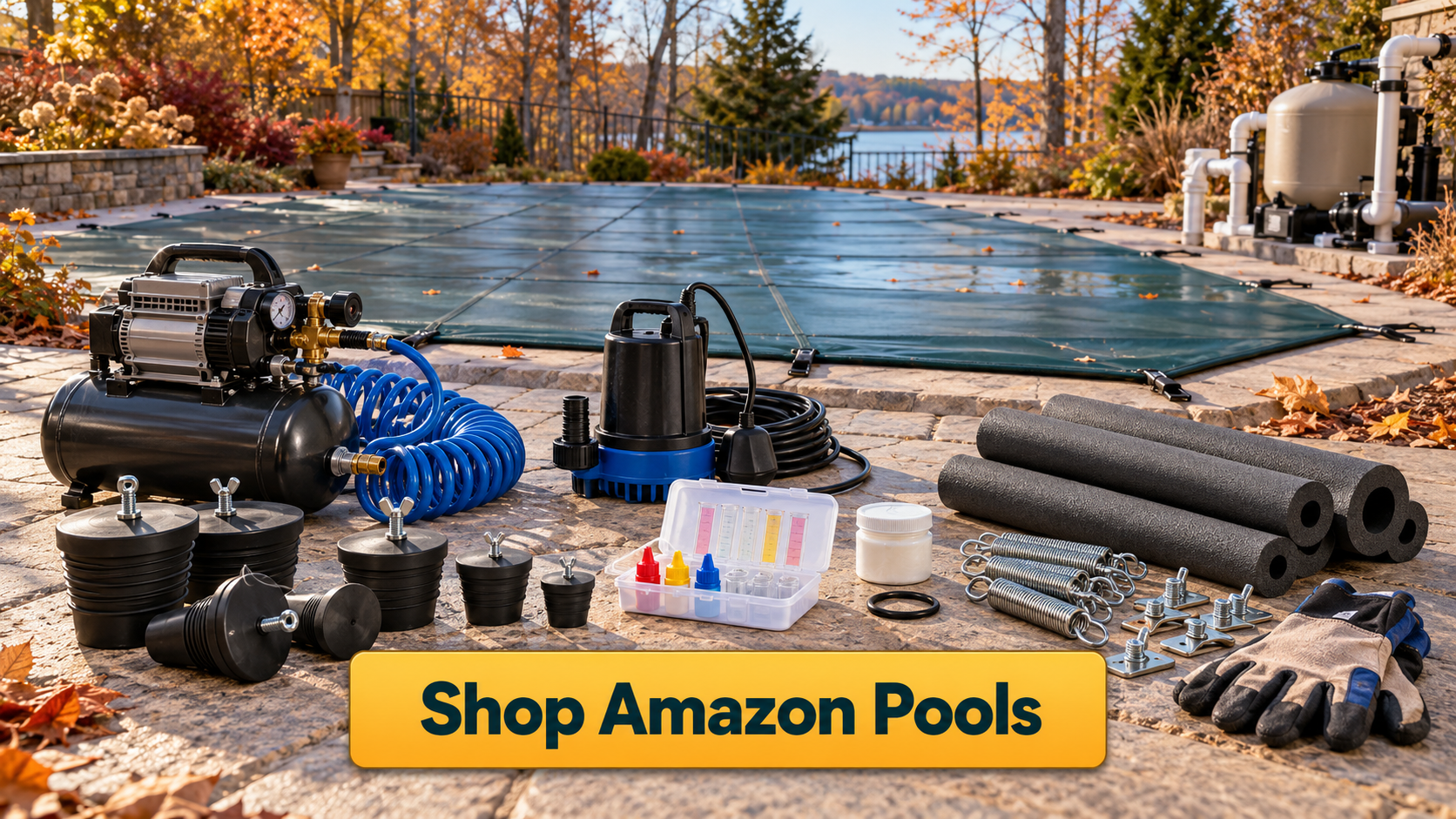
Common supplies include winterizing plugs, skimmer protection, water bags or cover anchors, a cover pump, O-ring lubricant, replacement drain-plug gaskets, pipe insulation, and a reliable test kit. Compare pool winterization supplies on Amazon when the quote excludes materials. As an Amazon Associate, Pool Chemical Calculator may earn from qualifying purchases.
Affiliate disclosure: As an Amazon Associate, Pool Chemical Calculator may earn from qualifying purchases.
FAQ
How much does pool winterization service cost near me?
Budget about $150–$400 for many routine closings, with higher prices for complex inground pools, attached spas, water features, repairs, premium covers, and high-cost labor markets. Request an itemized local quote because service definitions vary.
Is pool winterization worth paying for?
It can be, especially in a hard-freeze climate or when the pool has complicated plumbing. The cost of professional line protection and equipment drainage may be small compared with repairing a cracked filter, pump, heater, or buried plumbing line.
Does pool closing service include chemicals?
Sometimes, but not always. Ask which products and quantities are included, whether the price covers a measured water-balance adjustment, and whether extra chemicals are billed separately.
Should a pool company use antifreeze when winterizing?
Not automatically. Properly removing water and plugging lines may be sufficient for many systems. If antifreeze is used, it must be a product approved for pool plumbing and applied according to the equipment and product instructions. Never use automotive ethylene-glycol antifreeze in pool plumbing.
When should I book winterization service?
Book before the first sustained freeze and before local contractors’ calendars fill. The ideal closing temperature depends on the climate and pool type, but closing too early can leave warm water that encourages algae while closing too late increases freeze risk.
How can I avoid an unexpectedly high closing bill?
Ask for an itemized quote, disclose water features and equipment problems, confirm whether chemicals and parts are included, and request the hourly rate for repairs. Preparing the pool and gathering closing hardware can also reduce labor time.
Get exact doses for your closing
Pool chemistry is easier to manage when the dose is based on measured water volume and test results. Open the Pool Chemical Calculator app—the smart link detects iOS or Android automatically—and calculate the amount needed for chlorine, pH, alkalinity, calcium, stabilizer, and other common adjustments.
Pricing and service inclusions vary by location and pool setup. Get a written quote from a qualified, insured local professional, and follow the instructions for your specific equipment and chemicals.
Recommended pool supplies
As an Amazon Associate, Pool Chemical Calculator earns from qualifying purchases.

Accurate readings make every chlorine, pH, alkalinity, calcium, and CYA dose safer.
View on Amazon
Useful for algae cleanup, cloudy water, high bather load, and weekly oxidation routines.
View on Amazon
Raises calcium hardness to reduce corrosive water risk in plaster, concrete, and equipment.
View on AmazonGet exact pool chemical doses
Pool Chemical Calculator turns your test readings, pool volume, and target levels into exact treatment amounts for chlorine, pH, alkalinity, calcium, stabilizer, salt, and more.
Open the Pool Chemical Calculator app for iOS, Android, or web.