
Understanding the Dynamic Duo: pH and Total Alkalinity in Pool Water Maintenance
Maintaining clean and clear pool water requires careful attention to various chemical parameters, including pH and total alkalinity. These two factors play a crucial role in balancing water chemistry and ensuring optimal conditions for swimming. In this blog post, we’ll explore what pH and total alkalinity are, how they work together, and their importance in keeping pool water clean and clear.
Quick answer
Understanding the Dynamic Duo: pH and Total Alkalinity in Pool Water Maintenance: Maintaining clean and clear pool water requires careful attention to various chemical parameters, including pH and total alkalinity. These two factors play a crucial role in balancing water chemistry and ensuring.
pH and Total Alkalinity: A Brief Overview
- pH: pH is a measure of the acidity or alkalinity of a solution, ranging from 0 to 14 on the pH scale. A pH value of 7 is considered neutral, while values below 7 are acidic and values above 7 are alkaline. For pool water, the ideal pH range is typically between 7.2 and 7.6, which is slightly alkaline to ensure comfort and safety for swimmers.
- Total Alkalinity: Total alkalinity is a measure of the water’s ability to resist changes in pH, buffering against fluctuations caused by factors such as rainfall, chemical additions, and bather load. Total alkalinity acts as a stabilizing factor for pH, helping to maintain a consistent and balanced environment. The recommended total alkalinity range for pool water is typically between 80 and 120 parts per million (ppm).
How pH and Total Alkalinity Work Together
pH and total alkalinity are closely linked and work together to maintain water balance and stability in the pool. Here’s how they interact:
- pH Buffering: Total alkalinity acts as a buffer against pH fluctuations, helping to prevent rapid changes in acidity or alkalinity. When total alkalinity levels are within the recommended range, the pool water is better able to maintain a stable pH, reducing the risk of pH swings that can lead to water imbalances and discomfort for swimmers.
- pH Adjustment: Total alkalinity also influences the effectiveness of pH adjustment chemicals such as sodium bicarbonate (baking soda) and sodium carbonate (soda ash). When total alkalinity is too low, pH adjustment chemicals may cause pH to fluctuate excessively, leading to unstable water conditions. Conversely, when total alkalinity is too high, pH adjustment chemicals may be less effective at raising or lowering pH as desired.
- Water Clarity and Comfort: Maintaining proper pH and total alkalinity levels is essential for ensuring water clarity, comfort, and safety in the pool. Imbalanced water chemistry can lead to issues such as cloudy water, skin and eye irritation, and corrosion of pool equipment. By working together to stabilize pH and maintain water balance, pH and total alkalinity help create an optimal swimming environment for enjoyment and relaxation.
Tips for Maintaining pH and Total Alkalinity Levels
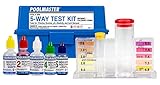
- Regular Testing: Test pool water regularly using a reliable water testing kit to monitor pH and total alkalinity levels. Aim to test at least once per week and adjust chemical levels as needed to maintain balance.
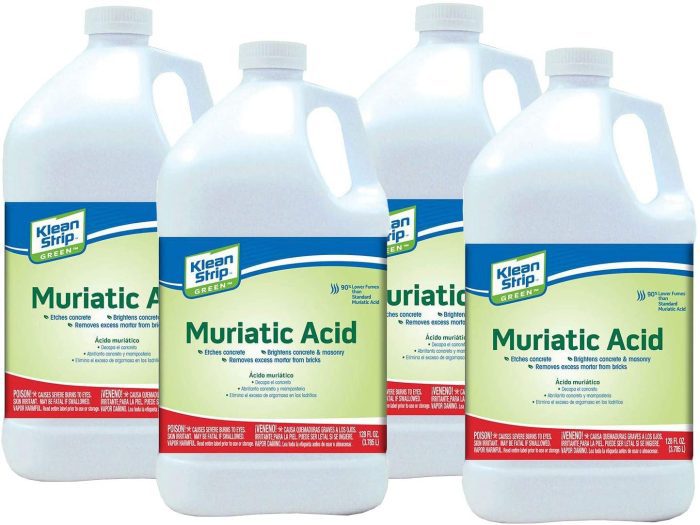
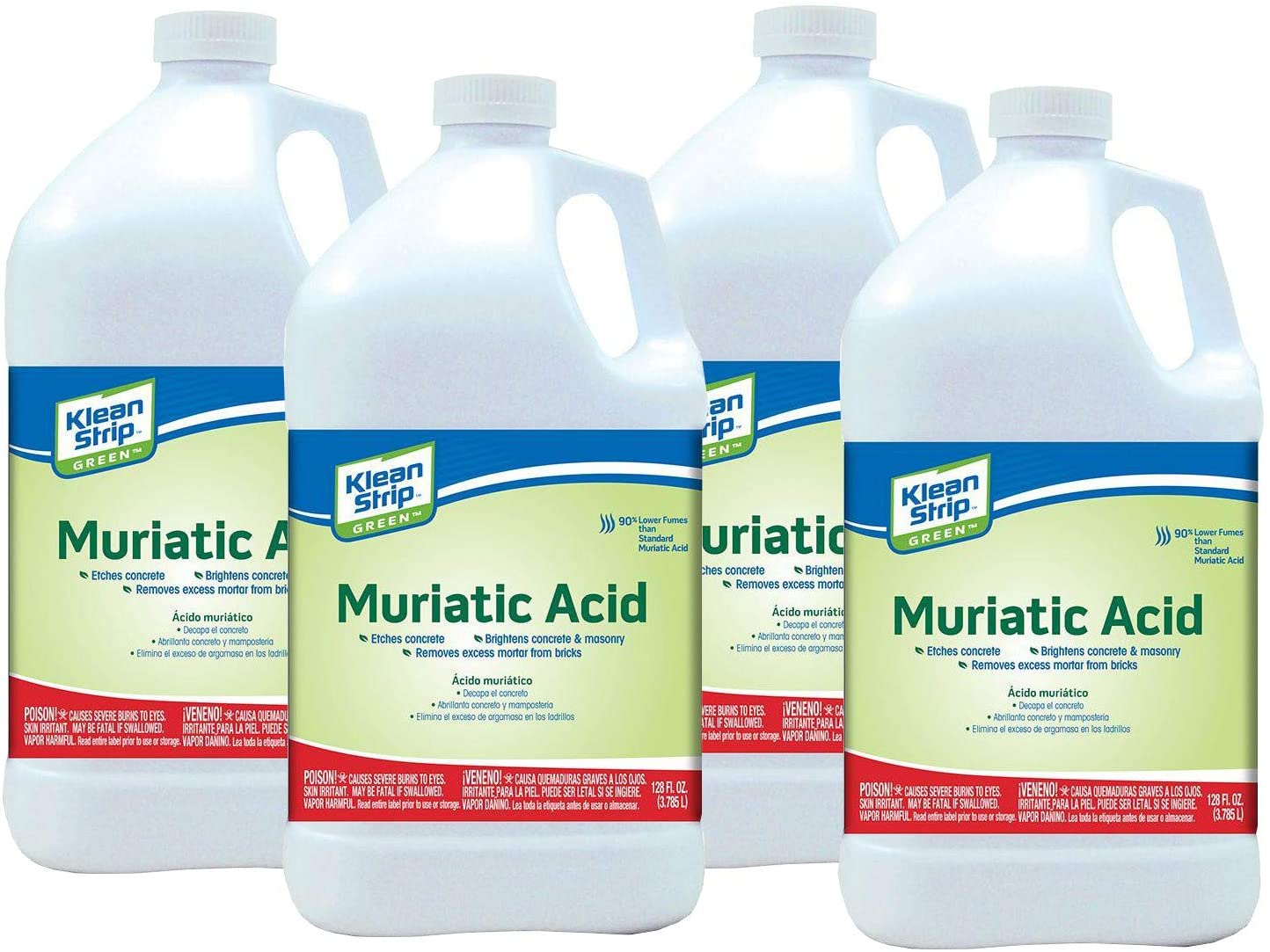
- Adjust as Needed: If pH or total alkalinity levels are outside the recommended range, use pH-adjusting chemicals such as sodium bicarbonate (to raise alkalinity) or muriatic acid (to lower alkalinity) to restore balance.
- Follow Manufacturer’s Instructions: When adding chemicals to the pool, always follow the manufacturer’s instructions carefully to ensure proper dosage and application.
- Consider Using a Stabilizer: Adding a cyanuric acid stabilizer to outdoor pools can help protect chlorine from degradation due to UV sunlight exposure, enhancing the effectiveness of chlorine as a sanitizer and reducing the need for frequent chemical adjustments.
Conclusion:
pH and total alkalinity are essential factors in maintaining clean, clear, and balanced pool water. By understanding how pH and total alkalinity work together and following proper maintenance practices, pool owners can create a comfortable and enjoyable swimming environment for themselves and their families. Regular testing, adjustment, and monitoring of pH and total alkalinity levels are key to achieving optimal water quality and ensuring a hassle-free pool ownership experience.
???? Recommended Products
Based on the topics covered in this article, here are our top product picks to help you maintain a healthy, sparkling pool:
- Dolphin Nautilus CC Plus Robotic Pool Cleaner (~$800) — Top-rated robotic cleaner with CleverClean technology — scrubs walls, waterline, and floor with zero effort from you.
- Taylor K-2006 Complete Pool Water Test Kit (~$90) — The gold standard for pool water testing — measures chlorine, pH, alkalinity, calcium hardness, and CYA with laboratory-grade accuracy.
- AquaChek 7-Way Pool & Spa Test Strips (100 ct) (~$17) — Quick and easy 7-parameter testing for chlorine, bromine, pH, alkalinity, hardness, and CYA — perfect for routine checks.
- In The Swim 3-Inch Chlorine Tablets (25 lbs) (~$70) — Slow-dissolving stabilized chlorine tablets for consistent sanitization — fits most floating dispensers and chlorinators.
- Clorox Pool&Spa pH Down (5 lbs) (~$13) — Granular sodium bisulfate for safely lowering pool pH and alkalinity — easy to measure and apply.
- Arm & Hammer Baking Soda (15 lbs) (~$15) — Pure sodium bicarbonate — the most cost-effective way to raise total alkalinity in your pool.
As an Amazon Associate, we earn from qualifying purchases. Prices are approximate and may vary.
As an Amazon Associate, Pool Chemical Calculator earns from qualifying purchases. Raises total alkalinity so pH is less likely to bounce around after treatment. Accurate readings make every chlorine, pH, alkalinity, calcium, and CYA dose safer. Slow-dissolving tablets help keep routine free chlorine steady in floaters or chlorinators.
Recommended pool supplies


Get exact pool chemical doses
Pool Chemical Calculator turns your test readings, pool volume, and target levels into exact treatment amounts for chlorine, pH, alkalinity, calcium, stabilizer, salt, and more.
Open the Pool Chemical Calculator app or download it from the App Store and Google Play.
Related posts:
 Inground vs. Above Ground Pools: Comparing Costs and Considerations for a 10,000-Gallon Pool
 DIY Pool Filter Cartridge Cleaner: Effective Solutions for a Sparkling Clean Pool
 Can You Use a Magic Eraser in a Pool Skimmer? Uncovering the Facts
 Flocking Your Pool with a Sand Filter: A Step-by-Step Guide