Pool Heater Error Codes: What They Mean and How to Fix Them
Quick Answer
Pool heater error codes are your heater’s way of telling you exactly what’s wrong. Most codes fall into six buckets: ignition or flame failure, pressure or water-flow problems, high-limit overheating, temperature sensor failure, rollout or venting faults, and communication/display errors. Start with the safe basics: confirm the pump is running, clean the filter, verify valves are open, check for obvious vent blockages, and reset power once. If the code involves gas, flame rollout, repeated ignition lockout, electrical damage, or any smell of gas, stop and call a licensed technician.
Quick answer
Pool Heater Error Codes: What They Mean and How to Fix Them: Quick Answer Pool heater error codes are your heater's way of telling you exactly what's wrong. Most codes fall into six buckets: ignition or flame failure, pressure or water-flow problems, high-limit overheating.
Why Your Pool Heater Shows Error Codes
Modern pool heaters constantly monitor flame status, water flow, exhaust temperature, water temperature, pressure switches, and control-board communication. When one of those readings falls outside a safe range, the heater shuts down and displays a code.
That code is a diagnostic clue. A Hayward IF ignition fault points somewhere different than a Hayward PS pressure-switch fault. A Jandy FLO code usually starts with circulation. A rollout or airflow code is more serious because it can involve combustion gases, blocked venting, or carbon monoxide risk.
Before you open the cabinet, remember this rule: if you smell gas, see scorch marks, hear repeated ignition attempts, or get repeated flame/rollout errors, do not keep resetting the heater. Shut it down and call a licensed technician.
The Main Pool Heater Error Code Categories
Ignition and Flame Errors
Ignition and flame codes mean the heater tried to light but failed, or it lit and then lost flame.
Common examples:
- Hayward:
IF,HS - Pentair:
E01,E02,E05 - Raypak:
IGN,FLD - Jandy:
IFL,IGN
Likely causes include a closed gas valve, empty propane tank, dirty igniter, corroded flame sensor, low gas pressure, wind blowing out the flame, or a faulty gas valve. You can safely confirm the gas valve is open, check that propane is not empty, look for obvious debris around the burner area, and inspect visible wiring for damage.
Do not adjust gas pressure, replace gas valves, bypass flame sensors, or keep cycling a heater that will not ignite. Repeated ignition lockout can allow unburned gas to accumulate.
Pressure and Flow Errors
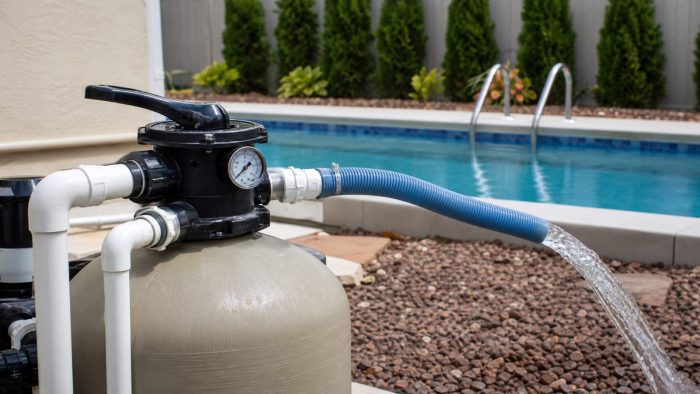
Flow errors are usually the easiest to fix. The heater will not fire unless enough water moves through the heat exchanger to carry heat away safely.
Common examples:
- Hayward:
PS,FL - Pentair:
E04,FLO - Raypak:
FL1,FL2 - Jandy:
FLO,PS
The usual culprit is a dirty filter. Other causes include a variable-speed pump running too low, clogged pump basket, air in the system, closed valves, clogged impeller, or a failing pressure switch.
Clean or backwash the filter first. If your filter pressure is 8-10 psi above the clean baseline, the heater may not get enough flow. A working pool filter pressure gauge makes this much easier to diagnose. You can also use the Pool Chemical Calculator flow rate calculator to estimate whether your pump is moving enough water for the heater.
High Limit and Overheat Errors
High-limit codes mean the heater is getting too hot internally. The safety switch shuts the unit down before the heat exchanger overheats.
Common examples:
- Hayward:
HLS,OH - Pentair:
E06 - Raypak:
HI - Jandy:
HL,HLS
Low water flow is the first thing to check. If flow is good, scale inside the heat exchanger may be trapping heat. High pH, high calcium hardness, and poor water balance accelerate scale formation. Keep pH in the 7.2-7.6 range with the pH calculator, and dose chemicals based on accurate pool volume instead of guessing.
Temperature Sensor and Thermistor Errors
Thermistors measure water temperature. If the sensor fails or the connection corrodes, the control board cannot tell whether the water is too cold, at setpoint, or overheating.
Common examples:
- Hayward:
SFS,SNS - Pentair:
E03,SNS - Raypak:
SNS,THS - Jandy:
SNS,TEMP
Check for loose connectors, corroded terminals, rodent-damaged wires, and water inside the control panel. Some thermistor replacements are straightforward, but anything inside the electrical compartment should be handled carefully. Turn off power at the breaker before inspecting.
Rollout, Airflow, and Venting Errors
Rollout and airflow codes are serious. They may mean heat or flame is escaping where it should not, or exhaust gases are not venting correctly.
Common examples:
- Hayward:
AFS,RO - Pentair:
E08 - Raypak:
BPS,AFS - Jandy:
AFS,ROL
Possible causes include a blocked vent, failed blower, cracked heat exchanger, backdrafting, poor equipment-room ventilation, or a flame rollout event. You can safely look for obvious blocked vent openings, leaves, wasp nests, or scorch marks.
Do not bypass rollout switches. Do not keep resetting rollout errors. Call a licensed technician. These faults can involve fire risk or carbon monoxide.
Communication and Display Errors
Communication codes happen when the display, control board, automation system, or wiring harness stops communicating properly.
Common examples:
- Hayward:
CE,bd - Pentair:
E07,SVC - Raypak:
EE,CON - Jandy:
COM,SER
Try one power reset at the breaker for 30 seconds. If the code returns, look for water damage, loose ribbon cables, corroded terminals, or signs of a power surge. Control boards can cost $200-500 before labor, so compare repair cost against replacement if the heater is already 8-10 years old.
Quick Reference: Pool Heater Error Code Table
| Code Category | Likely Cause | First Fix |
|—|—|—|
| Ignition/flame: IF, IGN, E01 | Gas supply, dirty igniter, flame sensor, gas pressure | Confirm gas is on, inspect visible igniter/sensor, call a tech if it repeats |
| Pressure/flow: PS, FLO, E04 | Dirty filter, low pump speed, closed valve, clogged basket | Clean filter, open valves, raise pump speed |
| High limit/overheat: HLS, OH, E06 | Low flow, heat exchanger scale, blocked exhaust | Fix flow first, check chemistry and venting |
| Sensor/thermistor: SNS, TEMP, E03 | Failed sensor, loose connector, corroded wiring | Power off, inspect connections, replace sensor if confirmed |
| Rollout/airflow: RO, AFS, E08 | Blocked vent, blower issue, heat exchanger problem | Shut down and call a licensed technician |
| Communication/display: CE, COM, E07 | Control-board issue, loose cable, water damage | Power cycle once, inspect visible board connections |
Step-by-Step Pool Heater Error Code Troubleshooting
Step 1: Shut the Heater Down Safely
Turn the heater off at the control panel, then turn power off at the breaker before opening any access panel. If you smell gas, leave the area, avoid switches or flames, shut off gas only if it is safe to do so, and call the gas utility or a licensed technician.
Step 2: Record the Exact Error Code
Take a photo of the display and write down the brand and model number. Do not rely on memory. FLO, FL, FL1, and IFL look similar but point to different problems on different heaters.
Step 3: Check Pump, Filter, and Valves
Make sure the pump is running, the pump basket is full of water, the skimmer and pump baskets are clean, and all suction/return valves are open. Clean or backwash the filter if the pressure is 8-10 psi above its clean reading. If you use a variable-speed pump, raise the speed temporarily and see whether the flow code clears.
Step 4: Confirm Water Chemistry Is Not Causing Scale or Corrosion
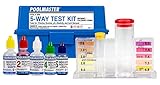
Test pH, chlorine, alkalinity, calcium hardness, and cyanuric acid. Bad chemistry can damage sensors, scale heat exchangers, and trigger high-limit faults. Use a reliable pool water test kit, then calculate exact additions with the Pool Chemical Calculator app. The chlorine calculator is useful when sanitizer is low after several heater restart attempts and long pump runtime.
Step 5: Inspect Venting and Exterior Openings
Look around the heater for leaves, rodent nests, wasp nests, blocked vents, damaged exhaust parts, or scorch marks. Clear only loose debris from the outside. If you see melted plastic, soot, burn marks, or get any rollout/airflow code, shut the heater down and call a licensed technician.
Step 6: Power Cycle the Heater One Time
After the basic checks, restore power and reset the heater once. A single reset can clear a soft lockout after a brief flow issue or power glitch. If the same code returns immediately, do not keep resetting. The heater is telling you the fault is still active.
Step 7: Decide Whether It Is DIY or Technician Work
DIY stops at cleaning filters, opening valves, confirming pump speed, clearing obvious exterior debris, checking visible wiring, and balancing water. Call a licensed technician for gas adjustments, electrical repairs, control-board replacement, heat exchanger inspection, pressure-switch replacement if you are not trained, repeated ignition lockouts, and all rollout/flame errors.
Common Fixes by Symptom
Heater Says Flow Error but Water Is Moving
The pump can move some water and still not move enough for the heater. Raise variable-speed pump RPM, clean the filter, check bypass valves, and confirm return flow is strong. If you are unsure whether the pump is sized correctly, compare your turnover needs with the flow rate calculator.
Heater Ignites, Then Shuts Off
This often points to flame-sensing trouble, low gas pressure, blocked burner ports, or a venting issue. You can verify gas supply and check for obvious debris, but repeated ignition failures belong to a technician.
Heater Runs, Then Trips High Limit
Start with filter pressure and flow. Then check chemistry. High pH and high calcium hardness can leave scale inside the heat exchanger, which traps heat and causes shutdowns. A filter cartridge cleaning tool helps keep cartridge filters from starving the heater.
Display Is Blank or Shows Communication Error
Check the breaker, GFCI, disconnect, and any automation panel. If power is good and the display still fails, the issue may be a control board, transformer, display module, or communication cable.
Preventing Heater Error Codes
Most pool heater problems start with poor flow, poor chemistry, or neglected venting.
Keep the filter clean, empty pump and skimmer baskets weekly, inspect vent openings before heating season, and test water chemistry at least weekly. If you heat the pool often, calculate heat timing with the heat time calculator so you are not running the heater longer than needed.
For chemistry, do not estimate doses from memory. Use the Pool Chemical Calculator app with your actual pool gallons. Correct dosing protects the heater from scale, corrosion, and unnecessary service calls.
Frequently Asked Questions
How do I reset a pool heater after an error code?
Turn the heater off, wait a few minutes, then turn power off at the breaker for 30 seconds. Restore power and try one restart. If the same code returns, stop resetting and fix the underlying problem.
Why does my pool heater show a flow error when the pump is running?
The pump may be running but not moving enough water through the heater. Dirty filters, low variable-speed pump RPM, closed valves, clogged baskets, air leaks, and clogged impellers can all reduce flow enough to trip the pressure or flow switch.
Can I bypass the pressure switch to make the heater run?
No. Never bypass a pressure switch, high-limit switch, rollout switch, or flame sensor. Those switches prevent overheating, fire, carbon monoxide hazards, and cracked heat exchangers. Fix the flow or safety problem instead.
What pool heater error codes require a professional?
Call a licensed technician for repeated ignition lockouts, rollout errors, airflow errors, gas smell, scorch marks, heat exchanger issues, gas valve work, burner adjustments, control-board replacement, or any electrical repair you are not trained to perform.
Is it cheaper to repair or replace a pool heater?
Small parts like sensors, pressure switches, and igniters often cost $150-400 installed. Control boards, heat exchangers, and gas valves can run $400-1,000 or more. If the heater is over 8-10 years old and repair cost is more than half the installed price of a replacement, replacement usually makes more sense.
Keep Your Heater from Becoming an Expensive Mystery
Error codes are annoying, but they are better than silent failures. They tell you where to look before a small flow issue becomes a cracked heat exchanger or a dangerous combustion problem.
For the owner-maintenance side, the biggest wins are clean filters, accurate water testing, and balanced chemistry. Download the Pool Chemical Calculator app to calculate exact chemical doses from your real test readings and pool volume. It is the simplest way to protect your heater from scale, corrosion, and preventable shutdowns.
As an Amazon Associate, Pool Chemical Calculator earns from qualifying purchases. Accurate readings make every chlorine, pH, alkalinity, calcium, and CYA dose safer. Raises calcium hardness to reduce corrosive water risk in plaster, concrete, and equipment. A clean cartridge improves circulation and helps cloudy water clear faster.Recommended pool supplies


Get exact pool chemical doses
Pool Chemical Calculator turns your test readings, pool volume, and target levels into exact treatment amounts for chlorine, pH, alkalinity, calcium, stabilizer, salt, and more.
Open the Pool Chemical Calculator app for iOS, Android, or web.