Dynamic Head (TDH)
Calculate Total Dynamic Head to size your pump correctly.
TDH = (Hg × 1.13) + (PSI × 2.31)
What is Total Dynamic Head?
Total Dynamic Head (TDH), measured in feet of head, is the sum of all resistance in your plumbing system. It includes friction from pipes, elbows, and valves, plus the physical height the water must be lifted. Think of it as the "blood pressure" of your pool circulation.
Why TDH Matters
Every pump has a unique "Pump Curve." As TDH increases, the pump's ability to move water (GPM) decreases correctly. If you don't know your TDH, you cannot accurately select the right pump or set the correct speed on a Variable Speed pump.
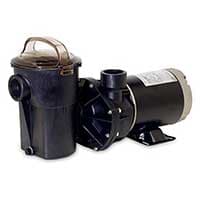
Above-Ground Pool Pump
High performance pump.
As an Amazon Associate, we earn from qualifying purchases.
How to Measure TDH
An approximate way to measure TDH is using pressure gauges. Combine the Vacuum (suction side) and Pressure (return side) readings. 1 PSI ≈ 2.31 ft of head. 1 inch Hg ≈ 1.13 ft of head.
Resistance Sources
Dirty filters are the #1 cause of variable high TDH. Other sources include long pipe runs, too many 90-degree elbows, small pipe diameter (1.5" vs 2"), and equipment restrictions like heaters or salt cells.
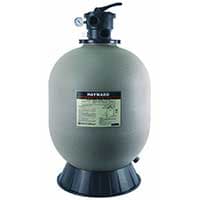
Sand Pool Filter
24" In-Ground Sand Filter.
As an Amazon Associate, we earn from qualifying purchases.
Higher Energy Costs
High resistance forces the pump to work harder. On a single speed pump, flow drops drastically. On a variable speed pump, it has to spin faster (using more watts) to maintain the same flow rate, costing you money.
Optimal Pump Selection
Always check the manufacturer's performance curve. A 1.5 HP pump from one brand might move 80 GPM at 40ft of head, while another moves only 60 GPM. Match the pump to your pool's specific TDH.
Go Pro with Mobile
Calculate Total Dynamic Head accurately in the field. Ensure your pump is operating at peak efficiency.