
How Much Ice Can a Pool Cover Hold? A Safe Winter Guide
Quick answer
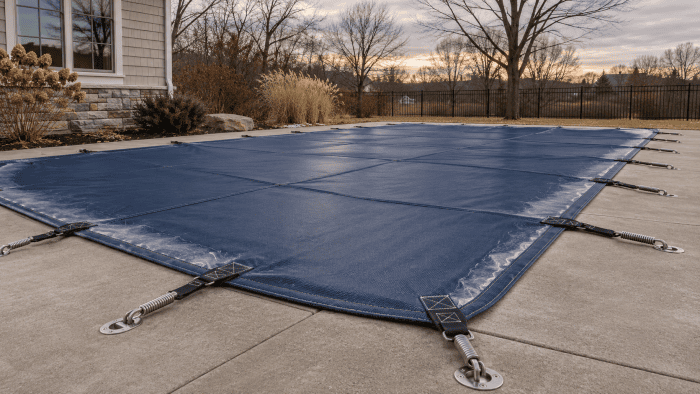
There is no universal “safe number of inches” of ice for a pool cover. The limit depends on the cover type, condition, span, anchors or tracks, and—most importantly—the water level supporting it. Treat visible ice as a load warning, not a weight rating: do not walk on it, chop it, shovel it, or pull it off unless the cover manufacturer specifically gives you a safe procedure. Keep the pool at the manufacturer’s winter water level, inspect from the deck, and let ice melt naturally before pumping liquid water from a solid cover.
Quick answer
How Much Ice Can a Pool Cover Hold? A Safe Winter Guide: Quick answer There is no universal “safe number of inches” of ice for a pool cover. The limit depends on the cover type, condition, span, anchors or tracks, and—most importantly—the water level supporting it. Treat.
Why ice can damage a pool cover
Ice is heavy and expands as it freezes. A frozen layer can also bond to the fabric and develop sharp edges as it shifts during thawing. On a properly supported safety cover, the pool water helps carry the load. If the water level drops because of a leak or winter drainage, that support disappears and the load can transfer to fabric, springs, anchors, tracks, coping, or the pool wall.
That is why manufacturers do not publish one safe ice thickness for every cover. A spring-loaded safety cover, a solid tarp held by water tubes, an automatic cover, and an above-ground winter cover are different systems with different limits. A solar blanket is not a safety cover, and a loose winter tarp should never be treated as a walking surface.
What to do when ice forms on the cover
Step 1: Keep people and pets off the cover
Never walk, crawl, stand, or place a ladder on a cover carrying ice or snow. A cover can look firm while the water below, fabric, anchors, or ice are unsafe. Keep children, pets, and visitors away from the pool area until the load is gone.
Step 2: Identify the cover and check its instructions
Find the cover model, installation manual, and warranty guidance. Look for instructions about winter water level, automatic-cover operation, cover pumps, snow and ice, and inspection intervals. If you cannot identify the cover or see sagging, torn fabric, pulled anchors, exposed tracks, or a falling water level, call the installer or a qualified pool professional.
Step 3: Check the pool water level without disturbing the ice
Use the manufacturer’s reference point, not a generic internet number. Many in-ground safety-cover systems require the water to remain close enough to support the cover; some manufacturers specify no more than about 18 inches below the deck, while automatic-cover systems may specify the bottom of the skimmer mouth or another exact level. Do not drain water simply to make room for ice.
If the level is unexpectedly low, suspect a leak and get advice before adding or removing water. Adding water may relieve stress under a cover, but the correct level depends on the pool, cover, liner, and winterization instructions.
Step 4: Do not break, shovel, or drag the ice
Breaking ice with a pole, shovel, rake, axe, or broom can puncture fabric, cut vinyl, damage anchors, or send sharp pieces into the pool. Pulling a frozen sheet can load one side of the cover and tracks. Leave snow and ice alone unless the manufacturer provides a specific, safe tool and procedure for your exact cover.
Step 5: Manage meltwater after the ice releases
When temperatures rise, inspect from the deck. Keep a cover pump ready for liquid water on a solid cover, but do not run an automatic cover motor while ice, snow, or standing water is on it unless the manual explicitly permits that operation. Keep pump intakes, drains, and discharge paths clear, and direct water where local rules allow.
For chemistry decisions after winter weather, use the Pool Chemical Calculator app and test the water before adding chemicals. Never mix pool chemicals, and follow each product label.
How much weight is ice?
Ice thickness alone is a poor way to judge risk because wet snow, trapped water, wind, and uneven loading all add stress. As a rough physics reference, one inch of water spread over one square foot weighs about 5.2 pounds; ice is slightly lighter by volume, but a large frozen sheet still creates a substantial load across a cover. A 20-by-40-foot pool has 800 square feet, so even a thin, uniform layer can represent thousands of pounds across the system. That is an explanation of why the load matters—not a cover rating or permission to test it.
Prevention before the next freeze
- Maintain the water level required by the cover manufacturer and check it periodically during winter.
- Remove leaves and loose debris before freezing weather, using only tools approved for the cover.
- Keep automatic-cover tracks, drains, and cover-pump areas clear.
- Repair tears, loose anchors, broken springs, or a leaking pool before winter.
- Use a properly sized winter cover or ASTM-rated safety cover; do not substitute a solar blanket.
- Keep a reliable cover pump and water-test supplies available. A submersible pool cover pump can help remove liquid meltwater from a compatible solid cover.
- If you use an air pillow on an above-ground pool, follow the cover manufacturer’s installation instructions; it is not a support rating for the cover.
When to call a professional
Get help promptly if the cover is sagging into the pool, anchors or tracks are pulling loose, the fabric is torn, the pool water level is falling, the cover pump or wiring is unsafe, or ice is frozen to a motorized cover. Do not climb onto the cover to investigate. A professional can inspect the cover system from a safe position and check for a leak or structural damage.
Frequently Asked Questions
Can a pool cover collapse under ice?
Yes. A cover can be damaged or collapse when its support is inadequate, the cover is not rated for the conditions, water level drops, or snow and ice accumulate beyond the system’s design. Never assume a cover is safe because it held last winter.
Should I remove ice from my pool cover?
Usually no. Many cover manufacturers specifically warn against breaking or removing snow and ice because the work can injure you or damage the cover. Follow the exact instructions for your cover, and call the installer if the load looks excessive or the cover is moving.
Does a pool cover keep someone from falling through ice?
No. A pool cover is not a floor, and a winter cover is not automatically a safety cover. Keep people and pets away from the cover and secure the pool area with appropriate barriers.
Should I lower the pool water level before a snowstorm?
Do not lower it based on a generic rule. The correct winter level is cover- and pool-specific, and water under the cover often provides critical support. Use the manufacturer’s instructions or ask the installer.
Can I run my automatic cover with ice on it?
Do not operate a motorized cover while ice, snow, or standing water is on it unless the manufacturer explicitly says it is safe. Ice and excess weight can damage the fabric, tracks, coping, or motor.
Bottom line
There is no universal ice-thickness limit for a pool cover. Keep the water at the specified support level, stay off the cover, never chop or drag frozen buildup, and let it melt before safely managing liquid water. If the cover, tracks, anchors, or water level look wrong, stop and call a professional.
Recommended pool supplies
As an Amazon Associate, Pool Chemical Calculator earns from qualifying purchases.
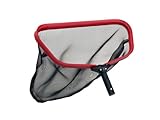
Removes leaves and debris before they consume chlorine and stain the pool.
View on Amazon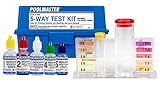
Accurate readings make every chlorine, pH, alkalinity, calcium, and CYA dose safer.
View on Amazon
Works with brushes, nets, and vac heads for everyday cleaning and service-route work.
View on Amazon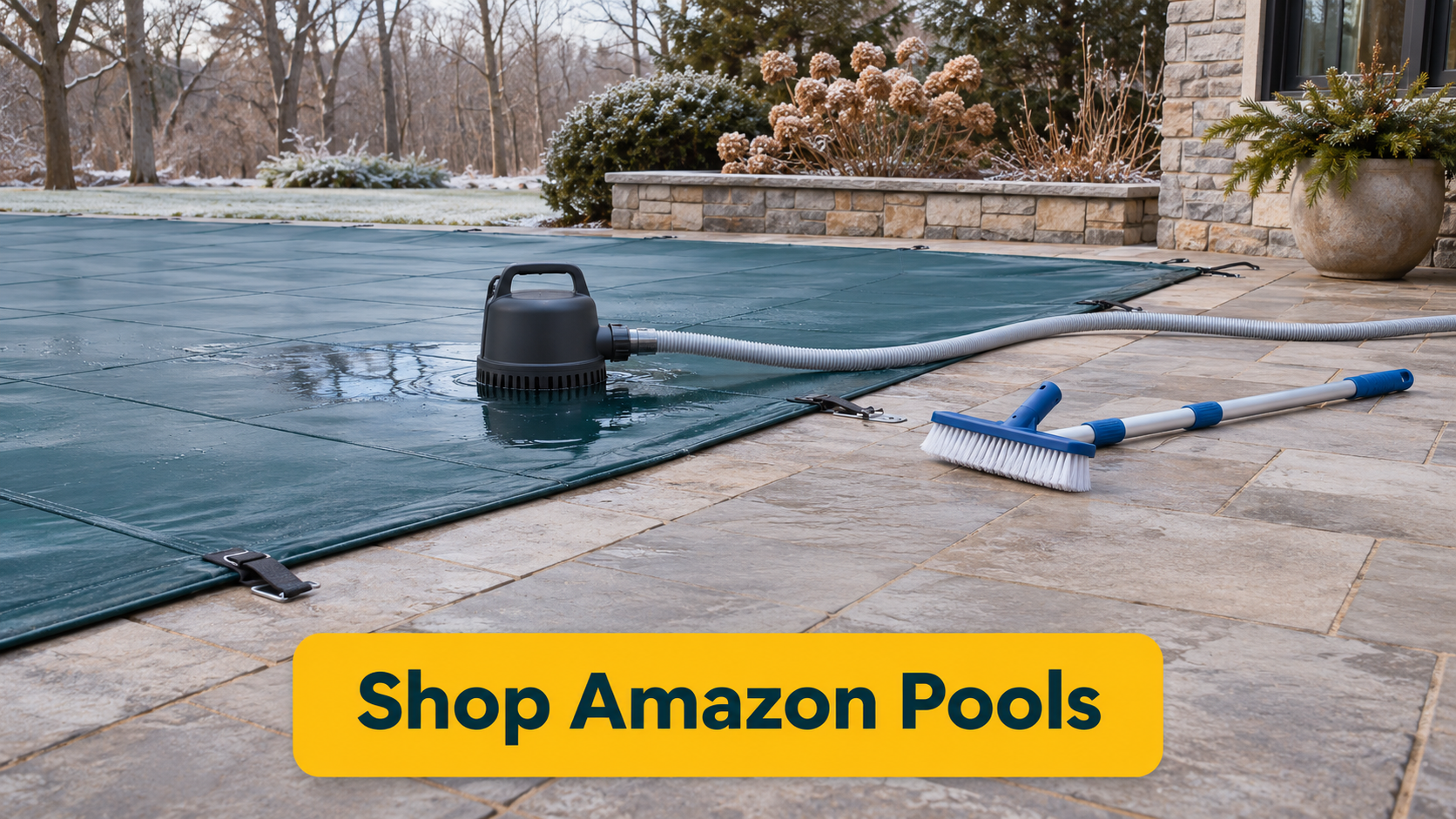
Get exact pool chemical doses
Pool Chemical Calculator turns your test readings, pool volume, and target levels into exact treatment amounts for chlorine, pH, alkalinity, calcium, stabilizer, salt, and more.
Open the Pool Chemical Calculator app for iOS, Android, or web.