
How Long After Algaecide Can You Swim? A Complete Guide to Safe Wait Times
Quick Answer
You just dumped algaecide into your pool to knock out that green invader, and now your kids are asking when they can jump back in. It’s a fair question — and the answer isn’t as simple as “wait 20 minutes.” How long after algaecide can you swim depends on several factors: the type of algaecide you used, your pool size, how fast your pump circulates water, and whether you followed the dosing instructions correctly.
Quick answer
How Long After Algaecide Can You Swim? A Complete Guide to Safe Wait Times: Quick Answer You just dumped algaecide into your pool to knock out that green invader, and now your kids are asking when they can jump back in. It's a fair question — and the answer isn't as simple as "wait 20.
Here’s the short version: most polyquat (non-metallic) algaecides require just 15-30 minutes of circulation before swimming. Copper-based algaecides? You’re looking at 4-6 hours minimum. But there’s more to it than that, and swimming too soon can cause skin irritation, eye redness, and that uncomfortable itchy feeling nobody wants.
Let’s break down exactly what affects your wait time — and give you a practical way to estimate it for your specific situation.
What We Analyzed: Pool Algaecide Swim-Ready Estimator
We created a scenario matrix to help you estimate your safe swim time based on four key variables. This isn’t a replacement for your product label (always check that first), but it gives you a framework when labels are vague or you’ve tossed the packaging.
How This Estimator Works
The matrix combines baseline wait times for different algaecide types with adjustments for pool volume and pump circulation speed. Larger pools need more time for complete chemical dispersion. Faster pump turnover rates reduce wait times because the water cycles through more quickly.
Methodology: We aggregated manufacturer recommendations across popular algaecide brands to establish baseline waiting periods for each chemical type. We then applied logical adjustments based on pool volume (larger pools = longer dispersion) and pump turnover rate (faster circulation = shorter wait). Dosage level (maintenance vs. initial treatment) shifts the estimate toward the higher or lower end of each range.
Limitations: This is an estimation tool, not a precise scientific calculation. It can’t account for every variable — wind, water temperature, how you added the chemical, or your specific product’s formulation. Always defer to your product label when available.
Swim-Ready Time Scenarios
| Algaecide Type | Pool Volume | Pump Turnover | Dosage Level | Estimated Wait Time |
|—————-|————-|—————|————–|———————|
| Polyquat/Non-Metallic | 15,000 gallons | Fast (4-6 hrs) | Maintenance | 15-20 minutes |
| Polyquat/Non-Metallic | 25,000 gallons | Medium (6-8 hrs) | Initial Treatment | 30-45 minutes |
| Polyquat/Non-Metallic | 40,000 gallons | Slow (8-12 hrs) | Initial Treatment | 45-60 minutes |
| Copper-Based | 15,000 gallons | Fast (4-6 hrs) | Maintenance | 2-4 hours |
| Copper-Based | 20,000 gallons | Medium (6-8 hrs) | Initial Treatment | 4-6 hours |
| Copper-Based | 35,000 gallons | Slow (8-12 hrs) | Initial Treatment | 6+ hours (consult label) |
| Quaternary Ammonium (Quat) | 18,000 gallons | Medium (6-8 hrs) | Maintenance | 20-30 minutes |
| Silver-Based/Combination | 20,000 gallons | Medium (6-8 hrs) | Initial Treatment | 4-6 hours |
How to use this table: Find your algaecide type on the label (it’s usually listed under “active ingredients”). Estimate your pool volume if you don’t know it — a typical residential pool runs 15,000-25,000 gallons. Check your pump’s specs for turnover rate, or use “medium” as a default for most standard pool pumps.
Why Different Algaecides Have Different Wait Times
Not all algaecides are created equal. The chemicals inside determine how quickly they disperse and how they interact with your skin and eyes.
Polyquat and Non-Metallic Algaecides
These are the swimmers’ friends. Polyquat algaecides (polymeric quaternary ammonium compounds) work by disrupting algae cell membranes without leaving metal residues in your water. They’re gentle on pool surfaces, won’t stain, and dissipate quickly.
A product like In The Swim Super Algaecide falls into this category. The wait time is short — typically 15-30 minutes with the pump running — because these compounds spread evenly and don’t concentrate in ways that irritate swimmers.
Why the short wait? Polyquat molecules are relatively large and don’t penetrate skin easily. Once diluted throughout your pool water, the concentration drops to safe levels fast.
Copper-Based Algaecides
Copper algaecides pack a stronger punch against stubborn algae blooms. The copper ions kill algae by disrupting their photosynthesis and enzyme function. Effective? Absolutely. Quick to disperse? Not so much.
Copper needs 4-6 hours minimum to distribute evenly and for concentration levels to stabilize. Swimming too soon can cause:
- Green-tinted hair (especially for blondes)
- Skin irritation and dryness
- Eye redness that lasts hours
- Metallic taste if water gets in your mouth
Why the long wait? Copper ions are heavier and tend to settle or concentrate in certain areas before full circulation. Your body also reacts more strongly to metal exposure than to organic compounds.
Quaternary Ammonium (Quat) Algaecides
Standard quat algaecides sit between polyquat and copper in terms of wait time. They’re effective and affordable, but they can cause foaming if overdosed or mixed with high chlorine levels. Wait 20-30 minutes, and watch for foam — if you see suds on the surface, extend your wait until they dissipate.
Factors That Affect Your Actual Wait Time
The scenario matrix gives you a starting point, but your real-world wait time depends on how these factors combine.
Pool Volume and Shape
A 40,000-gallon pool takes longer to circulate than a 15,000-gallon pool. That’s physics. But shape matters too — kidney-shaped pools with dead spots (areas with poor circulation) need extra time compared to rectangular pools with returns positioned for full coverage.
Quick volume estimate: Length × Width × Average Depth × 7.5 = gallons for rectangular pools.
Pump Circulation and Turnover Rate
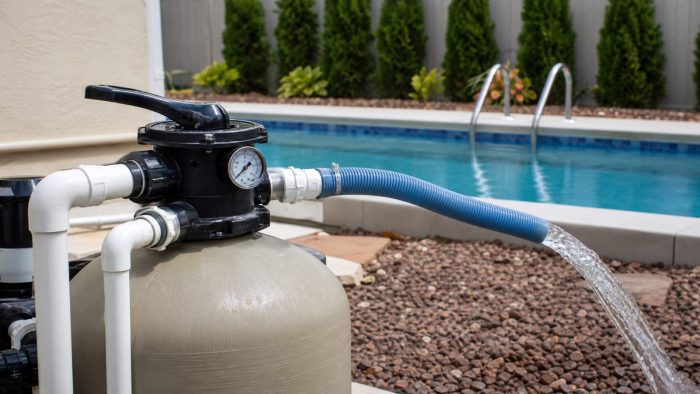
Your pump’s turnover rate tells you how long it takes to cycle all your pool water through the filter once. A pump that turns over a 20,000-gallon pool in 6 hours moves water twice as fast as one that takes 12 hours.
For algaecide dispersion, you want at least one full turnover after adding chemicals. If your pump cycles the pool in 8 hours, running it for 30 minutes only circulates about 6% of your water. That’s not enough for even distribution.
Practical tip: Add algaecide near a return jet, not in a corner. This helps the chemical mix into the circulating water immediately.
Where and How You Added the Algaecide
Dumping the entire bottle in one spot creates a concentrated chemical zone. That area stays “hot” longer than if you’d walked the pool perimeter, pouring slowly.
The ideal method: Pour algaecide around the pool’s perimeter while the pump runs, focusing near return jets. This jump-starts distribution and reduces localized concentration.
Recent Shock Treatment
Here’s where timing gets tricky. If you’ve recently shocked your pool, high chlorine levels can react with certain algaecides — particularly quats — causing foaming, cloudiness, or reduced effectiveness.
The proper sequence:
- Shock your pool first
- Wait until free chlorine drops below 5 ppm (usually 24-48 hours)
- Add algaecide
- Wait the appropriate time based on algaecide type
- Swim
Adding algaecide to a freshly shocked pool with chlorine above 5 ppm wastes product and extends your wait time because you’ll need to deal with the foam or cloudiness.
Step-by-Step Swim-Safety Checklist
Step 1: Identify the algaecide type
Read the active ingredient on the bottle. Polyquat and non-metallic algaecides usually need the shortest wait. Copper-based, silver-based, and combination treatments need longer circulation before swimming.
Step 2: Run the pump continuously
Keep the pump on from the moment you add algaecide until swim time. Use at least 30 minutes for polyquat products, 2 hours for standard quat products, and 4-6 hours for copper-based products unless the label says longer.
Step 3: Check the water before anyone gets in
Do not swim if the water is foamy, cloudy, strongly colored, or still has visible algae clumps. Test free chlorine and pH first; normal swimming targets are 1-3 ppm free chlorine and pH around 7.2-7.6.
Step 4: Extend the wait after shock or overdose
If you shocked recently, wait until free chlorine is below 5 ppm before relying on the algaecide timing. If you overdosed algaecide, run the pump for 24 hours and wait until foam or cloudiness clears.
What Happens If You Swim Too Soon?
Jumping in early isn’t dangerous in a life-threatening way, but it’s uncomfortable and potentially irritating.
Skin Reactions
Concentrated algaecide, especially copper-based formulas, can dry out your skin and cause itching. Some swimmers report rash-like redness that takes hours to fade. Kids with sensitive skin are more susceptible.
Eye Irritation
Your eyes are more sensitive than your skin. Swimming through a pocket of undispersed algaecide can cause burning, redness, and watering that lasts longer than typical “chlorine eyes.”
Hair Discoloration
Copper algaecides are notorious for turning blonde or light-colored hair greenish. This happens when copper ions bond to the protein in your hair shaft. It’s not permanent, but it requires special clarifying shampoos to remove.
Reduced Algaecide Effectiveness
Here’s one people don’t consider: swimming too soon stirs up the water in ways that can affect distribution. Body oils, sunscreen, and organic matter from swimmers also interact with fresh algaecide, potentially reducing its effectiveness against the algae you’re trying to kill.
How to Confirm It’s Safe to Swim
Unlike chlorine and pH, you can’t easily test for algaecide concentration with standard home test kits. So how do you know it’s safe?
Visual Checks
- Clarity: Water should be clear, not cloudy. Cloudiness after algaecide often indicates a chemical reaction (usually with high chlorine) or overdosing.
- No foam: Surface foam means the algaecide hasn’t fully dispersed or reacted with something in the water. Wait until it clears.
- Color: Water should look normal. Green tint could mean the algaecide is still concentrated or that the algae isn’t dead yet.
Time-Based Confidence
If you’ve waited the recommended time for your algaecide type AND run the pump continuously during that period, you’re almost certainly safe. The combination of time + circulation is your best indicator.
Test Other Parameters
While you can’t test algaecide levels directly, test what you can:
- Free chlorine: Should be 1-3 ppm for normal swimming
- pH: Keep it between 7.2-7.6
- Copper (if using copper algaecide): Use a copper test kit to ensure levels are below 0.3 ppm
A good practice: keep a comprehensive test kit like the Taylor K-2006 on hand. It won’t test for algaecide specifically, but it confirms your other chemistry is swim-ready.
Special Situations and Edge Cases
Using Algaecide During an Active Bloom
Treating a green pool is different from maintenance dosing. Active algae treatment requires higher algaecide concentrations, which means longer wait times. Double your normal estimate and watch for the algae to die (it’ll turn gray or white) before swimming.
Accidentally Overdosed
More algaecide doesn’t mean faster results. Overdosing causes foaming, potential staining (with copper types), and extended wait times. If you’ve poured in too much:
- Run the pump continuously for at least 24 hours
- Consider a partial water replacement if foaming persists
- Wait until all foam clears before swimming
Indoor Pools
Indoor pools have less UV exposure, which affects how quickly some algaecides break down. Copper-based products persist longer in indoor environments. Add an extra hour to your wait time for indoor pools.
Hot Tubs and Spas
Hot tubs have much smaller volumes but higher water temperatures, which can accelerate chemical reactions. Most manufacturers recommend the same wait times regardless of volume, but concentrated chemicals in 400 gallons feel different than in 20,000 gallons. When in doubt, wait longer.
Frequently Asked Questions
Can I add algaecide and shock at the same time?
No — and this is one of the most common mistakes pool owners make. Shock treatments (especially chlorine-based) can neutralize many algaecide types, making them less effective. The high chlorine also reacts with quat algaecides to create foam. Always shock first, wait 24-48 hours until chlorine drops below 5 ppm, then add algaecide.
Is it safe to swim with algaecide in the pool?
Yes, once properly dispersed. Algaecide at correct concentrations is designed to coexist with swimmers. The concern is swimming before the chemical has spread evenly — concentrated pockets can cause irritation. After the appropriate wait time with continuous circulation, the diluted algaecide poses no health risk.
How long should I run my pump after adding algaecide?
Run your pump for at least one full turnover cycle after adding any algaecide. For most residential pools, that’s 6-8 hours. At minimum, run it for 2 hours for polyquat types and 6 hours for copper-based formulas. Leaving the pump off after adding algaecide results in uneven distribution and potentially unsafe concentration pockets.
Why did my pool foam after adding algaecide?
Foaming typically happens for three reasons: you added too much algaecide, you added algaecide while chlorine levels were still high from recent shocking, or you used a quat-based algaecide (which tends to foam more than polyquat). Wait for the foam to clear naturally — it usually takes 12-24 hours with the pump running. Don’t swim until the foam is gone.
Does rain affect how long I should wait after adding algaecide?
Rain dilutes your pool water, which can reduce algaecide concentration below effective levels. If it rains heavily within a few hours of adding algaecide, you may need to add more later. The rain itself doesn’t extend your swim wait time — if anything, dilution makes the water safer faster. But check your chemistry afterward.
Sources
- Pool People: How Long After Adding Pool Chemicals Can I Swim — Comprehensive overview of chemical wait times including algaecide
- In The Swim: Swimming After Adding Pool Chemicals — Detailed breakdown by chemical type with specific time recommendations
- Sun Pool and Spas: Wait Times Between Pool Chemicals — Guidance on sequencing multiple chemical treatments
Ready to Calculate Your Pool Chemistry?
Knowing when to swim after algaecide is just one piece of the puzzle. For help calculating exact chemical doses for your pool size, balancing pH and chlorine levels, and troubleshooting common water problems, visit Pool Chemical Calculator. Our free tools take the guesswork out of pool maintenance so you can spend less time testing and more time swimming.
Related Pool Chemical Calculator Guides
- Pool algaecide vs shock explains which product to use first when algae is active.
- How long after shock can you add algaecide? covers the reverse timing question if you shocked before adding algae treatment.
- Use the Pool Chemical Calculator app before making chemical adjustments: https://poolchemicalcalculator.com/app
Recommended pool supplies
As an Amazon Associate, Pool Chemical Calculator earns from qualifying purchases.
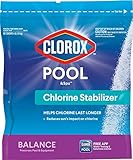
Useful for algae cleanup, cloudy water, high bather load, and weekly oxidation routines.
View on Amazon
Accurate readings make every chlorine, pH, alkalinity, calcium, and CYA dose safer.
View on Amazon
Helps prevent algae from returning after brushing, shocking, and correcting circulation.
View on AmazonGet exact pool chemical doses
Pool Chemical Calculator turns your test readings, pool volume, and target levels into exact treatment amounts for chlorine, pH, alkalinity, calcium, stabilizer, salt, and more.
Open the Pool Chemical Calculator app for iOS, Android, or web.