
Pool Pump Humming But Not Starting: What’s Wrong and How to Fix It
Quick Answer: A pool pump that hums but won’t start typically has a failed start capacitor, seized motor, stuck impeller, or electrical issue. The humming means power is reaching the motor, but something’s preventing the shaft from spinning. Turn off power immediately — a humming motor overheats fast and can burn out within minutes. Most homeowners can diagnose the problem in 15-20 minutes, and about 40% of these issues are DIY-fixable.
Quick answer
Pool Pump Humming But Not Starting: What's Wrong and How to Fix It: Quick Answer: A pool pump that hums but won't start typically has a failed start capacitor, seized motor, stuck impeller, or electrical issue. The humming means power is reaching the motor, but something's preventing.
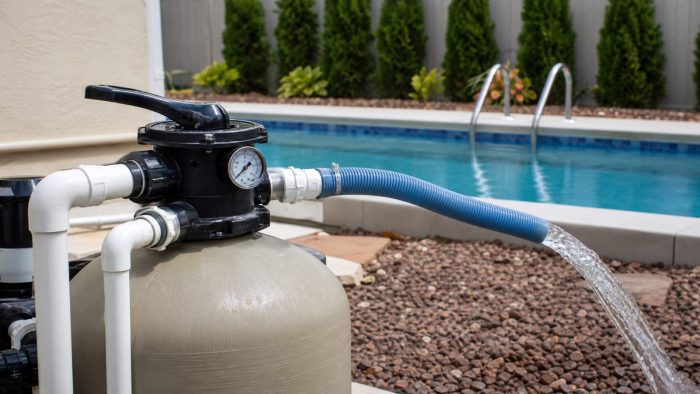
You walk out to your pool equipment pad, and something’s off. Your pool pump is humming — you can hear it trying — but the water isn’t moving. No whoosh of flow, no gurgling in the skimmer, just that persistent electrical hum that sounds like effort without results.
This is actually one of the most common pool pump problems, and the good news is that the humming tells you something useful: electricity is reaching your motor. That narrows down the diagnosis considerably. The bad news? Every second that motor hums without spinning, it’s generating heat with nowhere to go. Left running, a stuck motor can burn out in 5-10 minutes.
Let’s figure out what’s happening and whether you can fix it yourself.
Why Your Pool Pump Hums Without Starting
That humming sound is your motor’s electromagnetic field energizing the windings. In a healthy pump, this magnetic force spins the rotor, which turns the impeller, which moves your water. When you hear humming but see no movement, something in that chain is stuck, worn, or broken.
Here are the most likely culprits, ranked by frequency:
Failed Start Capacitor
The most common cause. Your pump motor uses a capacitor — a small cylindrical component usually mounted on top of or beside the motor housing — to provide the extra electrical “kick” needed to start spinning. Once running, the motor doesn’t need it anymore.
Capacitors fail over time, especially in hot climates or after power surges. A dead capacitor means the motor gets power but can’t overcome the initial inertia to start rotating.
Signs it’s the capacitor:
- Motor hums but won’t start on its own
- If you manually spin the shaft (power OFF!), the motor might start and run fine
- Capacitor looks bulged, cracked, or leaking oily residue
- Motor is 5+ years old and capacitor has never been replaced
Stuck or Jammed Impeller
Debris can jam your impeller — leaves, pine needles, pebbles, hair ties, even small toys that made it past the skimmer basket. The motor tries to spin, can’t overcome the obstruction, and just sits there humming and heating up.
This happens more often after storms, heavy leaf drop, or if your pump basket has a crack letting debris through. If your pump basket isn’t filling with water properly, debris may have bypassed normal filtration.
Seized Motor Bearings
Motor bearings allow the shaft to spin freely. When they wear out, corrode, or run dry of lubrication, the shaft binds up. You might notice:
- A grinding or squealing sound before it stopped working
- The motor feeling hot even when not running long
- Visible rust or corrosion on the motor shaft
Completely Seized Motor
If bearings go unaddressed, or if the motor overheated badly, the entire rotor can seize to the stator. This is usually terminal — the motor needs replacement.
Low Voltage Issues
Your pump motor needs adequate voltage to start. If voltage drops below about 10% of rated (so below 108V for a 120V motor, or below 216V for a 240V motor), the motor may hum but lack power to overcome starting inertia.
Causes include:
- Long extension cord runs (never do this for pool pumps)
- Corroded wire connections
- Undersized wiring
- Utility company voltage issues during peak demand
Tripped Thermal Overload
Most pump motors have an internal thermal overload switch. If the motor overheated previously, this switch trips and prevents restart until the motor cools — usually 30-60 minutes. You’ll hear humming as power reaches the motor, but the overload keeps it from engaging.
Step-by-Step Troubleshooting
⚠️ Critical Safety Warning
Turn off the circuit breaker before touching your pump internals. Not just the timer — the actual breaker. Pool pumps run on 120V or 240V, which can kill you. Verify power is off by trying to turn the pump on. No hum, no activity = safe to proceed.
Step 1: Turn Off Power and Let It Cool
If the motor has been humming for more than a few minutes, it’s hot. Give it 30-45 minutes to cool before touching anything. This also allows any thermal overload to reset.
Step 2: Check the Obvious First
While waiting:
- Look at the circuit breaker. Is it tripped? Reset it once. If it trips again immediately, stop — you have a short circuit requiring an electrician.
- Check the GFCI outlet if your pump is 120V. Press the reset button.
- Inspect the timer/relay. Sometimes contactors fail. You should hear a “click” when the timer engages.
Step 3: Try to Spin the Motor Shaft Manually
With power OFF and verified, remove the pump’s rear cover to access the motor shaft. You’ll usually see a flat spot or slot on the shaft end.
Try rotating the shaft by hand (use pliers if needed for grip).
If the shaft spins freely: Your capacitor is likely dead. The motor mechanically works but can’t self-start.
If the shaft is stuck or very hard to turn: You have a jammed impeller, bad bearings, or seized motor.
Step 4: Check for Impeller Obstructions
With power off:
- Remove the pump lid
- Remove the pump basket
- Reach into the volute (the chamber behind the basket) and feel for the impeller
- Try spinning the impeller with your fingers
- Feel for debris, hair wraps, or pebbles
If you find debris, remove it and try the shaft test again. Hair wrapped around the impeller shaft is extremely common — you may need needle-nose pliers to pull it all out.
Step 5: Inspect the Capacitor
The start capacitor is usually a black or silver cylinder mounted on the motor housing. Look for:
- Bulging top or bottom
- Cracks in the casing
- Oily residue leaking out
- Burn marks
If you have a multimeter, you can test the capacitor’s microfarad rating. The correct value is printed on the capacitor itself (typically 50-300 µF for pool pumps). A reading more than 10% off means replacement time.
Pool pump capacitors cost $15-40 and are one of the easiest pump repairs.
Step 6: Check for Voltage Issues
If you’re comfortable with electrical testing, use a multimeter to check voltage at the motor terminals while someone turns on the breaker. You should see 115-125V for a 120V motor or 230-250V for a 240V motor.
Low readings indicate wiring problems requiring an electrician.
What Homeowners Can DIY
You can handle these repairs yourself:
Replacing a Start Capacitor
Difficulty: Easy | Time: 20 minutes | Cost: $15-40
- Turn off breaker and verify power is off
- Take a photo of the wiring before disconnecting anything
- Note the capacitor’s µF rating and voltage rating
- Disconnect wires (usually push-on connectors)
- Remove mounting bracket or strap
- Install new capacitor with matching specs
- Reconnect wires exactly as photographed
- Test
Clearing Impeller Debris
Difficulty: Easy | Time: 15-30 minutes | Cost: $0
After clearing debris, consider adding skimmer socks to catch fine debris before it reaches your pump.
Replacing the Pump Lid O-Ring
If your lid has been off, inspect the O-ring. A dried or cracked O-ring causes air leaks that can contribute to pump problems. Use pool pump O-ring lubricant when reinstalling — never petroleum jelly, which degrades rubber.
When to Call a Professional
Call a pool technician or electrician if:
- The motor shaft won’t turn even with debris cleared — likely seized bearings or motor
- You see burn marks or smell burning — internal motor damage
- The breaker trips repeatedly — short circuit or ground fault
- Voltage readings are wrong — electrical system issues
- The motor runs briefly then shuts off — thermal overload or electrical problems
- You’re not comfortable working around 240V electricity — smart call
A new pool pump motor typically costs $150-400 depending on horsepower. Installation adds $100-200 for a pro. Sometimes replacing the entire pump makes more sense than just the motor, especially if your pump is 8+ years old.
Preventing Future Pump Problems
Once you’ve fixed this issue, keep your pump happy:
Empty baskets weekly. Both the skimmer basket and pump strainer basket. Full baskets restrict flow and make the motor work harder.
Run your pump during cooler hours. Motors last longer when ambient temperature is lower. Running midnight to 8 AM beats running noon to 8 PM.
Maintain proper water chemistry. Corrosive water (low pH, low alkalinity) damages pump seals and components over time. Use our pH calculator and chlorine calculator to stay balanced.
Know your pool’s volume. Accurate chemical dosing starts with knowing how many gallons you’re treating. Our pool volume calculator handles any shape.
Monitor run time based on weather. Hot weather and heavy use require more filtration. Our pool forecast tool helps you adjust run times based on conditions.
FAQ: Pool Pump Humming Issues
How long can a humming pool pump run before it burns out?
A stuck motor generating heat can burn out in as little as 5-10 minutes. The thermal overload should trip first (usually within 2-3 minutes), but don’t count on it. Turn off power as soon as you notice the problem.
Can I start my pump manually to get it running?
Sometimes, yes — but only as a diagnostic step. With power OFF, if you can spin the shaft and then turn power on, a working motor will often catch and run. This confirms the capacitor is bad. But this isn’t a permanent solution — replace the capacitor.
My pump started after I cleared debris. Should I still call someone?
Not necessarily. If it runs normally, sounds normal, and maintains prime, you likely just had an obstruction. Monitor it for a few days. If it happens again, investigate why debris is getting past your baskets.
Why does my pump hum only on certain timer cycles?
This often indicates a relay or contactor problem in your timer box. The relay contacts can corrode or stick, providing inconsistent power. Relay replacement is straightforward for anyone comfortable with basic electrical work.
Can a bad impeller cause humming without starting?
A cracked or damaged impeller usually causes noise and reduced flow after the pump starts, not humming without starting. But if impeller damage is severe enough to bind against the volute housing, it could prevent startup. This requires pump disassembly to diagnose.
Get Your Pool Chemistry Right
A working pump is just the first step in pool care. Balanced chemistry keeps your water clear and your equipment lasting longer.
Download the Pool Calculator app for instant chemical dosing, personalized recommendations, and maintenance reminders based on your specific pool.
As an Amazon Associate, Pool Chemical Calculator earns from qualifying purchases. Accurate readings make every chlorine, pH, alkalinity, calcium, and CYA dose safer. Raises calcium hardness to reduce corrosive water risk in plaster, concrete, and equipment. Raises free chlorine quickly without adding stabilizer, which is useful when CYA is already high.
Recommended pool supplies


Get exact pool chemical doses
Pool Chemical Calculator turns your test readings, pool volume, and target levels into exact treatment amounts for chlorine, pH, alkalinity, calcium, stabilizer, salt, and more.
Open the Pool Chemical Calculator app for iOS, Android, or web.